
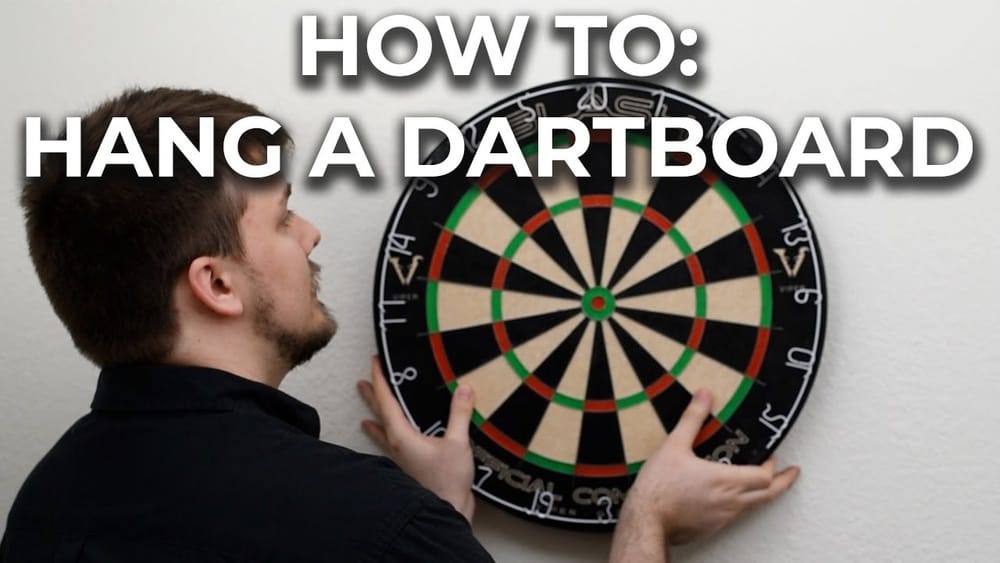
Mounting a dartboard is more than just hanging a circle on the wall. For many, it’s the first step to enjoying darts at home or in a club. But doing it wrong can lead to damage, poor gameplay, or even injury.
If you want accurate play and a safe setup, you need to know exactly how to mount a dartboard correctly. This guide covers every detail, from choosing the right space to solving common problems. Whether you’re a beginner or setting up a professional board, you’ll find everything you need here.
Why Proper Dartboard Mounting Matters
Darts is a game of precision. Even a small mistake in mounting can change your score and the way darts stick in the board. A dartboard mounted too high or too low changes the challenge. A loose board can wobble and ruin your aim.
Mounting on the wrong surface can damage your wall or board. Proper installation protects your home, improves your game, and even prevents accidents.
Choosing The Best Location For Your Dartboard
Before you hang anything, think carefully about where your dartboard will go. The right spot is key for safety and fun.
- Space Requirements: You need enough room for both the board and the throw line, called the oche. Standard distance from the board’s face to the throw line is 7 feet 9.25 inches (237 cm). The area behind the oche should be clear of obstacles.
- Wall Material: Dartboards are heavy and need a solid surface. Drywall alone is weak and can let mounting screws loosen over time. Brick, concrete, or thick plywood are best. Avoid thin or hollow walls.
- Lighting and Environment: Good lighting helps you see the board and your scores. Natural light is great, but avoid direct sunlight that can fade the board. Stay away from damp or humid areas, which can damage the board.
- Noise and Safety: Dartboards can make noise. If you live with others, avoid mounting on shared walls. Also, never place a dartboard near walkways or where people might pass behind the thrower.
Practical tip: Use painter’s tape to mark the area and test the space before drilling holes. Walk through the area to check for hidden dangers, like low ceilings or furniture.

Credit: www.dartscorner.co.uk
Dartboard Types And Mounting Differences
Not all dartboards are the same. The way you mount them can depend on the type.
Bristle Dartboards
The most common board for steel-tip darts is the bristle dartboard, made from compressed sisal fibers. These are durable and self-healing.
- Mounting: Usually hung with a center screw and rear bracket. Needs to be flush and stable.
Electronic Dartboards
These are for soft-tip darts. They use plastic holes to register scores automatically.
- Mounting: Often lighter than bristle boards but need to be plugged in. Some require extra screws or brackets for stability.
Magnetic And Kids’ Boards
Magnetic boards are safer for children.
- Mounting: Usually lighter, may use adhesive strips or hooks.
Key difference: Bristle and electronic boards need sturdier mounting and exact height; children’s boards are more flexible.
Tools And Materials You Need
Before starting, gather all the items needed for a safe, accurate setup.
Essential tools:
- Measuring tape (at least 8 feet)
- Pencil or marker
- Drill (with masonry bit for brick/concrete)
- Screwdriver (manual or electric)
- Level (bubble or laser)
- Stud finder (for drywall)
Mounting hardware:
- Wall bracket (comes with most boards)
- Center screw (typically 1.5–2 inches)
- Wall anchors (for drywall)
- Bumper pads (to keep the board stable)
- Screws or bolts (for backing board or cabinet)
Optional:
- Dartboard cabinet or backboard (protects wall)
- Protective mat or rug (protects floor and darts)
- LED or spotlight (for better visibility)
Pro tip: Save all packaging and instructions from your dartboard. Some brands have unique brackets or screws.
Measuring For Regulation Height And Distance
If you want to play darts by the official rules, you need to mount your board at the right height and measure the throw line exactly.
Official Height
The bullseye (the center red circle) must be 5 feet 8 inches (173 cm) from the floor. This is the international standard for both home and tournament play.
Throw Line (oche) Distance
- From the face of the dartboard (not the wall) to the oche: 7 feet 9.25 inches (237 cm)
- For wheelchair players: 4 feet 5.5 inches (136 cm)
- Diagonal (floor to bullseye): 9 feet 7.5 inches (293.4 cm)
How To Measure
- Use a tape measure to mark 5’8” up from the floor. Mark the spot where the bullseye will be.
- From the wall, measure 7’9.25” out and mark the oche.
- Double-check with a level to ensure your marks are straight.
Common mistake: People often measure from the bottom of the board or the wall, not the bullseye or board’s face. Always measure from the bullseye and the face of the board.
Step-by-step Guide: Mounting A Bristle Dartboard
Let’s walk through the process for a standard bristle board, as this is the most common setup for home players.
Step 1: Mark The Bullseye Position
- Use your measuring tape and pencil to mark the spot on the wall where the bullseye should be (5’8” from the floor).
- Use a level to ensure your mark is not tilted.
Step 2: Install The Mounting Bracket
Most bristle boards come with a U-shaped mounting bracket.
- Position the bracket so its center is at your bullseye mark.
- Use a pencil to mark the screw holes.
- Drill pilot holes (use a masonry bit for brick/concrete).
- If mounting on drywall, insert wall anchors for a secure hold.
- Screw the bracket to the wall firmly. Make sure it is level.
Step 3: Prepare The Dartboard
- On the back of the board, insert the center screw (usually comes with your board).
- Add bumper pads if provided; these help prevent board wobble and protect the wall.
Step 4: Hang The Dartboard
- Lift the board and carefully fit the center screw into the wall bracket.
- Check that the board sits flush and does not wobble. Adjust bumper pads if needed.
Step 5: Align The 20 Segment
- The 20 segment should be at the top, centered vertically.
- Use a level to check alignment.
- Most boards have small adjustment holes to fix minor tilts.
Step 6: Mark The Throw Line (oche)
- From the wall, measure out 7’9.25” and use tape or a marker to set your throw line.
- You can use a raised oche, but tape is fine for casual games.
Step 7: Add Wall And Floor Protection
- Place a backboard or dartboard cabinet behind your board to catch stray darts.
- Lay a mat or rug under the board to protect floors and darts.
Expert tip: If you’re using a cabinet, make sure it’s centered at the same height as your bullseye.

Credit: www.dartscorner.co.uk
Special Cases: Mounting On Different Surfaces
Not all homes have brick or solid wood walls. Here’s how to adapt your setup.
Drywall
Drywall is soft and can crumble under the weight of a dartboard. Always use wall anchors or attach a plywood backing board to spread the weight.
Steps:
- Locate a wall stud with a stud finder.
- If possible, screw your bracket directly into the stud.
- If not, use heavy-duty wall anchors.
- Consider mounting a 24” x 24” plywood panel to the wall and attaching the dartboard bracket to that.
Brick Or Concrete
These surfaces are ideal for dartboards but require the right tools.
Steps:
- Use a masonry bit to drill holes for the bracket.
- Insert masonry anchors before screwing in the bracket.
Wood Paneling
Wood is sturdy but can be damaged by repeated dart impacts. Use a backboard or cabinet.
Pro insight: A 1-inch thick cork or felt backboard protects both your wall and darts.
Mounting An Electronic Dartboard
Electronic boards are lighter but need to be plugged in and sometimes have extra mounting needs.
- Find a wall near an outlet.
- Use the provided mounting template (many brands include this).
- Drill pilot holes for screws or anchors.
- Hang the board on screws or a bracket.
- Plug in and test.
Non-obvious insight: Some electronic boards have built-in leveling features or require batteries. Always check the manual before mounting.

Credit: www.youtube.com
Using A Dartboard Cabinet Or Backboard
A cabinet or backboard protects your wall and can store darts and accessories.
Benefits:
- Prevents wall damage from stray darts
- Provides a larger target area for beginners
- Offers storage for darts and chalk
Mounting tips:
- Measure the center of the cabinet so the bullseye sits at 5’8” from the floor
- Secure the cabinet with strong screws or anchors
- Make sure both doors open fully without obstruction
Common Mistakes To Avoid
Many new players make errors when mounting their dartboard. Here are some to watch for:
- Wrong Height: Mounting too high or too low ruins the game and can cause injury.
- Measuring from the Wall Face: Always measure from the board’s face, not the wall.
- Loose Mounting: A wobbly board affects scoring and can fall.
- Ignoring Wall Type: Weak walls need extra support.
- No Wall Protection: Stray darts quickly damage paint and drywall.
- Bad Lighting: Poor visibility leads to eye strain and missed shots.
Advanced tip: If your board keeps coming loose, check that all screws are tight and consider using larger wall anchors.
Data Table: Regulation Dartboard Setup
For quick reference, here are the key measurements you need:
| Measurement | Imperial | Metric |
|---|---|---|
| Bullseye Height (from floor) | 5 ft 8 in | 173 cm |
| Oche Distance (board face to line) | 7 ft 9.25 in | 237 cm |
| Diagonal (floor to bullseye) | 9 ft 7.5 in | 293.4 cm |
| Wheelchair Oche Distance | 4 ft 5.5 in | 136 cm |
Comparison Table: Bristle Vs Electronic Dartboards
It’s helpful to compare main types of dartboards before mounting.
| Feature | Bristle Dartboard | Electronic Dartboard |
|---|---|---|
| Weight | Heavy (10–12 lbs) | Lighter (5–8 lbs) |
| Mounting Needs | Strong bracket, wall anchors | Template, screws, power source |
| Wall Protection | Highly recommended | Recommended |
| For Steel-Tip Darts | Yes | No |
| Scorekeeping | Manual | Automatic |
Table: Recommended Backboard Materials
Protecting your wall is important, especially for beginners. Here are common backboard materials and their pros and cons.
| Material | Pros | Cons |
|---|---|---|
| Cork | Affordable, easy to cut, good dart hold | Wears out over time, less stylish |
| Felt | Attractive, easy to install, soft | Not as durable, absorbs moisture |
| Plywood | Very sturdy, long-lasting | Needs painting or cover, can damage darts |
| Recycled Carpet | Cheap, soft, eco-friendly | Can look messy, holds dust |
Tips For Long-term Dartboard Care
Mounting your dartboard is just the start. Keeping it in top condition helps it last longer and keeps your play fair.
- Rotate the board: Many boards let you rotate the number ring. This spreads wear and keeps the board from getting grooved in one area.
- Keep dry: Moisture ruins sisal fibers. Never mount in a basement unless it’s dry.
- Clean gently: Use a soft brush to remove dust. Never use water or harsh cleaners.
- Check screws: Every few months, make sure all hardware is tight.
- Avoid direct sunlight: UV light fades the board and weakens fibers.
Hidden issue: Many players forget to rotate their board. This can make some numbers (like 20 and 1) wear out much faster than others, affecting scores.
Troubleshooting: Solving Common Mounting Problems
Even with care, you may face problems. Here’s how to fix them:
- Board wobbles: Add or adjust bumper pads, and recheck screws.
- Board keeps falling: Use longer or thicker wall anchors.
- Wall damage: Add a larger backboard or move to a sturdier wall.
- Missed oche alignment: Re-measure from the face of the board, not the wall.
- Poor lighting: Add a clip-on dartboard light or reposition lamps.
Practical example: If your bracket is loose in drywall, screw a 2’ x 2’ plywood panel to the studs, then mount the bracket to the plywood.
Safety Tips For Setting Up And Using Your Dartboard
Darts are sharp and accidents can happen if you’re not careful.
- Keep area clear: No one should walk between the thrower and the board.
- Supervise children: Kids should play only with soft-tip or magnetic darts.
- Store darts safely: Use a case or cabinet.
- Check for loose darts: Remove any darts from the floor before playing.
- Wear shoes: Bare feet can get hurt by dropped darts.
Advanced Mounting: For Clubs And Heavy Use
If you’re setting up a board in a club, bar, or for tournaments, take extra steps.
- Use a larger backboard: Clubs often use 4’ x 4’ or bigger panels.
- Mount multiple boards: Leave at least 5 feet between centers for safety.
- Install permanent oches: Raised wooden or rubber strips prevent cheating.
- Lockable cabinets: Prevent theft and damage when the board isn’t in use.
How To Upgrade Your Dartboard Setup
After you mount your first board, you might want to improve your area.
- Add scoreboard: Chalkboards or digital scoreboards help keep track of games.
- Upgrade lighting: LED ring lights give even, shadow-free illumination.
- Install surround: Foam surrounds catch stray darts and look professional.
- Soundproofing: Add foam or cork panels behind the backboard to reduce noise.
Fact: Top tournament venues use special lighting rigs and soundproofing to create the best playing experience. You don’t need all this at home, but a few small upgrades can make a big difference.
Best Practices For Consistent Play
Once your dartboard is mounted, following a few habits ensures every game is fair.
- Always check board height and oche distance before a game, especially if the board has been bumped.
- Rotate your board every month to spread out wear.
- Keep your darts sharp and clean to prevent damage to the board and improve sticking.
- Invite feedback from friends or fellow players on your setup.
- Practice regularly with the same setup to build muscle memory.
Where To Find More Information
For official rules and more technical advice, check the World Darts Federation or Professional Darts Corporation sites. They offer downloadable guides and diagrams. A great resource for home players is the Wikipedia Darts Article, which covers history, scoring, and advanced topics.
Frequently Asked Questions
What Is The Correct Height For A Dartboard?
The bullseye should be exactly 5 feet 8 inches (173 cm) from the floor. This is the standard for all official games, both in homes and clubs.
How Far Should You Stand From A Dartboard?
The throw line, or oche, should be 7 feet 9.25 inches (237 cm) from the face of the dartboard. Always measure from the face, not the wall.
Can I Mount A Dartboard On Drywall?
Yes, but you need to use heavy-duty wall anchors or attach a plywood backing board to spread the weight. Mounting directly to drywall is risky and may not hold over time.
Do I Need A Backboard Or Cabinet?
You don’t have to, but a backboard or cabinet protects your wall and makes your setup look neater. It’s especially helpful for beginners and children.
How Do I Fix A Wobbly Dartboard?
Check that all screws and anchors are tight. Adjust or add bumper pads behind the board. If the problem continues, use a larger backing board or switch to a sturdier wall.
Mounting a dartboard the right way makes every game more fun, keeps your home safe, and helps you improve your skills. With careful setup and regular checks, you’ll enjoy many hours of play. Whether you’re aiming for the bullseye or just having fun with friends, a well-mounted board is where every great darts story starts.