
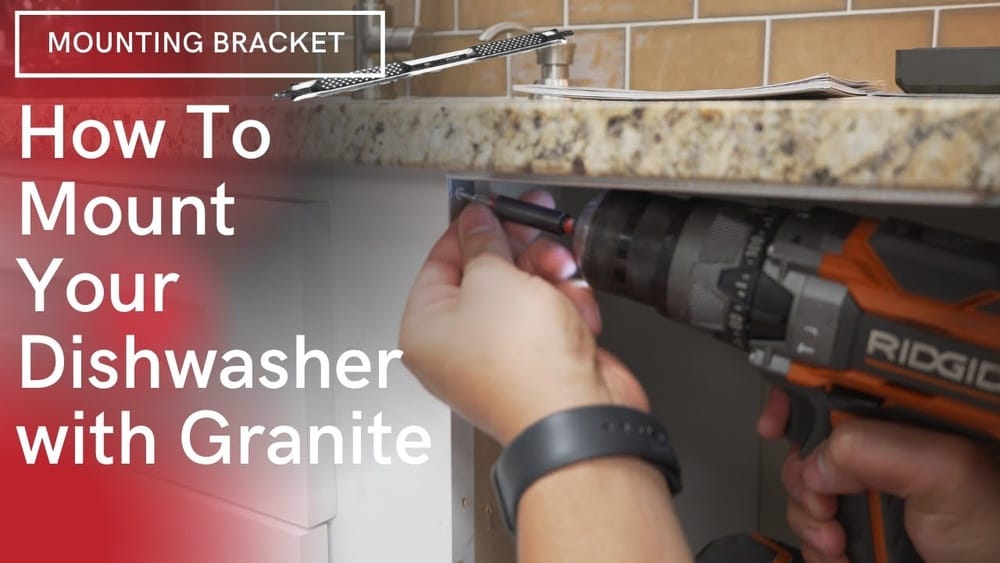
Mounting a dishwasher to a granite countertop is not the same as securing it to wood or laminate. Granite is strong but can crack if handled incorrectly. Many homeowners discover this challenge only after they buy a new dishwasher or upgrade their kitchen.
The good news is that you can mount your dishwasher to a granite countertop safely with the right tools, materials, and steps. This guide will walk you through everything you need to know, making the process clear—even if you are new to DIY home improvement.
You’ll learn why mounting to granite needs special care, what materials work best, and how to avoid common mistakes that can cost you time and money. We’ll also cover practical tips for different dishwasher types and kitchen layouts. By the end, you’ll have the confidence to complete the job or know exactly what to expect if you hire a professional.
Why Mounting To Granite Is Different
Granite countertops are popular for their beauty and durability. However, granite is much less flexible than wood. It’s also more brittle, especially at the edges. Drilling or screwing directly into granite can cause cracks or chips. Most dishwashers are designed for top-mounting (attaching brackets to the underside of the countertop), but with granite, you need special methods to avoid damaging the stone.
Many people try to use regular screws or glue, but these methods often fail or cause costly repairs. Some even skip securing the dishwasher, which leads to noise, leaks, and movement during cycles. The right mounting method will keep your dishwasher steady without harming your countertop.
Tools And Materials You’ll Need
Gathering the right tools and materials before you start makes the installation smoother. Here’s what you’ll typically need:
- Mounting brackets (side-mount or under-mount, specifically for granite)
- Adhesive mounting kits (epoxy or industrial-strength glue if required)
- Measuring tape
- Screwdriver (Phillips or flathead, depending on bracket type)
- Drill (only if side cabinets require pilot holes)
- Level
- Clamps (optional, for holding brackets while adhesive sets)
- Protective gloves and safety glasses
Some dishwashers come with granite-compatible kits. If yours did not, check with your appliance dealer or buy a universal kit. Do not use regular wood screws or brackets not rated for stone.
Comparison: Mounting Methods For Different Countertop Materials
Below is a comparison of dishwasher mounting approaches for various countertop materials:
| Countertop Material | Mounting Method | Risk Level |
|---|---|---|
| Wood/Laminate | Top-mount screws directly into the countertop | Low |
| Granite/Stone | Side-mount to cabinets or adhesive brackets under the countertop | Medium-High (if drilled) |
| Quartz/Engineered Stone | Same as granite; avoid direct drilling | Medium-High |
| Solid Surface (Corian) | Special screws/brackets; check manufacturer | Medium |

Credit: www.youtube.com
Understanding Dishwasher Mounting Brackets
Mounting brackets are small metal pieces that secure the dishwasher to the cabinet or countertop. For granite countertops, you’ll usually use one of two types:
- Side-mount brackets: Attach to the inside of the wooden cabinets on either side of the dishwasher, not the countertop itself.
- Under-mount adhesive brackets: Glue to the underside of the granite using a strong adhesive, then fasten the dishwasher to these brackets.
Some dishwashers can use both methods. Side-mounting is usually safest, but adhesive under-mounts are useful if your cabinets are flush or there’s no wood to drill into. Always check your dishwasher’s manual for compatible mounting methods.
Example: When To Use Each Bracket
- If your cabinets are solid wood and extend past the dishwasher cavity, side-mount brackets are easiest.
- If there’s no wooden cabinet frame beside the dishwasher (like in some modern kitchens), adhesive under-mount brackets are better.
Step-by-step Guide: Mounting A Dishwasher To Granite
Let’s break down the steps for a secure and safe installation. These instructions assume you already have your dishwasher and granite countertop installed.
1. Prepare The Area
Before you start, turn off the power and water supply to your dishwasher. Slide the dishwasher out a few inches if it’s already in place, or leave enough space to work if installing a new one. Clear any items under the sink or around the area.
Check that your dishwasher opening is square and level. Use a level tool on the floor and the countertop above. If the floor is uneven, adjust the dishwasher’s legs so it sits flat.
Pro tip: Many beginners forget to check for pipes, electrical wires, or other obstacles under the sink. Take a flashlight and inspect before you drill or glue anything.
2. Choose The Right Mounting Method
Decide between side-mount or under-mount adhesive brackets based on your cabinet and countertop setup. If you’re unsure, side-mounting is usually less risky for the granite.
Side-mount Brackets
- Find the side mounting holes near the top front edges of the dishwasher.
- Dry-fit the dishwasher in place to see where the brackets will line up with the inside of the cabinets.
- Mark the spots lightly with a pencil.
Under-mount Adhesive Brackets
- Clean the underside of the granite where you’ll attach the brackets.
- Dry-fit the brackets without adhesive first, making sure they sit flush and align with the dishwasher.
3. Install The Brackets
For Side-mount Brackets
- Position the brackets over the mounting holes on the dishwasher.
- Carefully slide the dishwasher into the opening, making sure not to pinch hoses or wires.
- With the dishwasher almost flush with the cabinets, use a pencil to mark the spots on the inside of each cabinet.
- Remove the dishwasher slightly.
- Use a drill to make small pilot holes in the cabinets if they are made of wood (never drill into granite).
- Attach the brackets to the cabinets using the screws provided.
- Push the dishwasher back into place and secure the brackets to the dishwasher frame.
For Under-mount Adhesive Brackets
- Apply the recommended epoxy or adhesive to the flat part of each bracket.
- Press the bracket firmly against the cleaned underside of the granite. Hold in place for the adhesive’s set time (check label, usually 2-5 minutes).
- Some adhesives require clamping while they cure. If so, use a clamp to hold each bracket in place for the time specified (often 1-24 hours).
- Once the adhesive is cured, slide the dishwasher into place and fasten it to the brackets with screws.
Non-obvious tip: Many adhesives need a clean, dust-free surface to bond well. Wipe the underside of the granite with isopropyl alcohol for best results.
4. Secure And Test The Dishwasher
With the brackets installed, check that the dishwasher is still level and that the door opens and closes smoothly. If the dishwasher rocks or tilts, adjust the legs until it’s steady.
Reconnect the water supply and power. Run a short cycle while checking for leaks or movement. Watch the dishwasher as it fills and drains—this is when movement is most likely.
If you see any shifting or hear rattling, stop the cycle and check the brackets. A common mistake is not waiting long enough for adhesive to cure—always follow the product’s instructions.
Common Mistakes To Avoid
Mounting a dishwasher to granite is not difficult, but small errors can cause big problems. Here are mistakes to watch out for:
- Drilling into granite: Never drill or screw directly into granite unless you have specialized tools and experience. Cracks or chips are common results.
- Using regular wood glue: Only use adhesives rated for stone and metal. Wood glue will not hold the brackets securely.
- Skipping the mounting: Some people think the dishwasher’s weight holds it in place. During cycles, the machine can move, causing leaks or damage to pipes.
- Not leveling the dishwasher: An uneven dishwasher will not drain properly and may leak.
- Forgetting to clean granite before gluing: Any dust or grease will weaken the adhesive bond.
Comparing Dishwasher Mounting Kits
Not all kits are equal. Here’s a comparison of popular mounting kit types:
| Kit Type | Best For | Installation Skill | Estimated Cost |
|---|---|---|---|
| Universal Side-Mount Kit | Wood cabinets next to dishwasher | Beginner | $10–$20 |
| Adhesive Under-Mount Kit | Granite or quartz countertops | Intermediate | $15–$30 |
| Custom Manufacturer Kit | Specific dishwasher models | Intermediate-Advanced | $20–$40 |
Non-obvious insight: Some manufacturers void warranties if you use non-approved mounting kits. Always check your manual or call support before buying a universal kit.
Special Cases: Dealing With Difficult Kitchen Layouts
Some kitchens have obstacles that make mounting harder. Here’s how to handle common situations:
No Adjacent Cabinets
If your dishwasher is next to a refrigerator or open space, there may be no wood to attach side brackets. Use adhesive under-mount brackets or contact a professional to create a custom support.
Flush Cabinets
Modern kitchens sometimes have flush cabinets with no lip or frame. In these cases, use adhesive under-mount brackets or have a carpenter install a wood strip inside the cabinet for side-mounting.
Tight Spaces
When space is limited, remove the dishwasher’s front panel to access mounting points more easily. Keep all screws and panels safe for reassembly.
Maintenance Tips After Installation
Securing your dishwasher is not the end of the story. Good maintenance keeps your appliance working well and your granite safe.
- Check brackets every 6 months: Make sure screws are tight and brackets are secure. Adhesive brackets may loosen over time, especially with temperature changes.
- Look for leaks: Small leaks can damage wood cabinets and loosen brackets.
- Clean the area: Dust and grime can build up around the dishwasher edges. Wipe these areas during regular kitchen cleaning.
- Listen for new noises: Rattling may mean a bracket has come loose. Fix it before the dishwasher shifts or leaks.
Pro tip: Write the date of installation on a sticker inside the cabinet. This helps you remember when to check the brackets and can be helpful for warranty claims.
When To Call A Professional
Most homeowners can mount a dishwasher to granite with patience and the right tools. But call a professional if you:
- Are unsure about adhesives or power tools
- Have a high-end granite countertop (repairs are expensive if damaged)
- Notice cracks or chips near the mounting area
- Have a custom or built-in dishwasher model
A licensed installer can complete the job quickly and safely. The extra cost is often worth it to protect your countertop.
Cost Breakdown: Diy Vs. Professional Installation
Here’s a quick look at typical costs:
| Installation Type | Estimated Cost | What’s Included |
|---|---|---|
| DIY with Side-Mount Kit | $10–$20 | Brackets, screws, your own tools |
| DIY with Adhesive Under-Mount Kit | $15–$30 | Brackets, adhesive, your own tools |
| Professional Installation | $100–$250 | All labor, materials, warranty |
Professional installation may be required by your appliance warranty, especially for high-end models. Always check before you start.
Safety Tips For Mounting To Granite
Working with adhesives and dishwashers can be safe if you follow a few simple rules:
- Wear safety glasses and gloves when applying adhesives.
- Turn off power and water at the breaker and valve before you move or connect the dishwasher.
- Work with a partner when lifting the dishwasher. They are heavy and awkward to move alone.
- Read all labels on adhesives. Some emit strong fumes—use in a well-ventilated area.
Environmental Considerations
Granite countertops last a long time, and so do dishwashers. Mounting with removable brackets is better for the environment because you can replace the dishwasher without damaging the granite. Avoid using permanent adhesives unless necessary.
If you ever replace your dishwasher, clean off old adhesive carefully and check the granite for chips before installing a new unit.
Real-world Example: Successful Mounting
Let’s look at a real-world scenario. A homeowner in Texas had a new granite countertop installed and tried to mount her dishwasher with regular top-mount brackets. The granite chipped, and repairs cost $350. After that, she used adhesive under-mount brackets designed for stone.
The second installation went smoothly, and the dishwasher stayed secure for years.
The lesson: using the correct brackets and adhesives for granite prevents expensive mistakes.
Recommended Brands For Mounting Kits
Some reliable brands for dishwasher mounting kits compatible with granite countertops include:
- EZ Dishwasher Bracket: Good for adhesive under-mounting.
- Whirlpool/Maytag OEM Kits: For specific dishwasher models.
- Frigidaire/GE Universal Kits: Often include both side and under-mount options.
Always match the kit to your dishwasher brand and model whenever possible.

Credit: www.amazon.com
How To Remove And Remount A Dishwasher
If you need to replace or repair your dishwasher, here’s how to remove and remount it safely:
- Turn off power and water.
- Disconnect the water line and drain hose.
- Remove screws from the brackets (side or under-mount).
- Slide the dishwasher out gently. Don’t force it—check for hidden screws or clips.
- Clean old adhesive with a plastic scraper if using under-mount brackets.
- For remounting, follow the same steps as above with new brackets or adhesive.
Pro tip: Take photos of the mounting before removal. This helps you remember bracket placement and wiring.
Frequently Asked Questions
What If My Granite Countertop Already Has Holes From A Previous Dishwasher?
If your granite has existing mounting holes, do not reuse them unless your new dishwasher’s brackets align perfectly. Using old holes can weaken the granite and lead to cracks. Instead, use side-mount brackets if possible, or adhesive under-mount brackets that do not require drilling. Consult a stone specialist if you notice chips or cracks.
Can I Use Double-sided Tape Instead Of Adhesive For Under-mount Brackets?
No, double-sided tape does not provide enough strength to hold a dishwasher in place. It can fail due to heat, moisture, and vibration. Use only epoxy or adhesive specifically rated for metal-to-stone applications.
How Long Does The Adhesive Need To Cure Before I Use The Dishwasher?
Cure time depends on the adhesive brand. Most require at least 24 hours to reach full strength, even if they feel dry after a few hours. Always check the manufacturer’s instructions, and avoid using the dishwasher until the adhesive is completely set.
Is It Safe To Mount A Dishwasher To A Quartz Countertop Using The Same Method As Granite?
Yes, quartz countertops are similar to granite in terms of hardness and risk of cracking. Use side-mount brackets or adhesive under-mount brackets—never drill directly into quartz. Check with your countertop or dishwasher manufacturer for recommendations.

Credit: www.amazon.com
Where Can I Find More Information About Dishwasher Installation And Countertop Care?
For more details on dishwasher installation and caring for granite or stone countertops, visit the Family Handyman website, which offers step-by-step guides and tips from professionals.
Mounting a dishwasher to a granite countertop may feel challenging at first, but with the right tools, knowledge, and careful steps, you can achieve a secure and lasting installation. Take your time, use the correct brackets and adhesives, and protect your beautiful granite for years to come.
If in doubt, don’t hesitate to get help from a professional—your kitchen is worth it.