
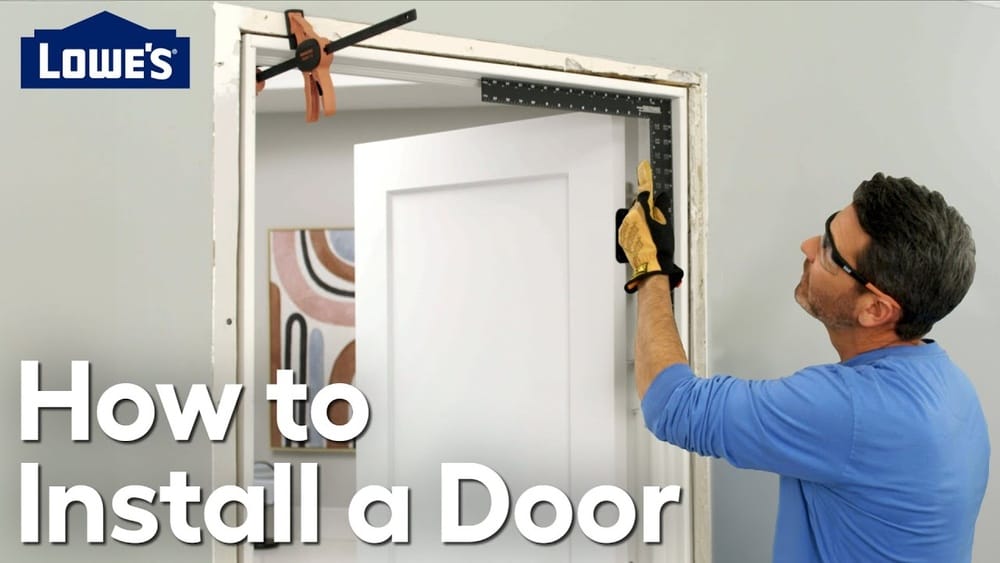
Mounting a door is a practical skill that can make a big difference in your home. Whether you’re replacing an old door, installing a new one, or simply want to improve how your current door works, knowing how to do it right saves both time and money.
Many people think mounting a door is complicated, but with careful steps and attention, almost anyone can do it. This article will guide you through the full process, from choosing the right door to the final adjustments, using clear language and detailed instructions.
You will learn not just the basic steps but also some insights that most beginners miss—like how small measurement errors can cause big problems and the importance of checking the floor level before starting. You’ll also find helpful tables comparing different door types and hinge options to help you make better choices.
By the end, you’ll have the confidence and knowledge to mount a door that works smoothly and looks professional.
Understanding Door Types And Frames
Before you start, it’s important to know the different door types and frames. The kind of door you choose affects the tools and steps you’ll need.
Main Types Of Doors
- Hinged doors – The most common type, found in most homes.
- Sliding doors – Move on a track, good for saving space.
- French doors – Two doors opening outwards or inwards, often with glass panels.
- Pocket doors – Slide into the wall cavity.
- Bi-fold doors – Fold in sections, used in closets and pantries.
Door Frame Basics
A door frame is the structure that supports the door. It usually includes the side jambs (vertical parts), the head jamb (top), and the threshold (bottom, for exterior doors).
Common Frame Materials
- Wood – Traditional, easy to work with, but can warp.
- Metal – Strong and durable, used in commercial buildings.
- Composite – Made from engineered materials, resists moisture.
Comparison Of Common Interior Doors
Here’s a quick look at popular interior doors to help you decide what fits your needs:
| Door Type | Cost (USD) | Ease of Installation | Best For |
|---|---|---|---|
| Hollow Core | $30–$100 | Easy | Bedrooms, closets |
| Solid Wood | $150–$400 | Medium | Entryways, premium rooms |
| Panel | $70–$250 | Medium | Living rooms, dining rooms |
| Flush | $50–$150 | Easy | Modern interiors |
Choosing the right door is the first step to a successful installation.
Tools And Materials You Need
Having the right tools and materials makes mounting a door much easier. Here’s what you’ll need for a standard hinged door:
Essential Tools
- Measuring tape – For accurate measurements.
- Level – To check if the door and frame are straight.
- Hammer and nails – For securing the frame (if needed).
- Screwdriver or drill – For hinges and hardware.
- Chisel – For making hinge recesses.
- Utility knife – For small adjustments.
- Pencil – For marking measurements.
- Shims – Thin pieces of wood or plastic for adjusting the frame.
- Wood glue (optional) – For extra strength.
- Saw – If you need to trim the door.
Materials
- The door (pre-hung or slab).
- Door frame kit (if not pre-installed).
- Hinges (usually 2 or 3 per door).
- Screws (for hinges and strike plate).
- Door hardware (handle, lock, latch).
- Paint or finish (optional, for appearance).
Having everything ready before you start prevents delays and mistakes.
Preparing The Door And Frame
Preparation is crucial. Many beginners rush this part, but careful prep saves trouble later.
Measuring The Door Opening
- Width: Measure the opening at the top, middle, and bottom. Use the smallest measurement.
- Height: Measure both sides.
- Depth: Check the thickness of the wall.
It’s important that your door is slightly smaller than the opening. A good fit is about 1/8 inch gap on the sides and top, and 1/2 inch at the bottom (for carpet or floor movement).
Example
If your frame opening is 30 inches wide and 80 inches tall, your door should be about 29 3/4 inches by 79 3/4 inches.
Checking The Floor Level
Place a level across the doorway. If the floor is uneven, you may need to trim the bottom of the door or add a threshold for a good seal.
Trimming The Door (if Needed)
If your door is too big, use a saw to trim it. Cut small amounts from the bottom or sides. Always sand the edges afterward for a smooth finish.
Marking Hinge Placement
Most doors use two or three hinges. Standard placement:
- Top hinge: 7 inches from the top of the door
- Bottom hinge: 11 inches from the bottom
- Middle hinge (if used): Centered between top and bottom
Mark the spots with a pencil before you start cutting.
Installing Hinges On The Door
Proper hinge installation is key for smooth movement.
Cutting Hinge Mortises
A mortise is a shallow cut in the door edge where the hinge sits.
- Place the hinge on the marked spot.
- Trace around the hinge with a pencil.
- Use a chisel to cut out the traced area, about 1/8 inch deep.
- Test the hinge in the recess; it should be flush with the door surface.
Attaching The Hinges
- Hold the hinge in place and drill pilot holes for the screws (to prevent splitting).
- Screw the hinge into the door using a screwdriver or drill.
- Repeat for each hinge.
Tip: Use all the screws provided with the hinge for maximum strength.
Setting The Door Frame
Mounting a door can be much easier if you use a pre-hung door (door already attached to the frame). If you have a slab door (just the door), you’ll need to install the frame separately.
Fitting The Frame
- Place the frame in the opening.
- Use a level to check if the frame is plumb (vertical) on both sides.
- Insert shims behind the frame to adjust its position. Place shims near the hinge spots and latch side.
- When the frame is straight and centered, nail or screw it into the wall studs.
Non-obvious insight: Many people forget to check if the frame is square at the corners. Measure diagonally from corner to corner—the measurements should match.
Securing The Frame
- Secure the frame with 2.5- or 3-inch screws through the shims and into the wall studs.
- Cut off any shim ends sticking out using a utility knife.
Hanging The Door
With the frame ready, you can now hang the door.
Attaching The Door To The Frame
- Hold the door up to the frame. It’s easier with two people.
- Align the hinges on the door with the hinge recesses on the frame.
- Insert the hinge pins (if using removable pin hinges) or screw the hinges to the frame.
- Test the door—open and close it a few times. There should be an even gap all around.
Tip: If the door rubs at the top or side, adjust the frame or add/remove shims.
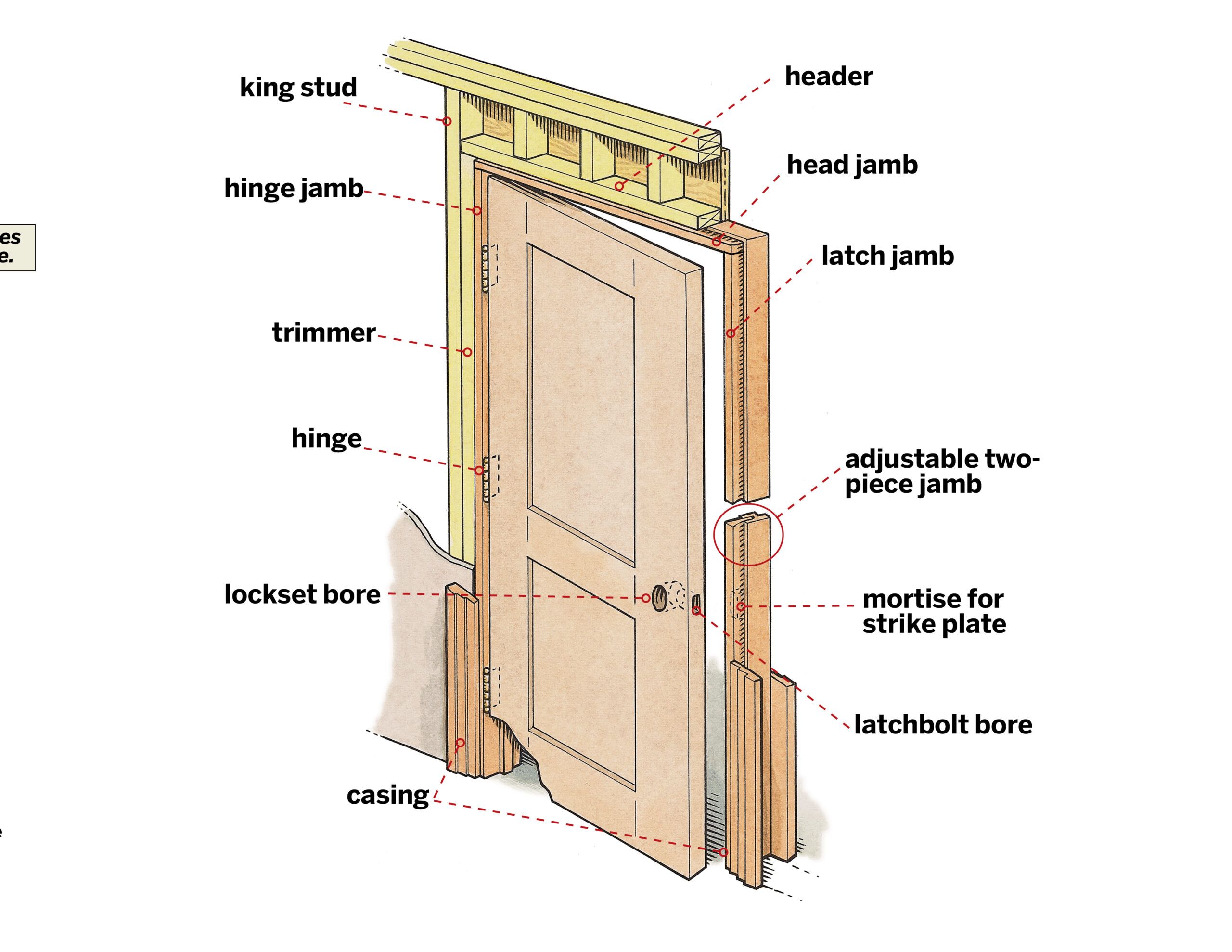
Credit: kachinacontracting.com
Installing Door Hardware
Door hardware includes the handle, latch, and lock. Most kits come with detailed instructions, but here are the basics.
Marking Hardware Placement
- The standard height for a door handle is 36 inches from the floor.
- Mark the spot for the latch and handle.
- Drill holes for the handle and latch. Use a hole saw for the main handle hole and a spade bit for the latch.
Fitting The Latch And Handle
- Insert the latch into the edge of the door.
- Screw the latch plate to the door.
- Attach the handle or knob on both sides.
- Test the handle to make sure it operates smoothly.
Installing The Strike Plate
- Close the door to see where the latch hits the frame.
- Mark this spot and chisel a shallow recess for the strike plate.
- Screw the strike plate into the frame.
Non-obvious insight: If the latch doesn’t line up with the strike plate, adjust the plate position slightly, not the door.
Final Adjustments And Checks
Even a well-mounted door often needs some final tweaks.
Adjusting For Smooth Operation
- Open and close the door several times. Listen for squeaks or rubbing.
- If the door drags on the floor, trim a little from the bottom.
- Tighten any loose screws in the hinges or hardware.
Filling Gaps
If you see any gaps between the frame and wall, fill them with expanding foam or caulk for a clean finish. Paint or stain the door and frame if desired.
Safety Checks
- Make sure all screws are tight.
- Check that the lock and latch work properly.
- Ensure there are no sharp edges or protruding nails.
Common Mistakes And How To Avoid Them
Mounting a door is straightforward, but some mistakes can cause problems later. Here’s what to watch for:
- Wrong measurements – Always measure twice before cutting.
- Frame not level or plumb – Use a level and shims for accuracy.
- Hinges not flush – Mortise the hinge recesses carefully.
- Using too few screws – All hinges must be fully secured.
- Forgetting to check the floor – An uneven floor can stop the door from closing.
- Rushing hardware installation – Mark and drill holes carefully.
- Not testing the door – Open and close the door several times before finishing.
Learning from these mistakes can save hours of frustration.
Comparing Hinge Types
Choosing the right hinge affects how your door works and lasts. Here’s a comparison of common hinges:
| Hinge Type | Best For | Durability | Special Features |
|---|---|---|---|
| Butt Hinge | Standard doors | High | Easy to install |
| Continuous (Piano) Hinge | Heavy doors | Very High | Full-length support |
| Concealed Hinge | Cabinets, modern doors | Medium | Hidden from view |
| Spring Hinge | Self-closing doors | Medium | Closes automatically |
For most interior doors, butt hinges are the best choice.
Special Situations: Mounting Exterior Doors
Mounting an exterior door is similar but has extra steps for weatherproofing and security.
Weatherstripping
- Add weatherstripping around the frame to keep out drafts and rain.
- Check that the door closes tightly against the seals.
Threshold Installation
- Most exterior doors have a threshold at the bottom.
- Make sure it’s sealed to prevent water leaks.
Using Stronger Hardware
- Use longer screws (3 inches or more) to attach the hinges and strike plate. This makes it harder for burglars to kick in the door.
- Consider a deadbolt lock for extra security.
Sealing And Painting
- Use exterior paint or finish to protect the door from weather.
- Seal all edges, including the top and bottom.
When To Use A Pre-hung Door Vs. Slab Door
Some people wonder whether to buy a pre-hung door (door attached to a new frame) or a slab door (just the door). Here’s a quick guide:
| Type | Installation Time | Best For | Pros | Cons |
|---|---|---|---|---|
| Pre-Hung Door | 1–2 hours | New construction, damaged frames | Easy alignment, includes frame | Heavier, higher cost |
| Slab Door | 2–4 hours | Replacing old door, good frame | Lighter, lower cost | More measuring/cutting |
If you’re unsure, a pre-hung door is usually easier for beginners.
Practical Tips For A Professional Finish
Mounting a door well is about more than just following steps. Here are some expert tips for a better result:
- Prime and paint the door before installation for cleaner edges.
- Use a block plane to shave small amounts off the door for a perfect fit.
- If the door swings open or closed by itself, adjust the hinge screws or add a small shim behind the bottom hinge.
- For heavy doors, use three hinges for better support.
- Always use a long level (at least 4 feet) for checking the frame.
Non-obvious insight: Always save the hinge screws from your old door. They often fit better than new ones, especially in older homes.
Safety Precautions
Safety is important when working with tools and heavy doors.
- Wear safety glasses when cutting or chiseling.
- Get help lifting heavy doors to avoid injury.
- Keep hands clear of the door edges when testing movement.
- Unplug power tools when not in use.
If you’re unsure about electrical wiring near the doorway, consult a professional.

Credit: www.youtube.com
Maintenance After Mounting
A well-mounted door should last years, but regular maintenance keeps it working smoothly.
- Oil the hinges every 6–12 months to prevent squeaks.
- Check the screws and tighten if needed.
- Touch up paint or finish if it gets scratched.
- Clean weatherstripping on exterior doors to keep a good seal.
If the door becomes hard to close, check for settling in the frame or swelling from humidity.
Troubleshooting Common Problems
Even with careful installation, problems can happen. Here’s how to fix them:
Door Won’t Latch
- Check if the latch lines up with the strike plate.
- Adjust the plate position or file the opening slightly.
Door Sticks Or Rubs
- Mark the sticking spot with chalk.
- Remove the door and shave a small amount from the edge.
- Sand and refinish the edge.
Squeaky Hinges
- Add a drop of household oil to the hinge pin.
- Move the door back and forth to work in the oil.
Door Won’t Stay Open Or Closed
- Adjust the hinge screws or add a shim behind one hinge.
- Sometimes, fixing the floor level helps.
Drafts Around Exterior Door
- Add or replace weatherstripping.
- Check that the door closes tight against the seals.

Credit: home.howstuffworks.com
Frequently Asked Questions
What Is The Easiest Type Of Door To Mount?
The pre-hung door is usually the easiest because the door is already attached to the frame. You just need to set the whole unit in the opening, level it, and secure it. This is a good choice for beginners or if the old frame is damaged.
How Much Gap Should Be Left Around A Door?
A typical gap is about 1/8 inch on the sides and top, and 1/2 inch at the bottom (for carpet or movement). This allows the door to open and close smoothly without rubbing.
Can I Mount A Door By Myself?
Yes, but having a helper is safer and easier, especially with heavy doors. If you must work alone, use wedges or blocks to hold the door in place while you attach the hinges.
What If My Door Frame Is Not Square?
If the frame is out of square, use shims to adjust it as much as possible. Sometimes, you may need to trim the door slightly to fit. Severe problems may require rebuilding the frame.
Where Can I Find More Information About Different Types Of Doors?
You can read more about door types and installation at the Wikipedia Door page.
Mounting a door is a rewarding project that adds value to your home. By following each step, using the right tools, and paying attention to details, you can achieve a result that looks and works great. Don’t rush, check your measurements, and remember—even professionals use shims and make small adjustments.
With patience and practice, you’ll be able to mount doors with confidence.