
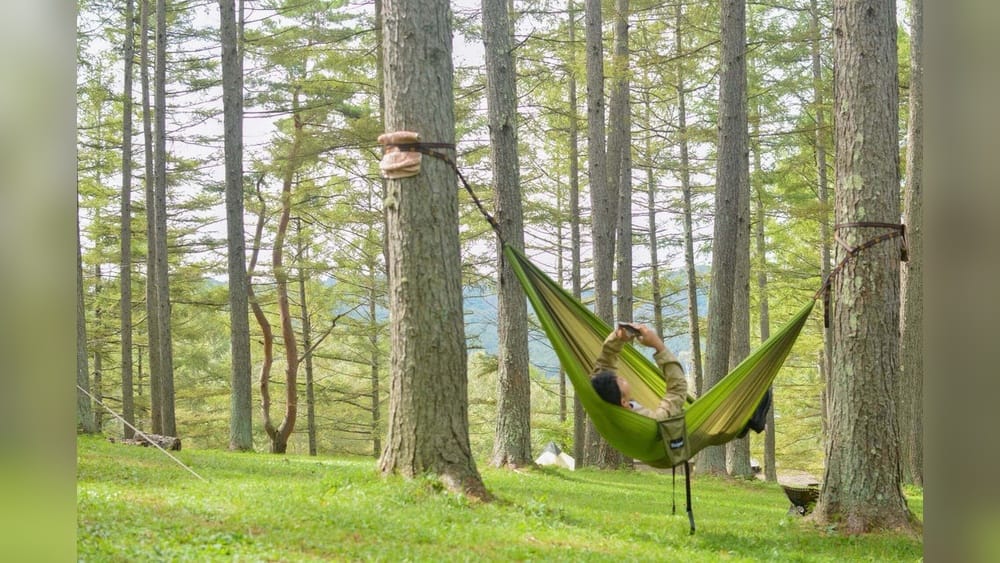
Hammocks offer a simple pleasure: relaxing outdoors, swinging gently between two trees. But getting your hammock safely and comfortably set up isn’t always as easy as it seems. You might picture yourself reading under the sun, but if the hammock sags to the ground or the tree bark is damaged, the experience quickly turns frustrating.
Mounting a hammock to a tree may look straightforward, but there are important details to get right. The wrong setup can lead to discomfort, accidents, or even harm to the trees. Whether you’re a first-time user or want to improve your technique, understanding the best practices will help you hang your hammock securely, responsibly, and enjoyably.
In this guide, you’ll learn all you need to know to mount a hammock to a tree: from choosing the right spot and materials, to the exact steps, safety checks, and even troubleshooting common problems. With a bit of knowledge, you can transform your backyard, campsite, or favorite park into your own relaxing retreat.
Why Proper Hammock Mounting Matters
Taking shortcuts with hammock setup can lead to several problems. First, safety is at risk if anchors or trees fail. Hammocks can drop you suddenly if not mounted well. Injuries from falls are common, especially if the hammock is too high or the hardware isn’t strong enough.
Second, tree health should be a priority. Wrapping thin ropes tightly around a tree can damage bark, block nutrients, or even kill the tree over time. Responsible hammock users protect nature by using tree-friendly straps and good techniques.
Third, comfort depends on the angle and height of your hammock. Too tight, and the fabric feels stiff. Too loose, and you’ll sag toward the ground. Getting it right ensures hours of relaxing without pain or awkwardness.
Finally, local rules sometimes require specific mounting methods. Many parks allow hammocks only if they use wide straps to protect trees. Ignoring these rules could mean fines or being asked to leave.
Choosing The Right Trees
Selecting the right trees is the foundation of a safe and enjoyable hammock experience. Not all trees are suitable—size, health, and distance matter.
Tree Diameter And Strength
Aim for trees with a minimum diameter of 8 inches (20 cm). Thicker is usually better, as mature trees are stronger and less likely to bend or break. Young, thin trees can be damaged and may not support your weight.
Give the tree a gentle shake. If it sways easily or feels weak, choose another. Healthy trees with strong, thick trunks are best.
Tree Health
Check for:
- Green leaves (in season)
- No large cracks or dead branches
- Solid bark (no deep cuts, rot, or fungus)
- No insect infestation (look for sawdust, holes, or oozing sap)
Avoid trees with obvious damage or disease. Not only are they at risk of falling, but you could also harm them more.
Distance Between Trees
Most hammocks need 12 to 16 feet (3.5 to 5 meters) between trees. Measure your hammock from end to end (including carabiners or loops). Add about 2 feet to this length for ideal spacing.
If the trees are too close, your hammock will hang in a tight “U” shape, making it uncomfortable. If too far, you’ll need extra-long straps, and the hammock may be unstable.
Environmental Considerations
Look for level ground under the hammock. Avoid hanging over rocks, roots, or sharp objects. Never mount a hammock near cliff edges, water, or where falling could be dangerous.
Check your surroundings for wildlife or sensitive plants. Setting up away from animal trails or flower beds protects nature and keeps you safe.
Types Of Hammocks And Suspension Systems
Not all hammocks are created equal. The type you have will affect how you mount it and what suspension gear you’ll need.
Common Hammock Types
- Rope Hammocks: Classic design, made of woven rope. Often come with spreader bars. Comfortable but can tangle easily.
- Fabric Hammocks: Made from cotton, polyester, or nylon. No gaps, warmer, and less likely to leave marks on your skin.
- Camping Hammocks: Lightweight nylon or parachute material, usually without spreader bars. Best for portability and durability.
- Chair Hammocks: Hang from a single point. Require a sturdy overhead branch or beam, not two trees.
Suspension Systems
You’ll need something to connect your hammock to the trees. There are a few main options:
- Tree Straps: Wide, flat straps (at least 1 inch/2.5 cm) designed to wrap around trees. Most recommended for tree health.
- Ropes: Traditional, but can damage bark unless used with padding.
- Hardware: Carabiners, S-hooks, or even screw-in eye bolts (only for permanent setups, not on living trees in public spaces).
Table: Pros And Cons Of Suspension Types
| Suspension Type | Tree Health | Strength | Ease of Use | Portability |
|---|---|---|---|---|
| Tree Straps | Excellent | High | Easy | Very Good |
| Ropes | Poor (unless padded) | High | Medium | Excellent |
| Hardware (Carabiners, S-hooks) | Depends (needs straps/rope) | Very High | Very Easy | Good |
Weight Ratings
Check your hammock and suspension for weight limits. Most quality hammocks hold 250–450 lbs (115–200 kg), but ultralight versions may be less. Always allow a 25% safety margin—never push the stated limit.
Essential Gear Checklist
Before heading out, make sure you have everything needed for a safe and comfortable setup.
- Hammock (with end loops or carabiners)
- Tree straps (at least 1 inch/2.5 cm wide, 8–12 feet long)
- Carabiners (locking type preferred; rated for climbing or at least 1000 lbs)
- Tape measure or rope (to check tree distance)
- Protective sleeves or padding (optional, for extra bark protection)
- Bug net or rain fly (optional, for camping)
- Headlamp or flashlight (if setting up in low light)
Carrying a small knife or multitool can help with minor adjustments, but avoid cutting or damaging trees.

Credit: www.amazon.com
Step-by-step: How To Mount A Hammock To A Tree
Hanging a hammock correctly is about following the right order and checking your work at each step. Here’s how to do it safely.
1. Find Suitable Trees
Walk around your chosen area and spot two healthy trees, at least 8 inches in diameter and 12–16 feet apart. Confirm their strength by gently pushing or shaking each trunk. Avoid any with signs of rot, deep cracks, or dead branches overhead (“widowmakers”).
2. Attach Tree Straps
Unwrap your tree straps and wrap one around each tree at about head height (roughly 5 to 6 feet off the ground). Make sure the straps are flat against the bark and don’t twist. Most straps have sewn loops at the ends—thread one end through the other to secure it snugly around the trunk.
Non-obvious tip: Place straps slightly higher if the trees are close, or a bit lower if they’re far apart. This helps get the right hanging angle.
3. Connect Hammock To Straps
Use carabiners or S-hooks to attach your hammock’s end loops to the tree straps. Many straps have multiple loops for easy adjustment. Clip the carabiner through the most suitable loop to get your desired hammock sag.
If using rope, tie a secure knot such as a bowline or becket hitch. Make sure the knot is tight and the rope is wide enough not to dig into the tree.
4. Adjust Height And Sag
The ideal hammock angle is about 30 degrees from horizontal when weighted. The lowest point of the hammock (when you sit in it) should be about 18 inches (45 cm) off the ground—about chair height.
To adjust:
- Loosen or tighten the straps by changing the connection loop.
- Move the straps up or down the tree if needed.
- Avoid making the hammock too tight (flat), as this puts stress on the trees and fabric.
Insider detail: A common mistake is pulling the hammock straight and tight. This feels more secure but increases fall risk and discomfort. The gentle “smile” shape is safer and more comfortable.
5. Safety Checks
Before sitting, double-check:
- Straps are flat and not twisted
- Carabiners are fully closed
- Knots are tight (if using rope)
- Hammock fabric is not torn
- Ground below is clear of rocks or sharp objects
Press down gently in the center of the hammock first to test the setup. If it holds, sit down slowly before lying back.
6. Get In And Out Safely
To enter, stand with your back to the hammock, grab both sides, and sit down gently before swinging your legs in. Never jump or dive into the hammock. To exit, swing your legs out and stand up slowly.
Extra tip: If using a hammock with spreader bars, be extra cautious—these are less stable and tip more easily.
Knots Every Hammock User Should Know
Knots are sometimes necessary, especially if your hammock doesn’t have carabiners or you’re improvising. Here are three of the most useful:
Bowline Knot
Creates a secure, non-slipping loop at the end of a rope. Easy to untie, even after heavy load.
How to tie:
- Make a small loop (“rabbit hole”) near the end of the rope.
- Pass the end (“rabbit”) up through the hole, around the standing part, then back down through the hole.
- Pull tight.
Becket Hitch
Traditional hammock knot, strong and easy to adjust. Used to attach a rope to a loop.
How to tie:
- Pass the working end through the hammock loop.
- Wrap around the standing part.
- Tuck the end under itself and pull tight.
Double Fisherman’s Knot
Great for joining two ropes or creating adjustable loops.
How to tie:
- Overlap rope ends.
- Tie a double overhand knot with each end around the other rope.
- Pull together to secure.
Pro tip: Practice these knots at home before heading outdoors.
Avoiding Damage To Trees And Nature
Hammock use can harm trees if done carelessly. Here’s how to minimize your impact and be a responsible outdoor enthusiast.
Use Only Tree-friendly Straps
Wide straps (at least 1 inch/2. 5 cm) spread the load and prevent bark damage. Never use wire, thin cord, or anything that cuts into the tree. Some parks require straps at least 2 inches wide.
Avoid Nails Or Screws
Never drive nails, screws, or bolts into live trees. These create wounds and let in disease. Eye bolts are only for permanent setups on posts or deadwood, not living trees.
Move Your Hammock Regularly
If you use the same trees often, rotate your setup to prevent permanent grooves in the bark.
Remove All Gear When Finished
Don’t leave straps or hardware behind. Even soft straps can harm trees if left tight for days.
Respect Local Regulations
Many parks have rules about hammocks. Always check signage or ask a ranger. Some require specific straps or ban hammocks entirely in sensitive areas.
For more on Leave No Trace principles, visit the Leave No Trace Center for Outdoor Ethics.
Advanced Tips For Better Hammock Experiences
Once you’ve mastered the basics, these tips can make your hammock time even better.
Weather Protection
If there’s a chance of rain, use a rain fly (tarp) above your hammock. Hang it wide enough to cover you fully. For bugs, a mosquito net is essential in summer.
Insulation
Hammocks can get cold from below, even in mild weather. Use an underquilt (insulated blanket that hangs under the hammock) or a sleeping pad inside.
Storing Gear
Hang a small gear sling or bag from your straps to keep shoes, water, or a flashlight off the ground.
Lighting
A battery-powered clip-on light or headlamp makes night use safer and more comfortable.
Group Hammocking
If hanging multiple hammocks, stagger them at different heights and directions to avoid collisions. Never overload a single tree.
Table: Hammock Accessories And Their Uses
| Accessory | Main Use | When Needed |
|---|---|---|
| Rain Fly | Rain Protection | Any chance of rain |
| Bug Net | Insect Protection | Summer or buggy areas |
| Underquilt | Insulation | Cool or cold nights |
| Gear Sling | Storage | Anytime extra storage is needed |
| Ridgeline | Consistent Sag Angle | For fine-tuning comfort |
Non-obvious Insight: The Ridgeline
Adding a ridgeline (a cord tied between the two tree straps above the hammock) helps keep the sag perfect every time. Many experienced hammock users add this for consistent comfort, especially for camping.

Credit: www.youtube.com
Common Mistakes And How To Avoid Them
Even experienced hammock lovers make errors. Here are a few classic mistakes and how to fix them.
Hanging Too High Or Too Low
If the hammock is too high, getting in and out is dangerous. Too low, and you risk hitting the ground. Remember: the lowest point should be about 18 inches off the ground when you’re lying in it.
Too Much Tension
A tight, flat hammock looks secure but feels stiff and can damage trees. Always aim for a 30-degree hanging angle.
Ignoring Tree Health
Choosing damaged or dead trees can lead to accidents and harm the environment. Always inspect before hanging.
Using The Wrong Gear
Thin rope, cheap carabiners, or hardware not rated for your weight can fail. Invest in quality suspension gear for safety.
Not Checking Local Rules
Some areas ban hammocks or require specific suspension methods. Don’t risk a fine—check first.
Leaving A Trace
Forgetting to remove straps or moving the hammock daily can scar trees permanently. Always “leave no trace. ”
Troubleshooting: Fixing Hammock Problems
If your hammock setup isn’t comfortable or safe, try these solutions:
- Sagging to the ground: Move straps higher, tighten slightly, or use a shorter connection loop.
- Feeling cramped: The trees may be too close. Try a wider gap if possible.
- Hammock tips easily: If you have spreader bars, make sure the hammock is centered and not too tight.
- Cold at night: Use an underquilt or sleeping pad for insulation.
- Straps slipping: Make sure they’re flat against the bark and not twisted. Replace worn straps.

Credit: www.youtube.com
Safety First: Extra Considerations
- Don’t hang your hammock higher than you’re willing to fall.
- Avoid hanging over sharp objects, water, or drop-offs.
- Don’t overload the hammock—check weight ratings.
- Never leave children unsupervised in a hammock.
- In windy conditions, take down your hammock when not in use.
Hammock Mounting In Different Environments
Hanging a hammock in the backyard is different from doing it in a public park or deep in the forest. Here’s what to keep in mind for each setting.
Backyard
You can use permanent anchors like eye bolts on wood posts or trees if you own the property. Just avoid live trees unless you use wide straps. Consider weatherproofing your hammock if left outside.
Public Parks
Follow all posted rules. Most parks require tree-friendly straps and forbid nails or screws. Hang your hammock only in designated areas if required.
Wilderness And Backcountry
Use only mature, healthy trees. Always use wide straps and check for animal habitats. Leave no trace—remove all gear and avoid damaging undergrowth.
Hammock Camping
Bring backup options. Sometimes you won’t find perfect trees. Learn how to use hammock stands or car-camping racks for flexibility.
Table: Hammock Setup Rules By Environment
| Environment | Tree Straps Required? | Permanent Hardware Allowed? | Special Considerations |
|---|---|---|---|
| Backyard | Recommended | Yes, if you own the trees | Check local HOA/rules |
| Public Park | Often Required | No | Follow all park regulations |
| Wilderness | Required | No | Leave no trace, avoid damaging vegetation |
| Campground | Usually Required | Rarely | Check with campground management |
Frequently Asked Questions
How Far Apart Should Trees Be For A Hammock?
Most hammocks need trees 12 to 16 feet apart. Measure your hammock from end to end and choose trees about 2 feet farther apart than that length. Too close, and your hammock will sag; too far, and you’ll need longer straps and may lose stability.
Is It Safe To Hang A Hammock From Any Tree?
No. Only use healthy, mature trees at least 8 inches in diameter. Avoid trees with visible damage, rot, or dead branches overhead. If you’re unsure, choose another spot for safety.
What If I Don’t Have Tree Straps—can I Use Rope?
Rope is a last resort. If you must use rope, pad the area where it touches the tree with a towel or cloth to protect the bark. Always use wide, flat straps if possible for both safety and tree health.
How High Should I Hang My Hammock Straps?
Start at head height (5–6 feet off the ground). Adjust up or down depending on tree distance and hammock sag. When you sit in the hammock, the lowest point should be about 18 inches above the ground.
Can Hammocks Damage Trees?
Yes, if set up carelessly. Thin ropes or hardware can cut into bark and harm the tree’s health. Always use wide tree straps, avoid nails or screws, and never leave your setup in place for days. Move your hammock regularly if you use the same trees often.
Setting up your hammock well is about more than just comfort—it’s about safety, responsibility, and getting the most out of your outdoor time. With the right knowledge and a bit of practice, you’ll soon be enjoying the simple pleasure of a hammock, knowing you’re doing it the right way for yourself and for nature.