
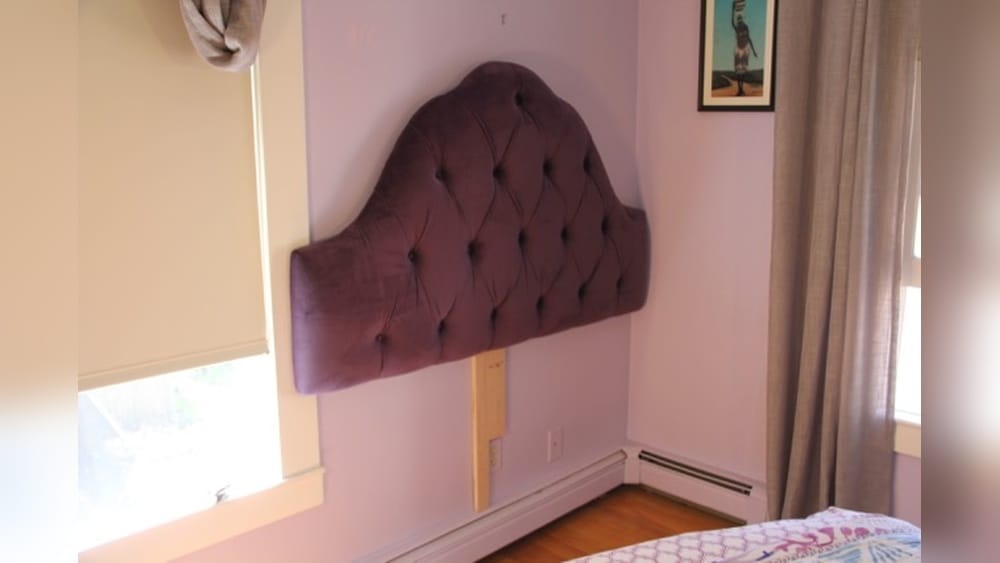
Mounting a headboard to the wall can transform your bedroom, giving it a polished, modern look while saving valuable floor space. Many people believe this task is only for experts or requires expensive equipment, but with the right preparation and guidance, almost anyone can do it.
Whether your headboard is wood, metal, or upholstered, and whether you’re mounting above a bed or creating a statement wall, understanding the process is key for safety, stability, and style.
This article will walk you through every step of mounting a headboard to the wall. You’ll learn about the different types of headboards, the best mounting methods, essential tools, safety considerations, and get answers to the most common questions. By the end, you’ll be ready to securely attach your headboard and enjoy a beautiful, personalized bedroom centerpiece.
Why Mount A Headboard To The Wall?
Headboards are more than just decorative; they serve practical functions too. Wall-mounted headboards, sometimes called floating headboards, offer unique benefits compared to traditional bed-frame-attached options:
- Stability: Wall mounting prevents wobbling and rattling, especially if you move a lot during sleep.
- Design freedom: You can position the headboard at any height, allowing for creative bedroom designs.
- Space saving: No legs on the floor means easier cleaning and more visible floor space.
- Compatibility: Works with any bed frame or base, even platform or adjustable beds.
A wall-mounted headboard can also protect your wall from marks and scratches, especially in households with children or pets. Plus, it’s easier to swap out the headboard if you want a new style later.
Types Of Headboards Suitable For Wall Mounting
Not all headboards are equally suited for wall mounting. Understanding the main types will help you choose the right approach and hardware.
Upholstered Headboards
Upholstered headboards are popular for their comfort and style. They often have a wooden or MDF back covered with foam and fabric. These are usually lighter than solid wood, making them ideal for wall mounting.
Wooden Headboards
Wooden headboards range from simple planks to elaborate panels. Solid wood is heavier but provides a classic look. Always check the weight before choosing wall anchors or brackets.
Metal Headboards
Metal headboards are usually lighter than wood but can have sharp edges or complex shapes. Look for mounting points or flat surfaces to attach hardware securely.
Diy And Custom Headboards
If you’ve made your own headboard from pallets, fabric panels, or other materials, make sure the back is sturdy and flat enough to hold wall-mounting hardware.
Panel Systems
Some modern headboard systems use multiple panels that mount separately on the wall, creating a modular or geometric effect. These are often lighter and easier to handle, but require careful measurement for a balanced look.

Credit: www.brightgreendoor.com
Tools And Materials You’ll Need
Gathering the right tools and materials before you start will make the process smoother. Below is a checklist of common items needed for most wall-mounted headboards.
- Stud finder: Locates wall studs for strong mounting points.
- Level: Ensures the headboard is perfectly straight.
- Measuring tape: For precise positioning.
- Pencil or masking tape: To mark drill points.
- Drill and drill bits: For creating holes in the wall.
- Screwdriver: Manual or electric, depending on hardware.
- Wall anchors: Use appropriate types for your wall material and headboard weight.
- Screws/bolts: Sized to match anchors and hardware.
- Mounting brackets or French cleats: For secure attachment.
- Protective gear: Safety glasses and gloves.
Depending on your specific headboard and wall, you might also need:
- Toggle bolts: For heavy headboards on drywall.
- Adhesive strips: For light, decorative headboards (not recommended for heavy use).
- Painter’s tape: To help mark and position without damaging walls.
Pro tip: If your headboard didn’t come with wall-mounting hardware, you can buy universal mounting kits at most hardware stores.
Measuring And Planning The Installation
Careful planning is the most important step for a safe and attractive result. Take your time here—rushing this stage is a common beginner mistake.
Decide On Height And Placement
Most people center the headboard behind the bed, but the height can vary. A good starting point is to have the top of the headboard 48 to 54 inches from the floor, or about 24 to 30 inches above the mattress. Adjust based on your headboard’s size and your own preference.
Mark The Wall
- Place your bed in its final position.
- Hold the headboard against the wall at your chosen height.
- Use a pencil or painter’s tape to mark the top and sides of the headboard.
- Mark the locations where mounting brackets will attach.
Locate Wall Studs
For heavy headboards, always mount into wall studs (the wooden beams behind drywall). Use a stud finder to locate them and mark their positions. If you can’t align the headboard with studs, use heavy-duty wall anchors or toggle bolts designed for your wall type.
Double Check Everything
Measure twice. Use a level to ensure your marks are straight. Small errors here can be very noticeable once the headboard is up.
Choosing The Right Mounting Method
There are several ways to mount a headboard to the wall. Your choice depends on the headboard’s weight, wall type, and how permanent you want the installation.
| Mounting Method | Best For | Pros | Cons |
|---|---|---|---|
| French Cleat | Heavy or large headboards | Very strong, easy to remove for cleaning | Requires precise alignment |
| Direct Screw/Bracket | Medium/light headboards, simple install | Cheap, widely available | Less easy to remove or adjust |
| Wall Straps/Velcro | Very light, decorative panels | No tools, easy to move | Not suitable for heavy use |
| Wall Anchors/Toggle Bolts | No stud access | Works on drywall/plaster | Requires special anchors, not as strong as studs |
French Cleat System
A French cleat consists of two angled strips—one on the wall, one on the headboard—that lock together. This method is popular for its strength and adjustability. It works for most wall types and makes removal easy.
Direct Bracket Mounting
Some headboards have brackets that can be screwed directly into the wall. This method is quick but less flexible for height adjustment. Best for lighter headboards.
Wall Straps Or Velcro
For lightweight, decorative panels, heavy-duty Velcro or wall straps can be used. Not recommended for headboards you’ll lean against or that might be bumped.
Wall Anchors And Toggle Bolts
If you can’t hit a stud, use heavy-duty wall anchors or toggle bolts. These spread the load over a larger area of drywall or plaster. Always check the weight rating.
Step-by-step Guide: How To Mount A Headboard To The Wall
Mounting a headboard might seem intimidating, but breaking it down into clear steps makes it much easier. Here’s a practical, experience-based walkthrough.
Step 1: Prepare The Work Area
Clear the space around your bed. Move nightstands or lamps out of the way. Lay a drop cloth to catch dust. If your headboard is heavy, ask a friend for help.
Step 2: Measure And Mark
Using your earlier planning, mark the top and sides of the headboard on the wall. Mark the center point. If using a French cleat or multiple brackets, mark their positions as well.
Step 3: Find And Mark Studs
Use your stud finder to locate studs behind the drywall. Mark at least two stud centers within the headboard area. If you can’t find studs, plan to use heavy-duty wall anchors.
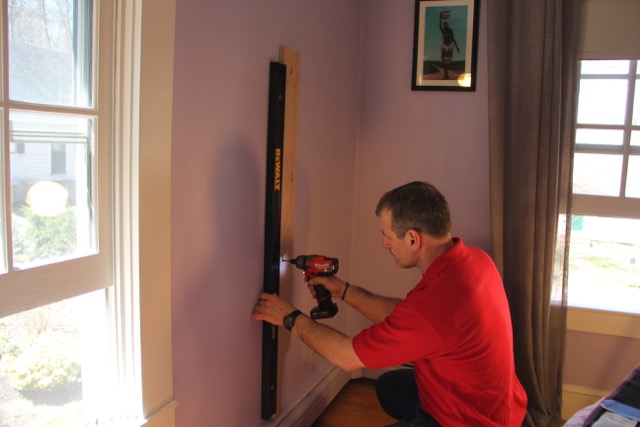
Step 4: Attach Hardware To Headboard
Install the mounting hardware (cleat, brackets, etc. ) To the back of the headboard. For cleats, the angled edge should face downward. Make sure everything is centered and level.
Step 5: Drill Pilot Holes
Drill small pilot holes at your wall marks. If you’re using anchors or toggle bolts, follow the manufacturer’s instructions for hole size.
Step 6: Install Wall Hardware
Attach the matching cleat, brackets, or anchors to the wall. Use screws long enough to reach into studs, or use anchors rated for your headboard’s weight.
Step 7: Hang The Headboard
Lift the headboard into place. For a French cleat, slide the headboard cleat down onto the wall cleat. For brackets, align and secure with screws. Double-check that the headboard is level.
Step 8: Secure And Test
Press gently on various points of the headboard to test for stability. Make small adjustments if needed. If the headboard feels loose, check hardware tightness.
Pro tip: For extra security, use adhesive pads or bumpers at the bottom corners to prevent movement and protect the wall.
Safety Tips And Common Mistakes
Mounting a headboard isn’t dangerous, but there are some key safety tips and pitfalls to avoid.
- Never rely on drywall alone for heavy headboards. Always use studs or proper anchors.
- Check for wires and pipes before drilling, especially near outlets or switches.
- Don’t overtighten screws—this can strip wood or crack drywall.
- Level, level, level: A crooked headboard is very noticeable.
- Measure carefully: Small alignment errors can make the whole bed look off-center.
A less obvious tip: If your bed often moves (for example, on hardwood floors), secure it to the wall or floor first. Otherwise, the bed can shift away from the headboard over time.
Special Considerations For Different Wall Types
Walls aren’t all the same. Your mounting method must match your wall’s material.
Drywall
Most modern homes use drywall. Always use wall anchors or screws into studs. Regular screws will pull out of drywall under weight.
Plaster
Older homes may have plaster walls. These can be brittle. Use plaster anchors or toggle bolts. Drill slowly to avoid cracking.
Concrete Or Brick
For concrete or brick, use masonry anchors and a hammer drill. These walls are very strong, but you’ll need special bits and hardware.
Paneling
Thin wood paneling may not hold much weight. Try to hit studs behind the paneling, or reinforce with a plywood backer.
Pro tip: If you’re unsure about your wall type or hardware, ask at your local hardware store or consult a professional.
Example: Mounting An Upholstered Headboard With A French Cleat
Let’s walk through a real-world example using the popular French cleat method for an upholstered headboard on drywall.
- Headboard dimensions: 60 inches wide, 36 inches high, weighs 30 lbs.
- French cleat kit: Rated for 100 lbs, includes all hardware.
- Wall type: Drywall with 16-inch stud spacing.
Process:
- Find and mark two studs 32 inches apart.
- Mark the centerline on the wall and headboard.
- Attach the wall cleat to the wall using 3-inch screws into studs.
- Attach the headboard cleat to the back of the headboard, centered and level.
- With a helper, lift and hang the headboard on the wall cleat.
- Check alignment and stability.
Result: The headboard is secure, straight, and can be removed easily for cleaning or redecorating.
Table: Recommended Wall Anchors By Wall Type And Headboard Weight
Choosing the right anchor is essential for safety. Here’s a guide based on common scenarios:
| Wall Type | Light Headboard (<15 lbs) | Medium Headboard (15–40 lbs) | Heavy Headboard (>40 lbs) |
|---|---|---|---|
| Drywall (with studs) | Wood screws into studs | Wood screws into studs | Wood screws into studs |
| Drywall (no studs) | Plastic anchors | Toggle bolts (rated 50+ lbs) | Not recommended |
| Plaster | Plastic anchors | Toggle bolts or molly bolts | Heavy-duty toggle bolts |
| Concrete/Brick | Masonry screws | Masonry anchors | Heavy-duty masonry anchors |
Always check the anchor’s weight rating and err on the side of caution.
Maintenance And Adjustments
Once your headboard is up, it should require little maintenance. However, over time you might notice slight shifts or loosening. Here’s how to keep it in top shape:
- Check tightness: Every few months, check that screws and brackets are still tight.
- Clean gently: Upholstered headboards can be vacuumed or spot-cleaned. Wood and metal can be dusted with a soft cloth.
- Prevent shifting: If your bed moves, add rubber pads under the feet or attach the frame to the wall.
- Adjust height: French cleats allow for easy removal and height changes. For fixed brackets, you’ll need to remount.
Non-obvious tip: Use felt pads where the headboard touches the wall to prevent scuffs, especially if you like to sit up in bed and read.
Creative Ideas For Wall-mounted Headboards
A wall-mounted headboard isn’t just a functional upgrade—it’s a chance to show your style. Here are a few creative ideas:
- Oversized panels: Go beyond the width of your bed for a dramatic hotel look.
- Multiple materials: Mix wood, fabric, and metal for a unique texture.
- Integrated lighting: Add LED strips or reading lights to the headboard.
- Floating shelves: Combine your headboard with small shelves for books or decor.
- DIY artwork: Mount a large canvas or tapestry as a headboard alternative.
You can also mount multiple panels in a grid or staggered pattern for a modern, geometric effect. Just remember to plan your layout and measure carefully before drilling.
When To Call A Professional
Most people can mount a headboard themselves with basic tools and patience. However, consider hiring a professional if:
- Your headboard is very heavy (over 50 lbs).
- You have unusual wall materials (stone, very old plaster).
- You’re unsure about electrical wiring or plumbing in the wall.
- You want a custom installation with built-in lighting or storage.
A pro can ensure safety and give your bedroom a polished, finished appearance.
Cost And Time Estimates
Mounting a headboard is usually affordable. Here’s a quick breakdown:
- Hardware: $10–$40 for cleats, brackets, or anchors.
- Tools: Most people have the basics; rental or purchase could add $10–$30.
- Professional labor: $50–$150, depending on complexity.
Time needed: 1–2 hours for most installations, including planning and cleanup.
Unexpected insight: If you rent your home, use removable wall anchors or a French cleat to minimize wall damage. Save the mounting hardware for future moves.
Credit: www.aconcordcarpenter.com
Environmental And Safety Considerations
Modern wall anchors and cleats are made from recyclable materials. When possible, choose eco-friendly options. If you remove a headboard, patch holes with spackle and repaint for a clean look.
Always dispose of old hardware responsibly. Keep small parts away from children and pets.
Common Myths And Misunderstandings
1. “wall Mounting Is Permanent.”
Not true. French cleats and certain anchors allow for easy removal and repositioning.
2. “only Light Headboards Can Be Wall-mounted.”
With the right hardware, even very heavy headboards can be safely attached to most walls.
3. “mounting Ruins The Wall.”
Small holes can be patched easily. Wall mounting can actually protect your wall from damage caused by a moving bed.
4. “bed Frames And Wall-mounted Headboards Don’t Mix.”
In fact, wall-mounted headboards can work with almost any bed frame.

Credit: realitydaydream.com
Example: Comparing French Cleat Vs Direct Bracket
To help you choose, here’s a side-by-side comparison:
| Feature | French Cleat | Direct Bracket |
|---|---|---|
| Ease of Installation | Moderate (requires alignment) | Easy |
| Removability | Very easy | Difficult |
| Weight Capacity | Very high | Medium |
| Cost | Moderate | Low |
| Best For | Heavy/headboards needing adjustment | Light, fixed headboards |
Resources For Further Learning
For a more detailed look at wall anchors and DIY safety, the Wikipedia page on wall anchors offers a helpful overview.
Frequently Asked Questions
How Do I Know If My Wall Can Support A Headboard?
Most standard walls (drywall over wood studs, concrete, or brick) can support a headboard with the right anchors. For very heavy headboards or weak walls, consult a professional.
Can I Mount A Headboard To The Wall If I Rent My Apartment?
Yes, but use removable anchors or a French cleat to minimize damage. Always check your lease and get permission if needed. Patch holes before moving out.
What If I Can’t Find Studs Where I Want To Mount My Headboard?
Use heavy-duty wall anchors or toggle bolts rated for your headboard’s weight. Never use regular screws in drywall alone for anything heavy.
Is It Safe To Mount A Headboard Above An Electrical Outlet?
It’s safe as long as you avoid drilling into the outlet’s wiring. Use a stud finder with wire detection, and keep screws/brackets away from outlets.
How High Should I Mount My Headboard On The Wall?
A common rule is for the top to be 48–54 inches from the floor, or 24–30 inches above the mattress. Adjust for your headboard’s style and your own comfort.
Mounting a headboard to your wall is a simple project that can make a big difference in your bedroom’s look and feel. With careful planning, the right tools, and a steady hand, you can achieve a professional, secure installation—no contractor required.
Take your time with measuring and hardware selection, and soon you’ll have a stylish, stable headboard that elevates your space.