
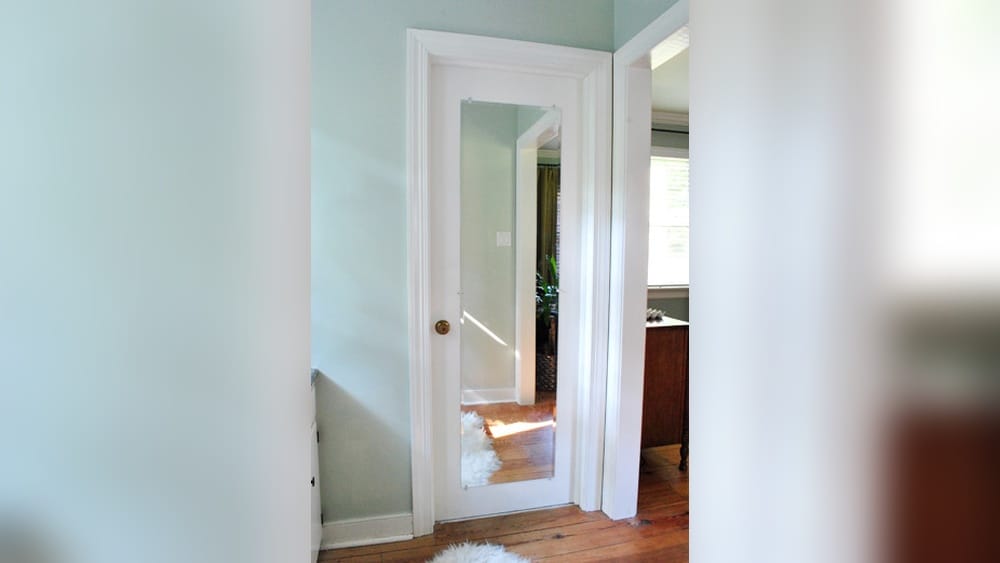
Mounting a mirror on a door is a practical way to add style, save space, and improve functionality in your home. Many people want a full-length mirror in their bedroom, bathroom, or hallway, but wall space can be limited. The door is often unused, making it a perfect spot for a mirror.
But mounting a mirror on a door is not as simple as hanging it on a wall. You need to consider the door’s material, the mirror’s weight, and the right mounting method to ensure safety and durability.
This guide will help you understand the steps, tools, and techniques needed for mounting a mirror on any door. Whether you have a hollow-core interior door or a solid wood door, you’ll learn how to avoid common mistakes and get professional-looking results.
We’ll cover choosing the right mirror, preparing your door, different mounting methods, installation tips, and long-term care. You’ll also find tables comparing mirror types, hardware options, and safety tips to make your project easier.
Choosing The Right Mirror For Your Door
Before you start, it’s important to pick a mirror that fits your needs and your door. Not all mirrors are suitable for door mounting, so consider these key points:
Mirror Size And Weight
The size of your mirror depends on the door and your preferences. Most people choose full-length mirrors (about 48 inches tall) for bedroom or closet doors. Smaller mirrors work well for bathroom doors.
But weight matters more than size. Doors—especially hollow-core ones—cannot support heavy mirrors. Use a bathroom scale or check the packaging for the mirror’s weight. Most door-mounted mirrors weigh between 10 and 25 pounds.
Tip: For hollow doors, keep the mirror under 15 pounds if possible. Solid wood doors can handle heavier mirrors, but always check the hardware limits.
Mirror Frame And Edge Design
Mirrors come with different edge styles:
- Frameless mirrors: Sleek, modern look; lighter; easy to mount.
- Framed mirrors: Traditional style; heavier; may require stronger mounting hardware.
Some mirrors have beveled edges, which can add style but may affect the mounting surface.
Door Material Compatibility
The material of your door affects which mirror you can use:
- Solid wood doors: Strong; can hold heavy mirrors.
- Hollow-core doors: Lightweight; limited support; need special hardware.
- Metal doors: Strong; harder to drill; use self-tapping screws or adhesive.
Safety Glass And Shatterproof Options
For homes with children or pets, consider shatterproof mirrors or those made with safety glass. These mirrors have a protective film that keeps glass pieces together if broken.
Comparing Mirror Types
Here’s a comparison of common mirror types suitable for door mounting:
| Mirror Type | Weight (avg.) | Mounting Ease | Best for |
|---|---|---|---|
| Frameless | 10-15 lbs | Easy | Bedroom, Bathroom |
| Framed | 15-25 lbs | Moderate | Entry, Closet |
| Shatterproof | 8-18 lbs | Easy | Children’s room |
| Decorative | 20+ lbs | Difficult | Living room |
Non-obvious insight: Frameless mirrors are not only lighter but also easier to align precisely. Beginners often miss this and struggle with heavier, framed mirrors.
Preparing The Door For Mounting
Before you install the mirror, you must prepare the door. This step ensures your mirror stays secure and the door functions properly.
Inspecting Door Strength And Surface
Start by checking the door’s material:
- Knock on the door. If it sounds hollow, it’s likely a hollow-core door. These doors are lightweight and require special anchors.
- Solid doors feel heavy and sturdy. You can use regular screws and anchors.
Look for any damage or weak spots. Avoid mounting mirrors on doors with cracks, splits, or loose panels.
Measuring And Marking
Decide where you want the mirror:
- Stand back and visualize the mirror placement. Most people mount mirrors vertically, centered on the door.
- Use a measuring tape to find the center point. Mark with a pencil.
- For full-length mirrors, leave at least 4 inches from the bottom and 2 inches from the top to avoid interfering with hinges or doorknobs.
Cleaning The Door Surface
Wipe the door with a damp cloth to remove dust and dirt. If using adhesive, clean with rubbing alcohol to ensure a strong bond.
Practical tip: If your door is painted, check that the paint is not peeling. Mirrors won’t stick well to damaged paint.

Credit: www.fabglassandmirror.com
Selecting The Right Mounting Hardware
Choosing the correct hardware is crucial. The wrong hardware can damage your door or cause the mirror to fall.
Common Mounting Methods
There are three main ways to mount a mirror on a door:
- Adhesive strips or glue: Quick and easy, but not suitable for heavy mirrors or textured surfaces.
- Screw-in brackets: Most secure; good for heavier mirrors; requires drilling.
- Over-the-door hooks: No drilling; easy removal; best for rental homes.
Mirror Clips And Brackets
Mirror clips hold the mirror at the top and bottom. They are ideal for frameless mirrors and are available in plastic or metal.
Mirror brackets are stronger and often used for framed mirrors. They support more weight and keep the mirror tight against the door.
Anchors For Hollow Doors
Standard screws won’t hold in hollow-core doors. Use hollow wall anchors or toggle bolts designed for light doors.
Adhesive Mounting Options
Use strong double-sided adhesive strips or mirror glue for lightweight mirrors. 3M and Gorilla offer strips rated for 10–20 lbs.
Comparing Mounting Hardware
Let’s compare the main hardware types:
| Hardware Type | Weight Capacity | Best for | Removability |
|---|---|---|---|
| Adhesive strips | 10-15 lbs | Light mirrors | Easy |
| Mirror clips | 20 lbs | Frameless | Moderate |
| Brackets | 25+ lbs | Framed | Difficult |
| Over-the-door hooks | 15 lbs | Rentals | Very easy |
| Toggle bolts | 20 lbs | Hollow-core | Moderate |
Non-obvious insight: Beginners often underestimate the importance of weight capacity. Choosing the wrong anchor can lead to mirror failure—especially with hollow-core doors.
Tools And Materials Needed
Gather everything before you begin. Having the right tools makes installation easier and safer.
Essential Tools
- Measuring tape
- Pencil
- Level (24-inch recommended)
- Screwdriver (manual or electric)
- Drill (if using screws or anchors)
- Stud finder (optional; mostly for wall mirrors)
- Safety glasses
- Gloves (especially for glass handling)
Materials
- Mirror
- Chosen mounting hardware (clips, brackets, adhesive)
- Hollow door anchors (if needed)
- Rubbing alcohol and cloth (for cleaning)
- Double-sided adhesive strips (if using adhesive method)
Expert tip: Always wear gloves when handling mirrors to avoid fingerprints and injury.
Step-by-step Guide: Mounting A Mirror On A Door
Follow these steps for a safe and secure installation. Each step includes practical advice to help you avoid mistakes.
1. Measure And Mark Placement
Use a measuring tape to find the center of the door. Mark the top and bottom points where the mirror will go. Use a level to ensure your marks are straight.
Example: For a 72-inch door and a 48-inch mirror, mark 12 inches from the top and 12 inches from the bottom.
2. Dry-fit The Mirror
Hold the mirror against the door to check the fit. This helps you see if it interferes with the doorknob, hinges, or panels.
Tip: Ask a friend to help hold the mirror, especially for large sizes.
3. Choose Your Mounting Method
Pick the hardware based on your mirror and door type:
- Adhesive strips: Peel and stick. Press the mirror firmly for 30 seconds.
- Mirror clips/brackets: Drill pilot holes at marked positions. Attach clips or brackets using screws and anchors.
- Over-the-door hooks: Place hooks over the top of the door. Hang the mirror.
4. Install Hardware
For clips or brackets:
- Drill pilot holes at your marks. Use a drill bit slightly smaller than the screw.
- Insert hollow door anchors if needed.
- Screw in the top clips/brackets first.
- Slide the mirror into place.
- Attach bottom clips/brackets to secure the mirror.
For adhesive strips:
- Apply strips to the back of the mirror.
- Press mirror onto the door, using your marks as a guide.
- Hold for at least 30 seconds.
5. Secure The Mirror
Check that the mirror is level and tight against the door. Adjust clips or brackets if needed.
Mistake to avoid: Don’t overtighten screws. This can crack the glass or damage the door.
6. Test Door Functionality
Open and close the door several times. The mirror should not shift, rattle, or interfere with hinges.
7. Clean And Finish
Wipe the mirror with a soft cloth to remove fingerprints. Remove pencil marks from the door.
Pro tip: For a clean look, use clear mirror clips and avoid visible screws.
Safety Tips For Mounting Mirrors
Safety is important when working with glass and doors. Here are some key tips:
- Always wear gloves and safety glasses.
- Don’t mount mirrors near the door’s edge, which can weaken support.
- Use shatterproof mirrors in homes with kids or pets.
- Avoid mounting mirrors on fire-rated doors (like some apartment doors).
- Double-check weight limits for all hardware.
Common Mistakes To Avoid
- Skipping anchors on hollow-core doors.
- Mounting too close to hinges, causing the door to bind.
- Using weak adhesive for heavy mirrors.
- Not checking level before final attachment.

Credit: www.youtube.com
Comparing Mounting Methods: Pros And Cons
Let’s look at the pros and cons of each mounting method to help you decide:
| Method | Pros | Cons |
|---|---|---|
| Adhesive strips | Quick, easy, no tools | Limited weight, hard to remove |
| Mirror clips/brackets | Secure, supports heavy mirrors | Requires drilling, visible hardware |
| Over-the-door hooks | No damage, fast install | Limited styles, possible door wobble |
Experience-based insight: Mirror clips are often the best balance for most doors—secure, easy to install, and less visible than brackets.
Long-term Care And Maintenance
Once your mirror is installed, keep it clean and check regularly for signs of loosening.
Cleaning The Mirror
Use a glass cleaner or a mix of water and vinegar. Avoid spraying directly on the mirror if adhesive was used—liquid can seep behind and weaken the bond.
Checking Hardware
Inspect screws, clips, or adhesive every few months. Tighten screws as needed. Replace adhesive strips if they show signs of peeling.
Expert tip: If the mirror starts to wobble, remove it and check the hardware before re-mounting.

Credit: www.youtube.com
Removing Or Replacing A Mounted Mirror
Sometimes you need to remove or replace the mirror. Here’s how to do it safely:
Removing Adhesive-mounted Mirrors
- Use dental floss or fishing line to gently cut through adhesive strips.
- Pry carefully with a plastic tool to avoid damaging the door.
- Clean remaining adhesive with rubbing alcohol.
Removing Screwed Mirrors
- Remove bottom clips/brackets first.
- Slide the mirror out.
- Remove top clips/brackets.
- Patch holes with wood filler if needed.
Tip: Keep all hardware for reuse or replacement.
Replacing Over-the-door Mirrors
- Simply lift the mirror off the hooks.
- Adjust or replace hooks as needed.
Real-world Examples And Data
Mirrors on doors are common in homes, apartments, and hotels. According to HomeAdvisor, about 62% of US bedrooms have at least one mounted mirror, and nearly 25% use door-mounted mirrors for space-saving.
Example: In small apartments, a door-mounted mirror can visually double the space, making a room feel larger and brighter.
Another insight: Many people underestimate the effect of a mirror’s placement on lighting. Mounting a mirror opposite a window can reflect light and brighten the room.
Troubleshooting: What To Do If Something Goes Wrong
Sometimes things don’t go as planned. Here’s how to fix common issues:
Mirror Won’t Stick
- Clean both door and mirror with rubbing alcohol.
- Use new adhesive strips rated for higher weight.
Mirror Is Crooked
- Loosen clips/brackets and adjust.
- Use a level to check alignment before tightening.
Door Won’t Close Properly
- Move the mirror away from hinges.
- Use thinner mirror or low-profile mounting hardware.
Mirror Rattles Or Wobbles
- Tighten clips/brackets.
- Add foam pads behind the mirror.
Advanced Tips For A Professional Look
Want your mirror to look like it was installed by a pro? Try these advanced tips:
- Use clear mirror clips for a seamless look.
- Paint mounting hardware to match your door color.
- Add a thin rubber strip behind the mirror to reduce vibration.
- For heavy mirrors, consider mounting a thin plywood panel to the door first, then attaching the mirror to the panel.
Pro insight: For doors with panels or grooves, use spacers to keep the mirror flat against the surface.
When To Call A Professional
Most people can mount a mirror on a door with basic tools. But if your mirror is very heavy (over 25 lbs), your door is unusually thin, or you’re unsure about drilling, consider hiring a handyman.
Professionals can:
- Check door strength
- Mount mirrors securely
- Patch holes or fix paint if needed
Average cost for professional installation is $50–$150 depending on location and mirror size.
Frequently Asked Questions
Can I Mount A Mirror On A Hollow-core Door?
Yes, but use hollow door anchors or toggle bolts. Avoid heavy mirrors—keep them under 15 lbs. Adhesive strips work for lighter mirrors. Hollow-core doors need special hardware to prevent damage.
What Is The Safest Way To Mount A Mirror If I Rent My Home?
Over-the-door hooks are best for renters. They don’t require drilling and can be removed without leaving marks. Adhesive strips are also good, but check your lease for allowed modifications.
How Do I Know If My Mirror Is Too Heavy For My Door?
Check the door material and hardware ratings. Hollow-core doors can usually handle up to 15 lbs with proper anchors. Solid wood doors support more. Always check the mirror’s weight and your chosen hardware’s limits.
Can I Use Regular Wall Anchors For Mounting A Mirror On A Door?
No, wall anchors are designed for drywall, not for doors. Use hollow door anchors or toggle bolts. Wall anchors may not hold well in thin door materials.
What Should I Do If The Mirror Cracks During Installation?
Stop immediately. Remove the mirror carefully. Wear gloves to avoid injury. If the crack is small, you may use a clear repair kit, but for safety, it’s best to replace the mirror. Always use shatterproof mirrors in risky situations.
Final Thoughts
Mounting a mirror on a door is a smart way to save space and add functionality. By choosing the right mirror, preparing your door, and using proper hardware, you can achieve a secure and stylish installation. Remember to check weight limits, follow safety tips, and use the correct tools.
Regular maintenance will keep your mirror looking great and functioning well for years.
For more detailed information on door materials and installation techniques, visit Family Handyman.
With these steps, your mirror will not only look good but will also stay safe and secure—no matter what type of door you have.