
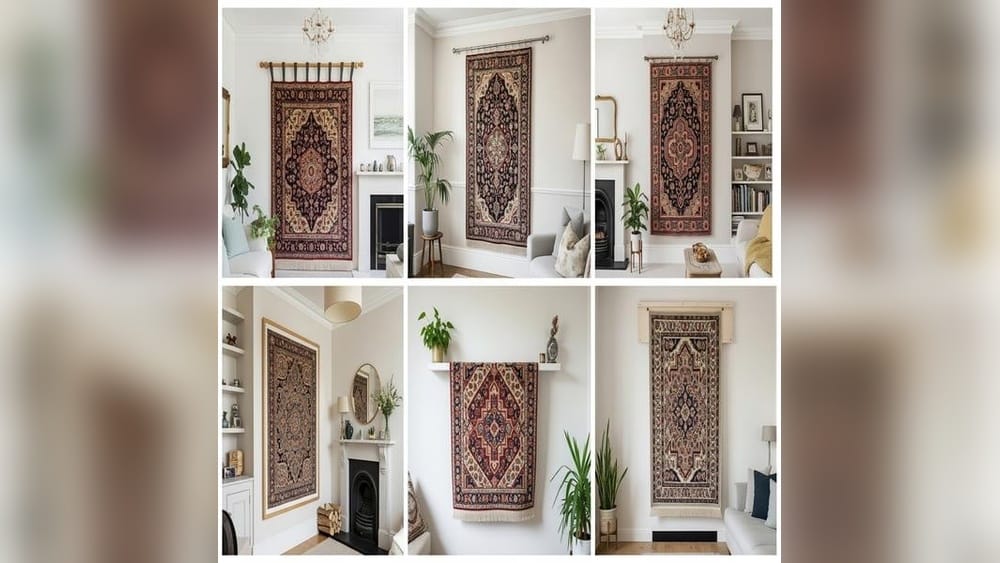
Mounting a rug on the wall can transform a plain space into a warm, inviting room. Rugs bring texture, color, and personality. They can become a focal point, display craftsmanship, or preserve a cherished memory. But hanging a rug isn’t as simple as tacking it up.
If you want your rug to look good and last, you need the right materials, methods, and care. This guide will show you how to mount a rug on the wall step by step, with practical tips and real examples.
You’ll learn what tools to use, which methods work best, and how to avoid common mistakes. By the end, you’ll feel confident to showcase your rug safely and beautifully.
Why Hang A Rug On The Wall?
Rugs are more than just floor coverings. Many people hang rugs for several reasons:
- Decorative impact: Rugs add color and pattern, especially in rooms with simple walls.
- Showcase craftsmanship: Handmade rugs often have unique designs and techniques worth displaying.
- Preserve memories: Family heirlooms, travel souvenirs, or gifts can be protected and enjoyed daily.
- Acoustic benefits: Rugs can absorb sound, making rooms quieter.
- Insulation: A rug on the wall can help insulate against cold walls, especially in older homes.
According to interior designers, wall-mounted rugs are becoming more popular. In a recent survey from the American Society of Interior Designers, 34% of professionals said clients requested wall rugs for visual interest. Museums and collectors also use wall mounting to protect valuable textiles.
Choosing The Right Rug For Wall Mounting
Not all rugs are suitable for hanging. The rug’s material, weight, and design affect how you mount it and how it looks.
Material Matters
- Wool rugs: Durable, easy to clean, and often heavier. They’re ideal for hanging but need strong support.
- Cotton rugs: Lighter and flexible. Suitable for small or medium wall displays.
- Silk rugs: Luxurious, delicate, and lightweight. Require careful handling and gentle mounting.
- Synthetic rugs: Often lighter and less expensive. Good for casual décor.
Rug Size And Weight
Heavier rugs need more support. Small rugs (under 3’x5’) are easy to hang with minimal hardware. Large rugs (over 6’x9’) need reinforced mounting to prevent sagging or wall damage.
| Rug Type | Average Weight (per sq ft) | Mounting Difficulty |
|---|---|---|
| Wool | 1.5 lbs | Medium-High |
| Cotton | 0.8 lbs | Low-Medium |
| Silk | 0.6 lbs | High |
| Synthetic | 1.0 lbs | Low-Medium |
Design And Pattern
Some rugs have a clear “top” and “bottom” due to their pattern. Others are symmetrical. Decide which side you want facing up before mounting.
Non-obvious tip: Rugs with a border pattern need careful alignment so the borders look straight on the wall.
Preparing The Rug For Wall Mounting
Preparation is key. It prevents damage and ensures the rug stays clean and flat.
Cleaning
Always clean your rug before mounting. Dust, dirt, and stains can set in once the rug is hanging.
- Vacuum: Use a vacuum on low suction. Avoid beater bars that can damage fibers.
- Spot clean: For stains, use a gentle cleaner. Test on a corner first.
- Professional cleaning: For valuable or delicate rugs, consider a specialist.
Inspecting For Damage
Check for loose threads, holes, or weak spots. Repair these before mounting. Hanging a damaged rug can worsen the problem.
Acclimatizing
Let the rug rest in the room for a day. This helps it adjust to humidity and temperature, reducing wrinkles or warping after mounting.
Beginner mistake: Skipping acclimatization. Rugs can shrink or stretch with climate changes, making them hard to hang flat.
Tools And Materials Needed
The right tools make the process smoother. Here’s a list of what you may need:
- Tape measure: For accurate placement
- Level: To ensure the rug hangs straight
- Pencil: For marking the wall
- Mounting hardware: Depends on method (see below)
- Velcro strips: For lighter rugs
- Rug hanging rod: For heavier rugs
- Sleeve (fabric pocket): Sewn onto the rug’s back to hold a rod
- Wooden slats or battens: For extra support
- Wall anchors: Needed for drywall
- Screws and brackets: To secure rods or slats
- Needle and thread: For sewing sleeves or tabs
Non-obvious insight: Always use hardware that matches the rug’s weight and wall material. Overloading anchors or screws is a common cause of accidents.
Choosing The Best Mounting Method
There are several ways to hang a rug. The best method depends on rug size, weight, and value.
Using A Rug Hanging Rod
This is the safest and most common method for larger or valuable rugs.
Steps:
- Sew a sleeve (fabric pocket) along the top back edge of the rug.
- Insert the rod through the sleeve.
- Mount brackets on the wall to support the rod.
- Slide the rug onto the rod and secure it.
Advantages:
- Supports weight evenly
- No stress on rug fibers
- Easy to remove for cleaning
Disadvantages:
- Requires sewing (may need professional help)
- Visible rod, unless hidden by rug
Example: Museums use this method to protect antique textiles.
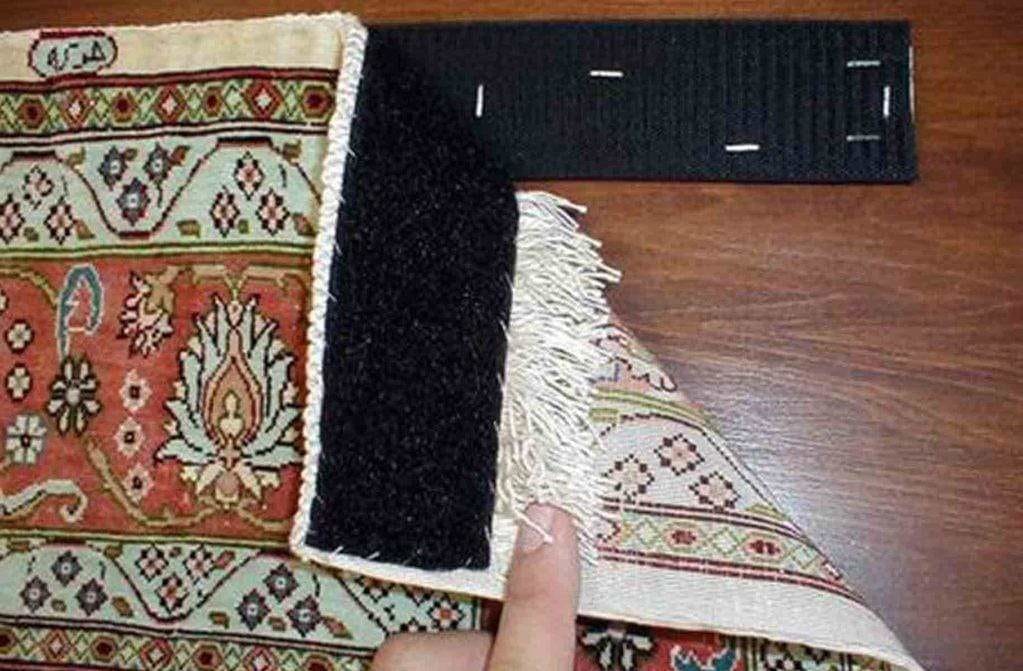
Velcro Mounting
Velcro strips work well for lightweight rugs.
Steps:
- Sew one side of the Velcro to the rug’s back.
- Attach the other side to the wall with screws or adhesive.
- Press the rug onto the wall Velcro.
Advantages:
- Easy to mount and remove
- No visible hardware
- Good for renters (if using adhesive)
Disadvantages:
- Not strong enough for heavy rugs
- Adhesive can damage paint
Using Wooden Slats
Wooden slats or battens can help distribute weight for medium rugs.
Steps:
- Attach a slat to the wall with anchors and screws.
- Staple or sew the rug to a second slat.
- Mount the rug slat onto the wall slat.
Advantages:
- Hidden hardware
- Good support for mid-weight rugs
Disadvantages:
- Requires precise alignment
- May leave holes in the rug
Hanging With Tabs Or Rings
Some rugs have built-in loops or tabs.
Steps:
- Mount hooks or nails on the wall, spaced evenly.
- Hang rug by its tabs or rings.
Advantages:
- Simple setup
- No sewing needed
Disadvantages:
- Uneven weight distribution
- Can stretch or distort the rug
| Mounting Method | Best For | Pros | Cons |
|---|---|---|---|
| Rod & Sleeve | Heavy/valuable rugs | Even support, easy removal | Requires sewing, visible rod |
| Velcro | Light rugs | Simple, invisible | Weak for heavy rugs |
| Wooden slats | Medium rugs | Hidden, strong | May damage rug |
| Tabs/rings | Small rugs | No sewing, quick | Can stretch rug |
Non-obvious insight: Avoid using ordinary nails or pins directly on the rug. They can cause permanent holes or tears, especially in delicate fabrics.
Step-by-step Guide: Mounting A Rug On The Wall
Follow these steps for a safe, neat installation.
Step 1: Plan Placement
- Measure your wall and rug.
- Decide the height. Most designers suggest the rug’s center should be at eye level (about 60 inches from the floor).
- Use a pencil and level to mark where the top edge will go.
Step 2: Prepare The Rug
- Clean and inspect.
- Sew a sleeve or attach Velcro/tabs if needed.
- Lay the rug flat to avoid wrinkles.
Step 3: Install Wall Hardware
- For rods: Mount brackets level and at the correct width.
- For Velcro: Attach strips securely.
- For slats: Anchor firmly to studs or use wall anchors.
Step 4: Hang The Rug
- Carefully lift the rug and place it on the rod or Velcro.
- Adjust so it hangs straight and flat.
- Use a level to check alignment.
Step 5: Final Adjustments
- Smooth out wrinkles or folds.
- Secure loose corners if needed.
- Step back and check from different angles.
Beginner mistake: Hanging the rug too high or low. Always check placement before final mounting.
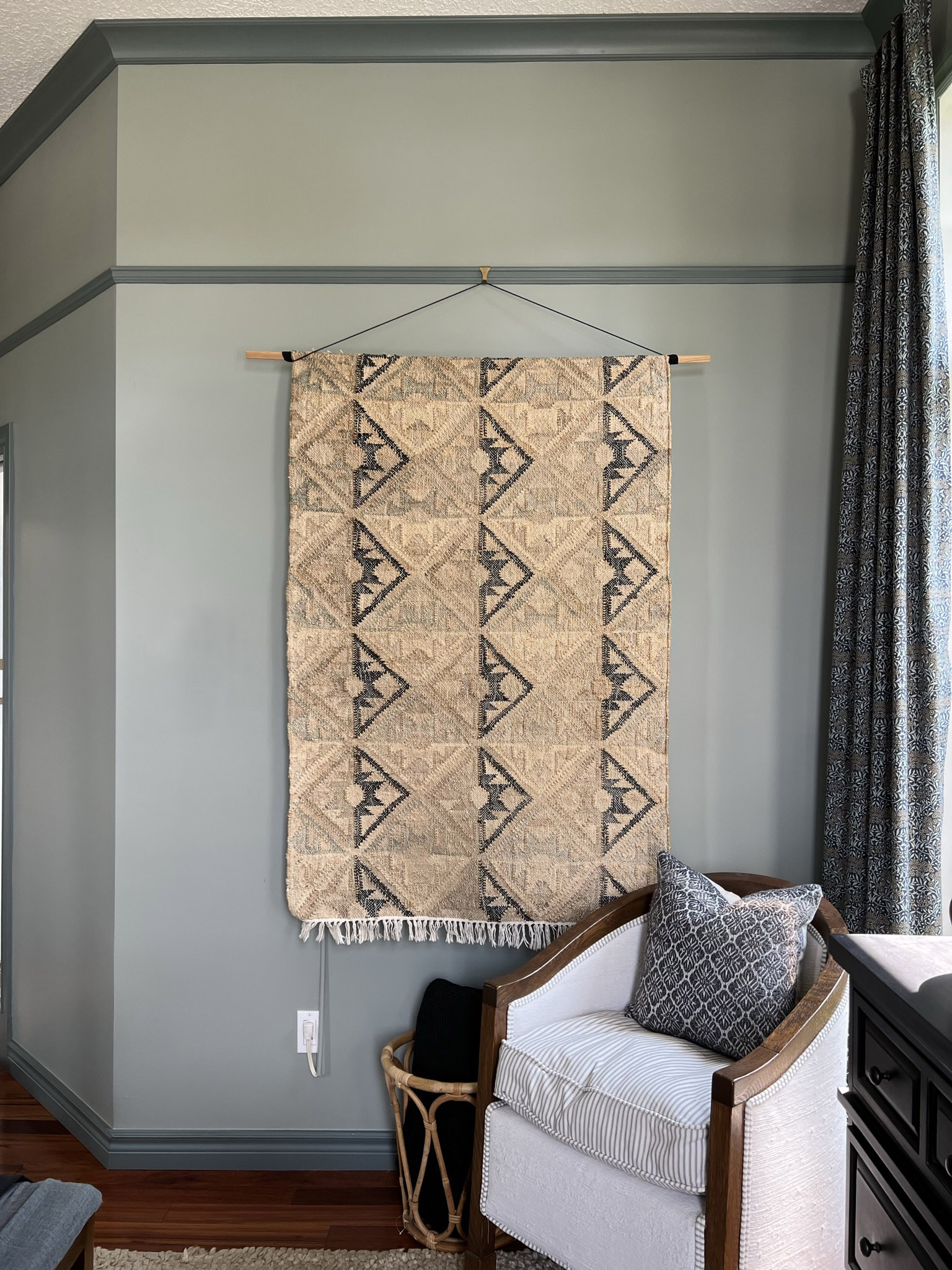
Credit: erinzubotdesign.com
Protecting Your Rug On The Wall
Wall-mounted rugs need care to stay beautiful and last longer.
Avoid Direct Sunlight
Sunlight can fade colors and weaken fibers. Hang rugs away from windows or use UV-protective window film.
Control Humidity
Too much moisture can cause mold or mildew. Keep rooms dry and ventilated.
Dust Regularly
Use a soft brush or vacuum on low to remove dust. Don’t use strong suction.
Inspect Annually
Check for loose threads, fading, or damage. Repair issues early.
Non-obvious tip: Rotate the rug every few years if possible. This spreads wear and exposure, keeping colors even.
Common Mistakes And How To Avoid Them
Even experienced decorators make mistakes. Here’s what to watch out for:
- Using the wrong hardware: Weak anchors or screws can fail, risking injury or damage.
- Mounting without support: Hanging a heavy rug by a few nails causes stretching or tears.
- Ignoring humidity: Moisture can ruin textiles. Always check your room’s climate.
- Not cleaning before hanging: Dust and stains become permanent if left untreated.
- Poor alignment: Crooked rugs distract and look unprofessional.
Practical advice: Always double-check measurements and hardware strength. If unsure, consult a specialist or carpenter.
Credit: benisouk.com
Creative Ways To Display Rugs
Mounting a rug doesn’t have to be boring. Try these creative ideas:
- Gallery wall: Hang multiple small rugs in a pattern for visual impact.
- Backdrop: Use a large rug as a backdrop for a bed or sofa.
- Framed rug: Mount a rug inside a shadow box or frame for extra protection.
- Split display: Cut a damaged rug into panels and mount each separately.
Example: The Museum of Modern Art often uses custom frames for textile art, preserving the work and making it easy to transport.
Mounting Rugs In Different Rooms
Each room has unique needs. Here’s how to handle common spaces:
Living Room
Use large rugs as a statement piece. Choose colors that complement the furniture. Make sure the rug is hung securely—this room gets high traffic.
Bedroom
Smaller rugs or tapestries work well above beds. Avoid direct sunlight. Make sure mounting hardware is child-safe.
Hallway
Use narrow runners or vertical rugs. Secure tightly to prevent accidental bumps.
Office
Rugs add warmth and absorb sound. Hang behind desks or in meeting areas for comfort.
Data: According to a 2023 survey, 48% of homeowners who mounted rugs in living rooms reported improved room acoustics.
Comparing Wall Mounting Methods
To help you choose, here’s a comparison of the most popular methods:
| Method | Cost Estimate | Installation Time | Suitability |
|---|---|---|---|
| Rod & Sleeve | $40–$120 | 2–3 hours | Heavy, valuable rugs |
| Velcro | $15–$40 | 1 hour | Light, small rugs |
| Wooden Slats | $20–$70 | 2 hours | Medium rugs |
| Tabs/rings | $10–$25 | 30 minutes | Small rugs |
Straight-to-the-point advice: If your rug is valuable or heavy, invest in a rod and sleeve. For casual décor, Velcro or tabs are fast and easy.
Rug Mounting For Renters
Renters often worry about wall damage. Here are safer options:
- Adhesive Velcro: Easy to remove, but check for paint compatibility.
- Removable hooks: Brands like Command™ offer hooks that don’t damage walls.
- Temporary rods: Use tension rods inside window frames or alcoves.
Tip: Always test adhesives on a small area first. Some paints react badly to sticky products.
Professional Vs. Diy Mounting
Should You Hire A Pro Or Do It Yourself?
Diy
- Costs less
- Flexible timing
- Good for simple rugs
Professional
- Safe for valuable or antique rugs
- Access to specialist tools
- Guarantees alignment and support
Data: The average cost for professional rug mounting is $150–$500, depending on rug size and complexity.
Non-obvious insight: Professionals can create custom sleeves or frames that preserve the rug’s value. This is especially important for museum-quality pieces.
Sustainability And Eco-friendly Choices
Mounting rugs can be sustainable. Choose eco-friendly materials and reuse hardware.
- Use reclaimed wood: For rods or slats
- Choose natural fibers: Wool, cotton, and silk are biodegradable
- Avoid plastic adhesives: They can damage both rug and wall
- Recycle hardware: When you move or change décor
Example: The Textile Museum in Washington, D.C., uses recycled materials for mounting historic rugs.
How To Care For A Wall-mounted Rug
Routine maintenance keeps your rug looking fresh.
- Dust weekly: Use a soft brush or vacuum with no beater bar.
- Check for pests: Moths and beetles love natural fibers.
- Inspect mounting: Look for loose hardware or sagging.
- Clean gently: Spot clean only, avoid soaking.
- Rotate if possible: To even out sunlight and wear.
Tip: If you notice fading, move the rug to a darker wall or add protective window film.
When To Seek Help
Some situations need expert care:
- Antique or museum-quality rugs
- Very large or heavy rugs
- Fragile materials (silk, tapestries)
- Custom installation needs
Contact a textile conservator or professional installer. For more information on rug conservation, see Wikipedia Textile Conservation.

Credit: the-rugs.com
Frequently Asked Questions
How Do I Hang A Rug Without Damaging The Wall?
Use removable hooks or adhesive Velcro. Always test adhesives on a small spot first. If mounting a heavy rug, use wall anchors designed for your wall type.
Can I Hang A Rug Over Wallpaper?
Yes, but be careful. Heavy rugs may tear wallpaper. Use rods or slats anchored to the wall, not just to the wallpaper. Avoid adhesives that can damage wallpaper.
What’s The Best Way To Hang A Heavy Rug?
Use a rod and sleeve. Sew a strong fabric pocket to the rug’s back, insert a rod, and mount with sturdy brackets. For very heavy rugs, consult a professional installer.
How Can I Prevent My Rug From Fading?
Keep rugs out of direct sunlight. Use UV-protective window film or curtains. Rotate the rug every few years to balance exposure. Some rug sprays offer extra UV protection.
Is It Safe To Hang A Rug In A Humid Room?
It’s risky. High humidity can cause mold, mildew, and fiber damage. If you must hang a rug in a humid area, use a dehumidifier and check the rug regularly for signs of moisture.
Mounting a rug on the wall is a rewarding project. It brings art, warmth, and history into your home. With careful planning and the right tools, you’ll create a display that is both beautiful and safe. Whether you choose a traditional rod and sleeve or a modern Velcro method, your rug can become a centerpiece that lasts for years.
Remember to maintain your rug and hardware, and seek expert help for valuable pieces. Enjoy your new wall-mounted rug—it’s a conversation starter and a piece of art you’ll cherish every day.