
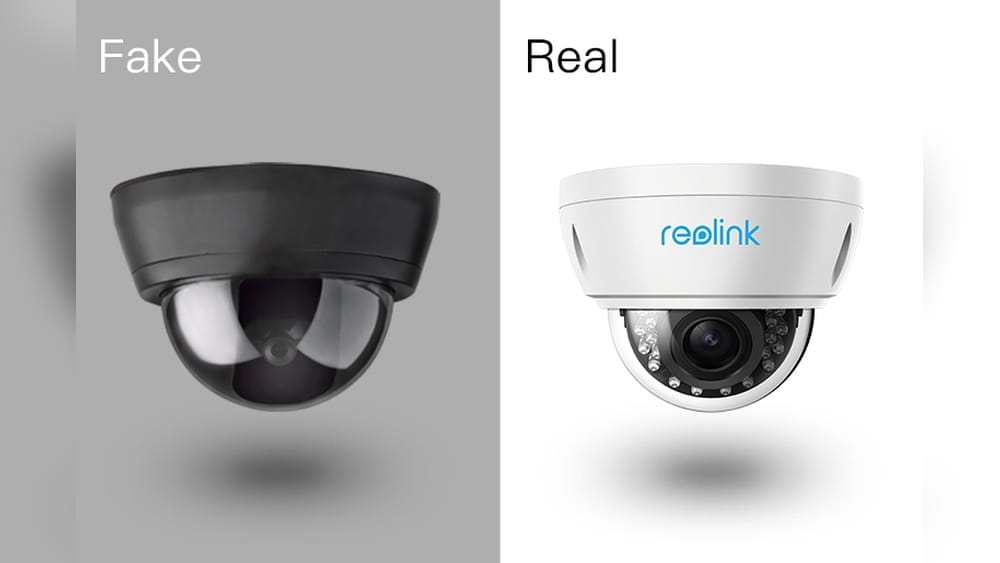
Every day, more homes and businesses add security cameras for peace of mind. But not all cameras you see on buildings or lamp posts are real. Some are clever fakes, designed to scare off criminals without actually recording anything. These fake security cameras are cheap and easy to install, so they appear in many places. The problem is, fake cameras offer no real protection. If you want to keep your property safe, or if you simply want to know if the cameras in your area are real, being able to spot a fake is an important skill.
This guide will give you all the tools you need. You’ll learn the most common signs of a fake security camera, see real-world examples, and find out how to check if a camera is really keeping an eye on things—or just pretending.
Along the way, you’ll discover some surprising details that many people miss, and you’ll gain confidence in telling the difference between real and fake security devices.
Why People Use Fake Security Cameras
Fake cameras, also called dummy cameras, are often used to save money. Real security cameras can cost hundreds of dollars, plus installation and maintenance. A dummy camera, on the other hand, can be bought for less than $20 and set up in minutes. Businesses sometimes install fake cameras to deter theft, hoping that the mere sight of a camera will make people think twice.
Homeowners also use fake cameras to protect their property on a budget. In neighborhoods with a lot of crime, some people put up both real and fake cameras together. They hope to confuse criminals and reduce the chance of a break-in.
However, relying on fake cameras is risky. If someone realizes the cameras are fake, your property becomes an easy target. In some places, using fake cameras can even create legal problems—especially if people think they are being recorded when they are not.
The Risks Of Relying On Fake Cameras
It’s tempting to use dummy cameras for quick, cheap security. But there are real risks:
- False Sense of Security: People might behave less carefully if they think cameras are recording. This can lead to accidents or crimes that go unreported or uninvestigated.
- Legal Issues: In some states or countries, installing fake cameras in public places can lead to lawsuits, especially if someone is harmed and thinks footage exists.
- Smart Criminals: Professional thieves often know how to spot fake cameras. Once they realize your cameras are not recording, your property becomes a target.
- No Evidence: If something does happen—like theft or vandalism—a fake camera cannot provide any video evidence.
Many security experts recommend using real cameras, even if you start with just one or two. The cost of a real camera has dropped in recent years, and many models now offer high-quality video for under $100.
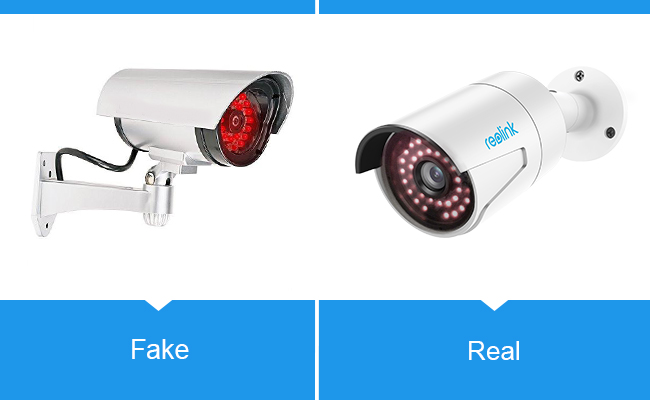
Credit: reolink.com
Main Signs Of A Fake Security Camera
Some dummy cameras look almost identical to real ones. Others are easy to spot. Here are the most common clues:
1. Flashing Red Lights
One of the easiest ways to spot a fake is the flashing red LED light. Many cheap dummy cameras have a small red light that blinks constantly. Real security cameras rarely use blinking lights, especially outdoors. Real cameras often have infrared lights for night vision, but these are usually invisible or give off a faint red glow—not a bright, blinking light.
2. Cheap-looking Build Quality
Real cameras are made from sturdy materials, like metal or hard plastic, to withstand weather and tampering. Fake cameras often use lightweight plastic and may feel flimsy if you touch them. The paint might chip easily, or the body may have visible seams and screws.
3. Unusual Placement
A camera that is too high, too low, or pointed in a strange direction might be fake. Some dummy cameras are installed by people who don’t know much about surveillance, so they end up in odd places—like facing a wall or a spot that doesn’t need monitoring.
4. Missing Wires Or Power Source
Many real cameras need power cables or Ethernet cables. If you see a camera with no wires (and it’s not a battery-powered model), it could be fake. Some fake cameras have a “wire” that leads nowhere, or no cable at all.
5. Overly Noticeable Branding
Dummy cameras sometimes use generic or fake brand names. If you see a camera labeled with a brand you don’t recognize, or with a misspelled name, it’s a sign of a fake. Real security brands are usually easy to look up online.
6. Fixed, Unmoving Lens
Most modern cameras have a moving lens or a dome that allows for pan, tilt, and zoom. Dummy cameras often have a lens fixed in one direction. If the camera never moves, or if the lens is just a dark sticker, you are likely looking at a fake.
7. Lack Of Real Infrared Leds
Real cameras for night use have a ring of small infrared LEDs around the lens. These allow the camera to record in the dark. Fake cameras may have a ring of clear plastic “LEDs” that don’t actually light up.
8. Unusual Price
If you see a new “security camera” for $10-$15, it’s probably fake. Real cameras, even basic ones, cost more because of the technology inside.
9. No Manufacturer Information
Authentic cameras usually have model numbers, serial numbers, and manufacturer info on the body or in the manual. Dummy cameras rarely include this information.
10. Overly Large Or Cartoonish Design
Some dummy cameras are huge, with big fake antennas or extra-large lenses. Real cameras are getting smaller and more discreet. If it looks like something from a toy store, it’s probably not real.
Real Vs Fake Security Camera: Side-by-side Comparison
To make spotting a fake camera easier, here’s a comparison between typical features of real and fake cameras.
| Feature | Real Camera | Fake Camera |
|---|---|---|
| Build Material | Metal or heavy-duty plastic | Light plastic, often flimsy |
| LED Lights | Infrared (faint red glow or invisible) | Bright blinking red LED |
| Wiring | Visible power/Ethernet cables | No wires or fake short wires |
| Lens Movement | Pan/tilt/zoom features | Fixed lens, no movement |
| Branding | Recognizable brands, model numbers | Unknown or fake brands |
| Price | $30 and up | Usually under $20 |
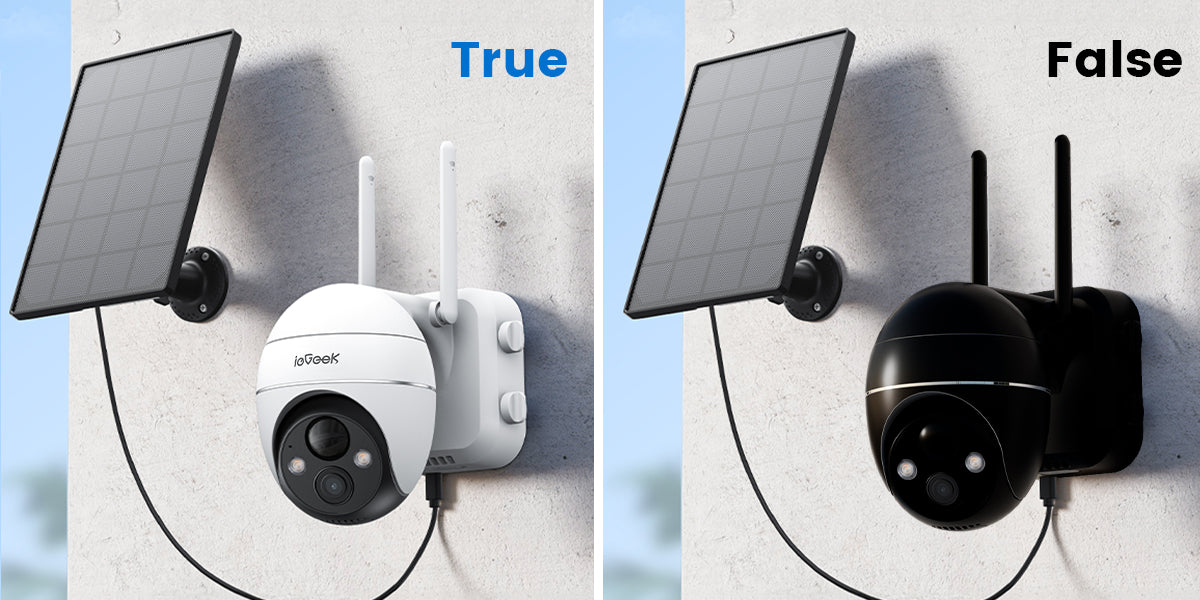
Credit: www.iegeek.com
How To Physically Inspect A Security Camera
Sometimes you can get close to a camera, such as at a business you own or manage. Here’s how to check if it’s real:
- Look for Cables: Real cameras almost always need power. Even wireless models need to be charged. If you see no cables, be suspicious.
- Check for Moving Parts: Try to see if the camera moves or follows motion. Many real cameras will move slowly to cover a wider area.
- Examine the Lens: Look for a glass lens that reflects light. Dummy cameras may have a plastic “lens” that doesn’t look like real glass.
- Inspect for LEDs: At night, many real cameras will have a faint red glow from infrared LEDs. If you see a bright blinking light, it’s probably fake.
- Touch the Camera: Real cameras feel heavy and solid. Dummy cameras are often light and may rattle if shaken gently.
Using Technology To Check If A Camera Is Real
If you can’t get close to the camera, there are still ways to check:
- Wi-Fi Network Scan: Many modern cameras connect to Wi-Fi. If you scan for available devices, you might see the camera’s network name.
- Check for Reflections: At night, use a flashlight to look for a reflection from the lens. Real lenses often reflect more light than plastic ones.
- Smartphone Camera Trick: Point your phone’s camera at the security camera at night. If you see small dots of light on your phone screen, those may be the infrared LEDs—evidence of a real camera.

Credit: www.amazon.com
Spotting Fake Cameras In Different Environments
At Home
Homeowners sometimes install fake cameras by the front door, in the driveway, or in the backyard. Look for cameras with no wires, especially if they are in places where running power would be difficult. Also, check if the camera is pointed at a logical area—like the front gate or door.
In Businesses
Stores and offices often have both real and dummy cameras. Some businesses use dummy cameras as a backup to save money. Real cameras are usually placed over entrances, exits, and cash registers. If you see a camera in a corner far from any activity, it may be fake.
Public Spaces
City parks, parking lots, and other public areas may have visible cameras. Local governments usually invest in real cameras, but sometimes, especially in low-budget areas, they use dummy cameras to cover more ground. If a public camera looks cheap, flimsy, or has no visible power source, it may not be real.
Advanced Tips: Details Most People Miss
Most people look for obvious clues, but professionals know to check for these subtle details:
- Camera Angle: Real cameras are always pointed for maximum coverage, not at the sky or an empty wall. If the angle makes no sense, it’s likely fake.
- Weatherproofing: Outdoor cameras need weather seals, covers, or sun shields. Dummy cameras often skip these details.
- Mounting Hardware: Real cameras use sturdy brackets and secure screws. Dummy cameras might be held up with small, weak screws or even double-sided tape.
- Infrared Cut Filter: Many real cameras have a small filter that moves in front of the lens during the day. If you see a camera with a single, unchanging lens, it might be fake.
- QR Codes or Stickers: Some real cameras have QR codes for setup or maintenance. Dummy cameras rarely have these.
What To Do If You Find A Fake Camera
If you spot a fake camera at your home or business, you have a few options:
- Replace With a Real Camera: The best way to improve your security is to install a real camera. Modern cameras are affordable, easy to set up, and can be monitored from your phone.
- Use Signs Wisely: If you can’t afford a real camera, at least use clear warning signs. But don’t give a false sense of security to your family or customers.
- Inform Property Owners: If you are a tenant or employee, let the property owner know about the fake camera. They may not realize it offers no protection.
- Combine With Real Security: If you want to use dummy cameras, always combine them with other real security measures, like alarms or motion-activated lights.
Common Mistakes People Make When Spotting Fake Cameras
Even experienced people make errors when checking for fake cameras. Here are a few to avoid:
- Assuming All Cameras Are Real: Never assume that every camera is recording. Some are just for show.
- Judging by Size Alone: Not all big cameras are real, and not all small cameras are fake. Technology is getting smaller.
- Ignoring Branding: If you don’t recognize a brand, look it up. Some fake brands are made up, while others copy real company names with small changes.
- Trusting Blinking Lights: As mentioned before, real cameras almost never use blinking red lights. Don’t be fooled by them.
Legal Aspects Of Using Fake Security Cameras
The law around fake cameras is complex. In some areas, you can use dummy cameras on your own property. But if you put them in places where people expect privacy (like bathrooms or changing rooms), you can face serious legal trouble.
For businesses, the risk is higher. If someone is harmed and believes video evidence should exist, they may sue if they learn the cameras were fake. It’s always a good idea to check local laws or talk to a lawyer before installing any kind of surveillance device.
Some states in the US have specific rules about where and how you can use both real and dummy cameras. For more details, you can check with your local police or city government, or visit resources like the Wikipedia page on CCTV.
Popular Fake Camera Models And Their Giveaways
Here are some of the most common fake camera models sold online, and what makes them easy to spot:
| Fake Camera Model | Giveaway Sign | Real Camera Equivalent |
|---|---|---|
| Dummy Dome Camera with Blinking LED | Flashing red light, no real lens | Hikvision DS-2CD2132F-IS |
| Fake Bullet Camera with Solar Panel | Plastic solar panel, no wiring | Dahua IPC-HFW2231R-ZS |
| Cheap Outdoor PTZ Dummy | Large body, fixed lens, no pan/tilt | Amcrest IP2M-841 ProHD |
| Mini Dome Dummy Camera | Tiny size, no visible LEDs or QR code | Reolink RLC-520 |
When shopping for cameras, always check product reviews and technical specs. Fake cameras often have only a few reviews, or reviews that mention “looks real but doesn’t record. ”
How To Protect Yourself From Buying Fake Cameras
If you’re shopping for a security camera, follow these steps to avoid buying a fake or a dummy by mistake:
- Buy From Trusted Sellers: Always use well-known retailers or the manufacturer’s official site.
- Check the Specs: Real cameras list video resolution, night vision range, and storage options. Fake cameras may only mention “looks real” or “deterrent effect.”
- Read Reviews Carefully: Look for reviews that mention actual use, like video quality or app features.
- Ask for a Demo: If buying in person, ask the seller to show the camera working.
- Check for Certifications: Real cameras often have certifications like FCC, CE, or UL. Dummy cameras don’t.
Real-world Examples: Spotting Fakes In Action
Let’s look at a few real-life situations:
- Parking Lot Cameras: A large parking lot has several cameras on poles, but only a few have visible cables running down to a power box. The others are attached with zip ties and have blinking red lights. It’s likely only the cabled cameras are real.
- Grocery Store Entrance: The store has two cameras above the entrance—one is a large, fixed dome with a flashing LED, and the other is a small, moving camera behind a smoked dome. The moving camera is real, the fixed one is a dummy.
- Residential Home: A camera above the garage door with no cables and a plastic lens is probably a fake. A camera at the front door with a QR code and glass lens is most likely real.
What To Do If You Find Out A Camera Is Fake
If you discover that a camera on your property is fake, don’t panic. Instead, think about your real security needs.
- Upgrade to Real Cameras: Even a single real camera is better than none. Modern systems can be set up in less than an hour.
- Talk to Your Family or Staff: Make sure everyone knows which cameras are real and which are not. Don’t let anyone rely on fake cameras for safety.
- Use Other Security Measures: Good lighting, secure locks, and an alarm system can provide real protection.
- Regularly Review Your Security Plan: Technology changes fast, and so do criminal tactics. Stay updated.
Frequently Asked Questions
What Is The Main Purpose Of A Fake Security Camera?
The main purpose is to deter crime by making people think they are being watched. Fake cameras are much cheaper than real ones, so some homeowners and businesses use them as a low-cost way to discourage theft or vandalism.
Are Fake Cameras Legal To Use?
In most places, it is legal to use fake cameras on your own property. However, there may be legal issues if you put them in places where people expect privacy, or if someone is harmed and believes real footage should exist.
Always check local laws before installing any kind of camera.
How Can I Tell If A Camera Is Recording?
Look for clues like wires, moving lenses, and infrared LEDs. At night, real cameras often have a faint red glow from their infrared lights. Some real cameras also move or follow motion. If you see a blinking red light, it’s probably fake.
Can Professional Thieves Spot Fake Cameras Easily?
Yes, experienced criminals can often spot fake cameras by their build quality, placement, and lack of real features. They may even test if the camera moves or reacts to their presence before acting.
Should I Ever Use A Fake Camera?
If you have no other option, a fake camera can provide some deterrence. But it’s always better to use real cameras, even if you can only afford one. Combine any dummy cameras with other real security measures for the best protection.
Spotting a fake security camera is a useful skill in today’s world. By paying attention to details like build quality, lights, wiring, and placement, you can quickly tell if a camera is real or just for show. Remember, a real camera not only deters crime but also provides vital evidence if something happens.
Always invest in true security when you can, and don’t let a dummy camera give you a false sense of safety. Stay alert, stay informed, and keep your home or business truly protected.