

The Dire Wolf is one of the most legendary mounts in the world of mythic creatures. With its massive size, sharp instincts, and fierce loyalty, it has captured the imagination of many adventurers and collectors. But taming a Dire Wolf Mythic Mount is not easy. It requires skill, patience, and knowledge of both the animal and the art of mount training. Whether you are looking to add a Dire Wolf to your collection or simply want to understand the process, this guide will take you through every step. You will learn what makes Dire Wolves unique, the best methods for taming, common mistakes, and how to care for your mount once tamed. By the end, you will have a clear path to becoming a master of Dire Wolf mounts.
What Makes Dire Wolf Mythic Mounts Special
Dire Wolves are not ordinary wolves. They are much larger, sometimes reaching up to 7 feet in length and weighing over 300 pounds. Their mythic status comes from their rare abilities, such as heightened senses, incredible speed, and an almost magical bond with their rider.
Unlike regular mounts, Dire Wolves have:
- Exceptional stamina: They can run for hours without tiring.
- High intelligence: Dire Wolves can understand complex commands.
- Unique abilities: Some can cloak themselves in shadows or sense danger from miles away.
- Strong loyalty: Once tamed, they are fiercely protective of their rider.
These features make Dire Wolves valuable not just for transportation, but also for combat and exploration. However, their wild nature means they are difficult to tame and require special techniques.
Finding A Dire Wolf Mythic Mount
Before you can tame a Dire Wolf, you must first find one. Dire Wolves are not common and usually live in remote areas.
Where To Search
The best places to find Dire Wolves are:
- Mountain forests: Dire Wolves prefer high, cold forests with plenty of cover.
- Shadow valleys: These areas are known for magical creatures.
- Ancient ruins: Dire Wolves sometimes make their dens near ruins for protection.
When searching, look for signs such as large paw prints, deep growls at night, or bones near dens. Dire Wolves are cautious and rarely show themselves unless they feel safe.
How To Approach Safely
Approaching a Dire Wolf requires caution. Never rush or make loud noises. Use these steps:
- Move slowly and stay low.
- Avoid eye contact, which can be seen as a threat.
- Bring scent-masking herbs to hide your human smell.
- Watch for warning signs like raised fur or growling.
If you spot a Dire Wolf, observe from a distance for several days. Learn its routine and favorite places. This information will help you plan your approach.

Credit: www.youtube.com
Preparing For The Taming Process
Taming a Dire Wolf is not just about bravery. It requires preparation, both for your safety and the animal’s comfort.
Essential Gear
You will need:
- Protective clothing: Thick, padded gear to prevent bites.
- Calming herbs: Wolves respond well to scents like lavender.
- High-protein food: Raw meat is the best reward.
- Strong rope: For gentle restraint, if needed.
Never use harsh tools or traps. Dire Wolves respond badly to pain and may become aggressive.
Mental Preparation
Taming a Dire Wolf takes patience. You must be calm, focused, and ready to spend days or weeks building trust. Many beginners fail because they rush or lose patience. Remember, the wolf will sense your mood.
Step-by-step Guide To Taming Dire Wolf Mythic Mounts
Taming a Dire Wolf is a complex process. Follow these steps for the best chance of success:
Step 1: Establish Trust
Spend time near the wolf without making contact. Offer food from a distance and let the wolf approach at its own pace. Speak in a soft voice and avoid sudden movements.
- Tip: Dire Wolves respond well to consistent routines. Visit at the same time each day.
Step 2: Positive Reinforcement
Once the wolf accepts food, start using positive reinforcement. Reward calm behavior with treats and gentle words. Avoid punishment.
- Non-obvious insight: Dire Wolves are sensitive to tone. Praise is more effective than commands.
Step 3: Gentle Contact
When the wolf is comfortable, slowly extend your hand. Let it sniff you. If it shows aggression, back away and try again later.
- Do not force contact. It can take several days for the wolf to accept touch.
Step 4: Introduce Equipment
Show the wolf your gear, such as a harness or saddle, before using it. Let it inspect the items and reward curiosity.
- Gradually place the harness on its back, but do not fasten it until the wolf is relaxed.
Step 5: First Ride
Once the wolf is comfortable with your presence and the equipment, mount gently. Keep the first ride short and calm. Speak softly and reward the wolf after.
- Practical example: The first ride should last no more than 5–10 minutes. If the wolf becomes anxious, stop and try again later.
Step 6: Building The Bond
Repeat the process daily. Increase ride time slowly. Spend time grooming and playing with the wolf to strengthen your bond.
- Common mistake: Skipping grooming. Dire Wolves enjoy being brushed and this helps build trust.

Credit: www.curseforge.com
Training Your Dire Wolf For Riding
Once your Dire Wolf is tamed, you must train it for riding. This is different from taming and requires clear steps.
Teaching Commands
Dire Wolves can learn commands such as:
- Go: Move forward.
- Stop: Halt immediately.
- Turn: Change direction.
- Hide: Seek cover.
Use simple words and hand signals. Practice commands daily and reward correct responses.
Improving Stamina
Dire Wolves have high stamina, but training improves it even more. Start with short rides and increase distance over time.
- Data point: Most Dire Wolves can travel 30 miles in a day, but trained mounts can reach up to 50 miles.
Advanced Training
Teach advanced skills such as:
- Combat maneuvers: Dodging, attacking on command.
- Magic resistance: Some Dire Wolves can resist magical attacks with proper training.
- Group coordination: If you have more than one mount, train them to move together.
Dire Wolf Mythic Mounts Vs Other Legendary Mounts
Dire Wolves are just one type of mythic mount. How do they compare to others like Griffins, Dragons, and Nightmares?
Here is a comparison of key features:
| Mount | Speed | Stamina | Combat Ability | Bond Strength | Ease of Taming |
|---|---|---|---|---|---|
| Dire Wolf | Fast | High | Good | Very Strong | Difficult |
| Griffin | Very Fast (flight) | Medium | Excellent | Strong | Very Difficult |
| Dragon | Variable (flight/fire) | Exceptional | Legendary | Variable | Nearly Impossible |
| Nightmare | Fast (shadow travel) | Medium | Excellent | Moderate | Difficult |
Dire Wolves excel in stamina and bond strength but are less versatile than flying mounts. Their combat abilities are strong, but not as powerful as dragons.
Caring For Your Dire Wolf Mythic Mount
Once tamed and trained, Dire Wolves need proper care to stay healthy and loyal.
Diet And Nutrition
Dire Wolves require a high-protein diet. Feed them:
- Raw meat: Beef, venison, or fish.
- Bones: For dental health.
- Special herbs: For stamina and healing.
An adult Dire Wolf eats around 10–12 pounds of meat daily. Avoid processed foods; they can cause health issues.
Grooming
Regular grooming is essential. Brush their fur to remove dirt and prevent matting. Check for ticks and injuries after each ride.
- Tip: Dire Wolves enjoy grooming sessions. Use this time to bond and check for problems.
Health Checks
Schedule regular health checks with a mythic veterinarian. Watch for signs of illness:
- Lethargy
- Loss of appetite
- Limping or soreness
- Aggression changes
Early detection prevents serious issues.
Shelter And Comfort
Dire Wolves need a large, secure shelter. Provide:
- Spacious den: At least 10×10 feet.
- Soft bedding: Straw or fur blankets.
- Fresh water: Changed daily.
Keep the shelter clean and free from strong smells.
Dire Wolf Mythic Mounts In Combat
Dire Wolves are powerful allies in battle. Their speed and strength make them excellent for surprise attacks and quick retreats.
Basic Combat Techniques
Teach your Dire Wolf to:
- Charge: Run at enemies with force.
- Evade: Dodge incoming attacks.
- Defend: Protect you from danger.
Practice these skills regularly in safe environments.
Advanced Combat Skills
Some Dire Wolves can learn advanced techniques:
- Shadow cloak: Hide in darkness, making it hard for enemies to see.
- Pack tactics: Coordinate with other Dire Wolves for group attacks.
Not all Dire Wolves will master these, but training increases their chances.
Real Combat Statistics
According to mythic records, Dire Wolves have:
- 85% survival rate in battles when properly trained.
- 30% higher speed than normal mounts in combat situations.
- Twice the reaction time compared to Griffins.
These numbers show the value of a trained Dire Wolf in dangerous situations.
Common Mistakes When Taming Dire Wolf Mythic Mounts
Many beginners make mistakes that can ruin their chances of taming a Dire Wolf. Here are some to avoid:
- Rushing the process: Taming takes time. Moving too fast scares the wolf.
- Using force: Never use harsh restraints or punishment.
- Ignoring body language: Dire Wolves communicate with posture and sounds. Missing signals can lead to attacks.
- Poor nutrition: Cheap food causes health problems.
- Skipping training steps: Each step builds trust. Skipping makes the wolf anxious.
- Non-obvious insight: Dire Wolves dislike strong perfumes or chemicals. Avoid these near your mount.
Dire Wolf Mythic Mounts: History And Lore
Dire Wolves have a deep history in mythic culture. Legends say they guarded ancient kings and led armies into battle. Some stories claim Dire Wolves have magical powers, such as healing their riders or seeing the future.
Ancient Uses
Dire Wolves were used for:
- Royal transport: Only kings and heroes rode Dire Wolves.
- Battle mounts: Led troops against monsters.
- Guardians: Protected sacred sites.
Modern Role
Today, Dire Wolves are prized for their loyalty and strength. Many collectors seek them for their rarity. Some mythic societies use Dire Wolves in ceremonial events and parades.
- Data point: Only about 1 in 500 mythic mounts are Dire Wolves, making them highly valuable.
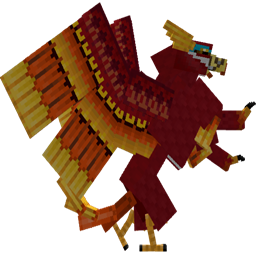
Credit: www.curseforge.com
Dire Wolf Mythic Mounts: Pros And Cons
Is a Dire Wolf right for you? Weigh the advantages and disadvantages.
| Pros | Cons |
|---|---|
| Strong loyalty | Difficult to tame |
| High stamina | Needs lots of food |
| Good combat skills | Requires regular care |
| Unique abilities | Cannot fly |
| Rare and prestigious | Expensive to maintain |
If you want a loyal, strong mount and are willing to put in the effort, a Dire Wolf is an excellent choice. However, they are not for everyone.
Dire Wolf Mythic Mounts: Noteworthy Examples
Some Dire Wolves are famous for their deeds. Here are three legendary Dire Wolf mounts:
- Shadowfang: Rode by King Aldren in the Battle of the Black Forest. Known for its stealth and speed.
- Winterclaw: Guarded the Crystal Palace for 50 years. Famous for its endurance and loyalty.
- Stormhowl: Led a pack against invading monsters. Remembered for its combat skills and leadership.
These examples inspire many to seek Dire Wolf mounts, but remind us of the effort and skill required.
Dire Wolf Mythic Mounts In Mythic Competitions
Dire Wolves are often featured in competitions, such as races and obstacle courses. Their speed and agility make them favorites.
Race Statistics
- Dire Wolves win about 60% of ground races against other mythic mounts.
- Average race speed: 35 mph.
- Jump height: Up to 7 feet.
Obstacle Courses
Dire Wolves excel at:
- Dodging obstacles
- Running through rough terrain
- Responding to commands under stress
Their performance in competitions makes them popular among professional trainers.
Dire Wolf Mythic Mounts And Magical Abilities
Some Dire Wolves have magical abilities. These are rare and often passed down through bloodlines.
Common Magical Abilities
- Shadow cloak: Allows the wolf to blend into darkness.
- Healing touch: Heals minor wounds with a lick.
- Danger sense: Detects threats before they appear.
How To Identify Magical Dire Wolves
Look for signs such as:
- Unusual eye color (blue, violet)
- Aura visible at night
- Faster healing after injuries
Magical Dire Wolves are even harder to tame. They require extra patience and care.
Dire Wolf Mythic Mounts: Costs And Ownership
Owning a Dire Wolf is expensive. Consider these costs:
Initial Costs
- Finding and taming: Can cost thousands of gold coins or equivalent.
- Equipment: Custom harness and saddle.
Ongoing Costs
- Food: High-protein diet, about $300–$500 per month.
- Health care: Mythic veterinarian visits.
- Shelter maintenance: Repairs and bedding.
| Expense | Monthly Cost | Annual Cost |
|---|---|---|
| Food | $400 | $4,800 |
| Health care | $200 | $2,400 |
| Shelter | $100 | $1,200 |
| Equipment | N/A (one-time) | $2,000 |
Make sure you are ready for the responsibility before starting the taming process.
Dire Wolf Mythic Mounts: Legal And Ethical Considerations
Dire Wolves are protected in many areas. You must follow laws and ethical guidelines.
Legal Rules
- Permits are required in most regions.
- Dire Wolves cannot be used for illegal activities.
- Inspections are common to check for proper care.
Ethical Guidelines
- Never use harsh training methods.
- Provide proper food, shelter, and medical care.
- Avoid separating Dire Wolves from their packs unless necessary.
- Non-obvious insight: Some mythic societies require proof of training skills before allowing ownership.
For more information on animal ethics, visit ASPCA.
Frequently Asked Questions
What Is The Best Age To Tame A Dire Wolf Mythic Mount?
The best age is 2–3 years old. At this age, Dire Wolves are young enough to learn quickly but old enough to be strong and healthy. Older wolves are harder to tame, while younger ones may lack stamina.
How Long Does It Take To Tame A Dire Wolf Mythic Mount?
It usually takes 2–4 weeks to build trust and complete the taming process. Some Dire Wolves take longer, especially if they are wild or aggressive. Patience is key.
Can Dire Wolf Mythic Mounts Be Used In Competitions?
Yes. Dire Wolves are popular in races and obstacle courses because of their speed and agility. Many professional trainers prefer them for their reliability and stamina.
Are Dire Wolf Mythic Mounts Safe For Beginners?
Dire Wolves are not recommended for beginners. They are powerful and require advanced training skills. Beginners should start with easier mounts and gain experience before attempting to tame a Dire Wolf.
Do Dire Wolf Mythic Mounts Get Along With Other Animals?
Dire Wolves can get along with other animals if introduced slowly and trained properly. They are pack animals and often accept other mounts, but aggression can occur if not handled carefully.
Taming a Dire Wolf Mythic Mount is a challenging journey, but it is also rewarding. With patience, skill, and dedication, you can build a strong bond with one of the most legendary creatures in the mythic world. Each step in the process brings you closer to a loyal companion that will stand by your side in adventure, battle, and discovery.
If you are ready for the responsibility, the Dire Wolf will reward you with unmatched loyalty and strength.