
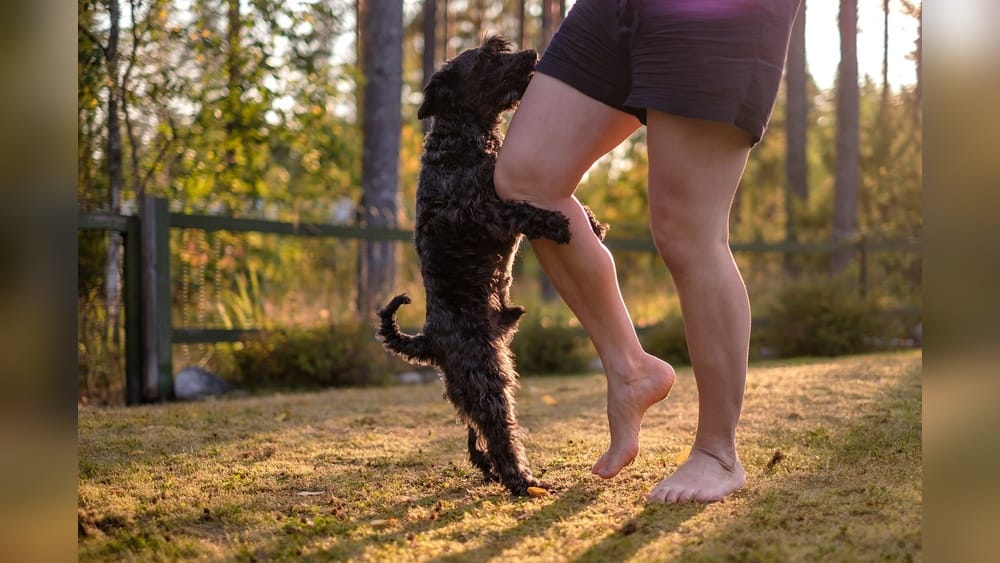
Dog owners often feel surprised, confused, or even embarrassed when they see their pet mounting—whether it’s another dog, a pillow, or even a human leg. For decades, the idea that mounting equals dominance has been widespread, but is it really that simple? The truth is, dog mounting behavior is more complex than most people think. Understanding what mounting really means can help you respond better, improve your dog’s social life, and even prevent future behavior problems.
This article will explore the causes of mounting, break down the dominance myth, and give you practical advice for handling this behavior. We’ll examine scientific studies, compare mounting to other dog behaviors, and discuss when to be concerned. By the end, you’ll have a clear, modern understanding of what mounting really means for your dog.
What Is Dog Mounting?
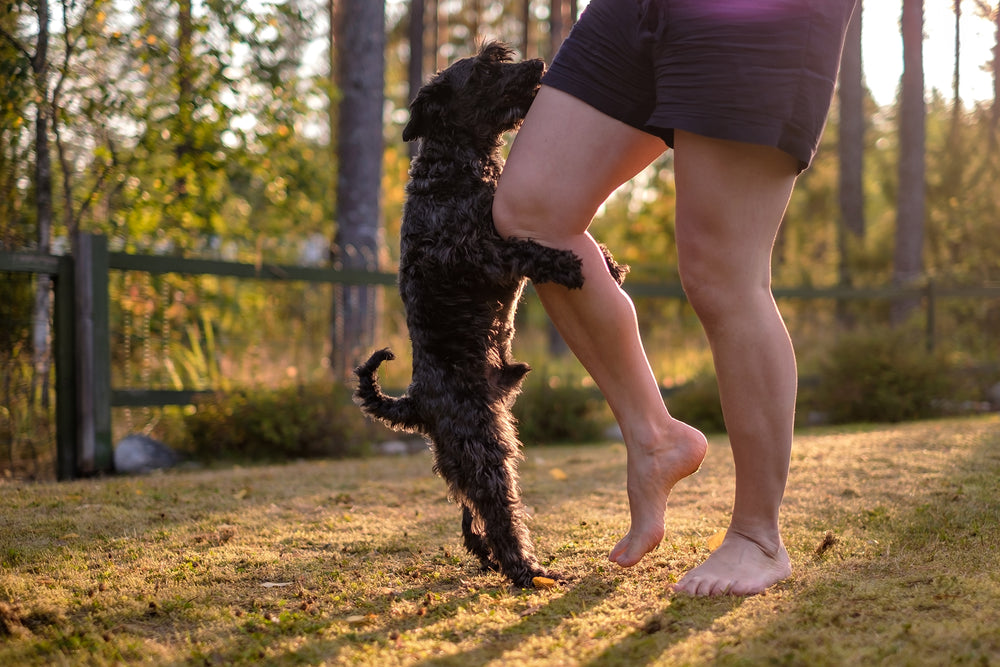
Dog mounting, sometimes called humping, is when a dog stands on its hind legs and thrusts its hips against something or someone. This can include:
- Other dogs (male or female)
- People (often legs)
- Objects (pillows, toys, furniture)
Mounting is a normal canine behavior seen in both male and female dogs, and at all ages. It’s not exclusive to unneutered males, as many people believe. Puppies as young as a few weeks old may try to mount during play, and senior dogs sometimes do it too.
The Dominance Theory: Where Did It Come From?
For many years, people explained most dog behaviors through the idea of dominance. This theory became popular in the 20th century, based on studies of captive wolf packs. The belief was that dogs, as wolf descendants, constantly fight for higher rank in a pack, and mounting is one way to show who’s boss.
However, recent research challenges this view:
- Wolves in the wild don’t behave like wolves in captivity; their social systems are more family-based than dominance-driven.
- Dogs have evolved away from wolves and don’t form packs with strict hierarchies in homes.
Modern animal behaviorists now consider the dominance theory outdated for most situations. Mounting, they say, is rarely about trying to control or dominate.
Credit: nativepet.com
The Many Reasons Dogs Mount
Mounting is multifunctional. Dogs do it for a variety of reasons, and dominance is only a small part—if at all.
1. Play Behavior
Puppies and young dogs often mount each other during play. It’s a way to practice social skills and burn energy. Both males and females do this. Usually, there is no aggression involved, and the dogs switch roles, taking turns mounting and being mounted.
2. Sexual Behavior
Mounting is a sexual behavior in unneutered dogs, especially males. It’s how dogs mate. However, even spayed and neutered dogs may mount, showing it’s not purely sexual.
3. Excitement Or Overstimulation
Many dogs mount when they get very excited. This can happen during greetings, play with new dogs, or even when visitors arrive. The dog may not know how to handle strong feelings, so mounting is a release.
4. Stress Or Anxiety
Mounting can also be a stress-relief behavior. When a dog feels anxious, it may hump to self-soothe. This is common in dogs that are left alone a lot, or in new, uncertain situations.
5. Attention-seeking
Some dogs discover that mounting gets a reaction—whether laughs, shouts, or being chased away. They may use it to get attention from people or other pets.
6. Medical Causes
Rarely, medical problems like urinary tract infections, skin allergies, or hormone imbalances can cause mounting. If the behavior is sudden, frequent, or obsessive, a vet check is wise.
7. Compulsive Disorder
In a few cases, dogs develop compulsive mounting (a kind of canine OCD). They mount objects or people excessively, even when alone, and struggle to stop. This is uncommon but serious.
Comparing Mounting To Other Dog Behaviors
Mounting is just one of many ways dogs interact. It can be helpful to see how it compares to other canine social behaviors.
| Behavior | Possible Meanings | Common Contexts |
|---|---|---|
| Mounting | Play, sexual, stress, excitement, dominance (rarely) | Play sessions, greetings, boredom, medical issues |
| Play bow | Invitation to play | Dog parks, home play |
| Sniffing | Information gathering, greeting | First meetings, walks |
| Growling | Warning, fear, play (if soft and bouncy) | Guarding, rough play, stress |
| Licking | Affection, appeasement, taste | Grooming, greetings |
As you can see, mounting is not the only way dogs communicate. Context is important to understand what your dog is “saying. ”
Is Mounting Really Dominance? What Science Says
Research shows that mounting is rarely a clear sign of dominance. In one study of dog parks, scientists found that mounting was most often related to play or excitement, not social status.
A 2011 study in the journal “Animal Behaviour” observed over 400 mounting incidents and found:
- Most mounting happened during play, with little aggression.
- Both dominant and submissive dogs mounted.
- Mounting didn’t guarantee higher status.
Another study in 2014 (“Applied Animal Behaviour Science”) reported similar results: mounting was not a reliable indicator of social rank.
When Can Mounting Be About Dominance?
While rare, there are situations where mounting might have a dominance element, usually among adult dogs that don’t know each other well. For example, if one dog persistently mounts another and also shows:
- Blocking access to food or toys
- Standing tall, stiff body posture
- Direct, hard staring
In these cases, the mounting may be a way to test boundaries or establish control. However, this is far less common than many believe.
Sex, Age, And Neutering: Who Mounts Most?
Both male and female dogs mount. Neutering can reduce some sexual mounting, but does not stop mounting for other reasons.
| Dog Type | Mounting Frequency | Typical Contexts |
|---|---|---|
| Unneutered Males | High | Sexual, play, excitement |
| Neutered Males | Medium | Play, excitement, stress |
| Females (spayed or not) | Low to medium | Play, attention, stress |
| Puppies | Medium | Play, learning |
| Senior Dogs | Low | Boredom, medical issues |
Non-obvious Insights Most Owners Miss
Many dog owners focus only on the visible act of mounting and miss important background details.
- Body language matters: Dogs give many signals before and during mounting. If the dog’s tail is wagging loosely, mouth open, and body wiggly, it’s likely play. If the body is stiff, tail up, and ears forward, it could be more serious.
- Who started it? Often, the dog being mounted invited play first. Mounting can be a response to another dog’s excitement, not an attack.
- Switching roles: In healthy play, dogs swap roles. If only one dog always mounts, watch for signs of stress in the other.
- Human reactions: Yelling or laughing can accidentally reinforce the behavior, making it more likely to happen again.
When Is Mounting A Problem?
Mounting is usually normal, but sometimes needs attention if:
- It happens constantly, even when alone.
- It causes fights between dogs.
- The mounted dog looks scared, tries to escape, or growls.
- The dog mounts people, especially children or guests.
- The dog ignores commands to stop.
In these cases, mounting may be a sign of stress, anxiety, lack of training, or a medical issue.
How To Respond To Dog Mounting
If your dog mounts occasionally during play, and all dogs are happy, there’s often no need to intervene. However, if mounting is frequent, unwanted, or causing problems, try these steps:
1. Stay Calm
Don’t yell or punish. This can increase anxiety and make the problem worse.
2. Interrupt And Redirect
Gently call your dog away or offer a toy. Teach a simple command like “leave it” or “come. ”
3. Watch For Triggers
Notice when and where mounting happens. Is your dog bored, anxious, or overexcited? Try to reduce those triggers.
4. Reward Good Behavior
Praise your dog when it plays nicely without mounting or listens to your commands.
5. Provide Exercise And Mental Stimulation
Tired dogs are less likely to mount out of boredom. Walks, puzzle toys, and training games can help.
6. Socialization
Expose your dog to different dogs, places, and experiences in a controlled way. This can reduce excitement and anxiety.
7. Consult A Professional
If mounting is severe or compulsive, ask a veterinarian or certified dog trainer for help. Medical problems should always be ruled out.

Credit: www.dutch.com
Mounting Between Dogs: Reading The Situation
Not all dogs mind being mounted, but some do. Pay attention to the body language of both dogs:
- Relaxed: Loose bodies, play bows, wagging tails. Likely playful.
- Uncomfortable: One dog moves away, tucks tail, yawns, or shows teeth. Time to separate them.
If the mounted dog seems stressed, distract and separate the dogs. Never force dogs to “work it out” if there’s a risk of a fight.
Human Reactions: Why Yelling Or Laughing Backfires
People often shout, laugh, or push their dog away when mounting happens. But dogs may see this as attention—even negative attention can reinforce the behavior.
Instead, use calm, consistent redirection. Quietly lead the dog away or ask for a command, and only give attention when the dog is calm.
Medical Issues That Cause Mounting
If mounting starts suddenly, increases a lot, or happens with licking, scooting, or other odd behaviors, see your vet. Possible causes include:
- Urinary tract infections
- Anal gland problems
- Allergies or itchy skin
- Hormone imbalances
- Pain or discomfort
A full check-up ensures you’re not missing a treatable health problem.
Does Neutering Or Spaying Stop Mounting?
Neutering (males) or spaying (females) can reduce mounting related to sexual drive, especially if done before puberty. However, it does not eliminate all mounting. Dogs may continue for play, stress, or habit.
In one study, about 40% of neutered dogs still mounted after surgery, but less often. The earlier the surgery, the more likely mounting will decrease.
Mounting Objects: Toys, Pillows, And More
Dogs sometimes mount objects, not just living things. This usually means:
- The dog is bored and needs more activity.
- The dog is self-soothing due to stress.
- The dog enjoys the sensation.
Unless it becomes obsessive or is embarrassing, this is usually harmless. However, if it is frequent or damages objects, increase your dog’s daily exercise and mental stimulation.
Mounting People: What It Means
Mounting people can be embarrassing, but it’s rarely about control. It’s usually a way to get attention, express excitement, or relieve stress. Dogs often do this to familiar people when they feel overwhelmed or want a reaction.
To stop it:
- Stay calm and ignore the behavior. Turn away or stand up.
- Give your dog an alternative, like a toy or a command (“sit”).
- Reward calm behavior.
- Prevent access if needed (use baby gates or leashes during greetings).
Mounting In Multi-dog Households
If you have more than one dog, mounting may be part of their normal interactions. Watch closely:
- If both dogs seem happy and swap roles, it’s likely play.
- If one dog always mounts and the other tries to escape, intervene.
- Prevent fights by redirecting mounting before it escalates.
Dogs may also mount to get your attention if you pet another dog. Give each dog individual time and attention.
Breed Differences: Do Some Dogs Mount More?
Some breeds are more energetic and prone to mounting, especially those bred for active work. However, there is no strong scientific evidence that specific breeds are more “dominant” through mounting.
High-energy breeds (like Labrador Retrievers, Boxers, or Terriers) may mount more simply because they have more play drive and excitement.
Puppy Mounting: Should You Worry?
Puppies mount during play as a normal way to learn social skills. It’s rarely a sign of future problems. However, if a puppy only mounts and never plays any other way, redirect gently to teach better manners.
Puppy classes are a great way to teach proper play and reduce unwanted mounting.
Common Myths About Dog Mounting
Let’s bust a few myths:
- Mounting always means dominance: False. Most mounting is about play, excitement, or stress.
- Only unneutered males mount: False. All sexes and ages can mount.
- Mounting is always bad: False. It’s normal unless it’s excessive or causes problems.
- You should punish mounting: False. Punishment can increase anxiety and make things worse.
How Experts View Mounting Today
Modern trainers and behaviorists now see mounting as a normal, context-dependent behavior. The focus is on the dog’s emotional state, not ranking.
The American Veterinary Society of Animal Behavior (AVSAB) and leading trainers recommend:
- Observe both dogs’ reactions.
- Redirect gently if needed.
- Avoid harsh punishment.
- Seek professional help if mounting becomes compulsive or causes fights.
For further reading, see this resource from the American Veterinary Society of Animal Behavior.
Case Studies: Real-life Examples
Case 1: The Overexcited Greeter
Max, a 2-year-old neutered male Labrador, jumped and mounted guests’ legs whenever someone entered the house. His owners yelled, but he kept doing it. The solution: they taught Max to sit for treats during greetings. The mounting stopped within weeks.
Case 2: The Playful Puppy
Luna, a 5-month-old female Goldendoodle, mounted other puppies at playgroup. Trainers observed that Luna and her playmates swapped roles and seemed happy. No action was needed; Luna outgrew the behavior as she matured.
Case 3: The Anxious Hummer
Charlie, a 4-year-old neutered male, began mounting his bed obsessively after the family moved to a new home. The vet ruled out health problems. With increased exercise, calming routines, and puzzle toys, Charlie’s mounting decreased.
Mounting Across Cultures: Different Views
In some countries, mounting is considered more serious or shameful; in others, it’s viewed as a normal part of canine life. Cultural attitudes can affect how owners react, but the dog’s needs remain the same everywhere.
Practical Tips For Owners
- Stay calm. Dogs respond better to quiet, consistent cues.
- Redirect early. Interrupt mounting before it becomes a habit.
- Give alternatives. Teach commands like “sit,” “down,” or offer toys.
- Increase exercise. Physical and mental activity reduce excess energy.
- Monitor play. Step in if either dog seems unhappy or stressed.
- Train visitors. Ask guests to ignore your dog if mounting happens.
- Seek help. For serious or ongoing issues, consult a vet or certified trainer.
When To See A Professional
Contact a veterinarian or certified behaviorist if:
- Mounting is sudden, frequent, or obsessive.
- Your dog can’t be distracted or stopped.
- It causes fights or injuries.
- There are other behavior changes (aggression, fear, restlessness).
Early help can prevent bigger problems.
Summary Table: Dog Mounting At A Glance
Here’s a quick reference for what mounting might mean.
| Mounting Context | Most Likely Meaning | Action Needed? |
|---|---|---|
| Play with other dogs | Normal play behavior | Watch, but usually no action |
| Mounting objects (toys, pillows) | Boredom, self-soothing | Increase activity, redirect gently |
| Mounting people | Excitement, attention-seeking | Ignore, redirect, train calm greetings |
| Sudden or obsessive mounting | Possible medical issue or anxiety | See a vet or behaviorist |
| Mounting with aggression | Rare dominance or resource guarding | Professional help needed |
The Takeaway: Understanding Your Dog
Mounting is a complex, normal dog behavior with many possible causes. Dominance is rarely the main reason. Most mounting is about play, excitement, stress, or habit. The best way to respond is to stay calm, observe both dogs, and gently redirect when needed.
Understanding your dog’s body language and context is more important than old ideas about pack hierarchy. If mounting is causing problems or distress, don’t hesitate to seek professional advice.
With patience, training, and a modern approach, you can help your dog express themselves in healthier ways—making life happier for both of you.
Frequently Asked Questions
Why Does My Neutered Dog Still Mount?
Neutering reduces sexual mounting but does not stop mounting for play, excitement, or stress. It’s a normal behavior that can happen in both neutered males and females.
Is It Okay To Let Dogs Mount Each Other During Play?
If both dogs seem relaxed and happy, occasional mounting is usually fine. Step in if one dog looks uncomfortable, scared, or if mounting leads to fights.
Can Mounting Be A Sign Of Illness?
Yes. Sudden or obsessive mounting can be caused by medical problems like urinary tract infections, allergies, or pain. If you’re concerned, see your vet.
How Can I Stop My Dog From Mounting Guests?
Teach your dog a calm greeting routine, like sitting for treats. Ignore unwanted mounting, redirect to a toy or command, and reward calm behavior. Consistency is key.
Does Mounting Mean My Dog Is Aggressive?
Most mounting is not aggressive. Look for other signs like growling, stiff posture, or guarding behavior. If aggression is present, seek professional help.
:strip_icc()/why-do-dogs-hump-1118299_final-618ca6d647cc4517b66010e77abc2a38.jpg)
Credit: www.thesprucepets.com