
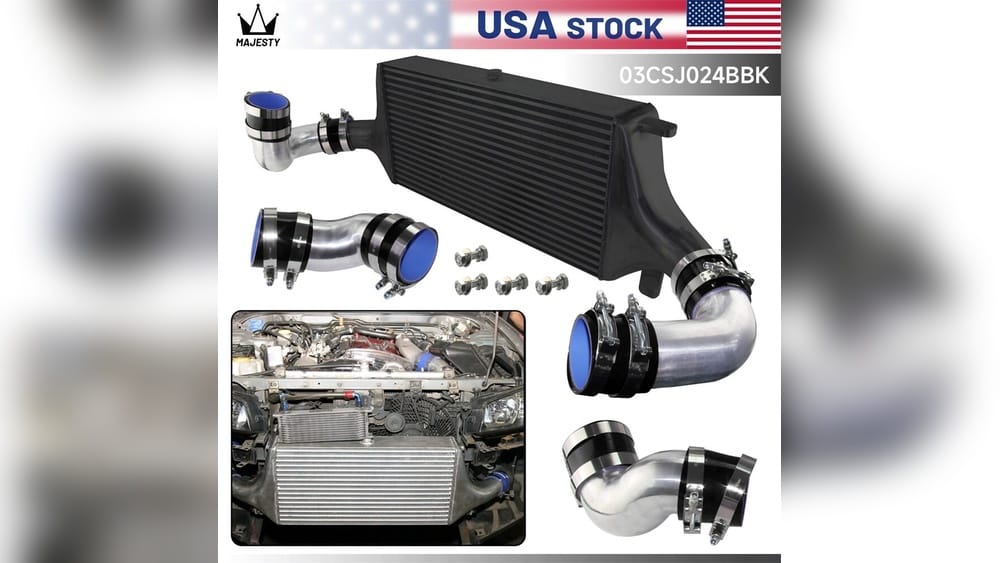
The Nissan Skyline R33 is a legend among car enthusiasts, known for its strong performance and timeless design. Many owners and tuners wonder about the stock R33 front mount intercooler—is it good enough for most needs, or does it fall short when pushed harder? This article will look at 33 key aspects of the R33’s factory front mount intercooler, from its real-world cooling ability to upgrade options, and help you decide if it’s right for your build. Whether you’re new to Skylines or already own one, you’ll find practical advice, data, and honest insights on each point.
1. Cooling Efficiency
The main job of the front mount intercooler is to cool the air before it enters the engine. The stock R33 intercooler uses aluminum fins and tanks that provide solid heat exchange for factory power levels. In most cases, you’ll see intake air temperatures drop by 30–40°F compared to no intercooler. This temperature reduction helps prevent engine knock and allows the engine to run more efficiently.
However, when boost is increased or the car is used for track days, cooling efficiency can drop, leading to higher intake temps. This is especially true during long sessions where the engine is under heavy load. For example, after four or five back-to-back acceleration runs, you may notice the car feels less powerful.
This is because the intercooler starts to “heat soak”—it can’t shed heat fast enough, so intake air temps rise.
A small but helpful tip: Some owners install water spray kits or ducting to help keep the stock intercooler cooler during extreme use. These solutions can add a little extra cooling for those who don’t want to upgrade yet.
2. Factory Build Quality
Nissan built the R33 intercooler with durability in mind. The welds, end tanks, and overall finish are better than many aftermarket budget options. It resists corrosion and can survive years of daily driving. Rarely do owners report leaks or cracks unless the car has suffered front-end damage.
The aluminum construction also means it’s less likely to rust compared to steel or iron. Many original R33 intercoolers are still in perfect condition, even after decades. Some owners even find that the intercooler outlasts other parts like hoses or clamps.
This level of reliability is one reason why many enthusiasts stick with the factory part unless there’s a real need to upgrade.
3. Pressure Drop
One hidden factor is pressure drop across the intercooler. The stock R33 unit is designed for minimal loss, usually just 0.5–1 PSI at factory boost. This helps keep throttle response sharp, especially in everyday driving and spirited runs. A low pressure drop means the turbo doesn’t have to work as hard to push air through the system.
Upgraded or larger intercoolers can sometimes cause more pressure drop, hurting low-end power unless matched with a bigger turbo. For example, a thick aftermarket bar-and-plate intercooler might drop pressure by 1. 5–2 PSI, which can be felt as a slight hesitation before boost comes on strong.
This is why matching your intercooler to your turbo and goals is important—bigger is not always better.
4. Size And Core Design
The R33 intercooler measures about 600mm x 235mm x 65mm (23.6” x 9.3” x 2.6”). It’s a tube-and-fin design, balancing weight and airflow. Tube-and-fin cores are lighter and allow more air to pass through to the radiator, helping with cooling the engine as well.
This size is enough for stock engines but can become a bottleneck at over 350 horsepower. Once you push the engine harder, the core simply can’t remove enough heat, and restriction increases. Some tuners swap the stock unit for a bar-and-plate design, which is heavier but cools better under extreme conditions.
One detail many miss: The shape and thickness of the core also affect how easily you can fit aftermarket piping. If you want to keep things simple, the OEM core is the easiest to work with.
5. Performance In Hot Climates
In places with high ambient temperatures, the stock intercooler can struggle. Intake air temperatures rise faster, especially in stop-and-go traffic or repeated hard pulls. Some owners notice mild heat soak, where the intercooler loses its cooling ability after multiple runs.
For example, in summer traffic, the intercooler will soak up heat from the road, engine, and surrounding air, reducing its ability to cool incoming air. After a few minutes of heavy driving, the difference in power can be obvious.
One way to help in hot climates is to make sure the intercooler is clean and free of debris. Also, some owners add simple ducting or even cold air intakes to direct more outside air onto the core, which helps performance.
6. Impact On Turbo Response
A smaller intercooler like the R33 stock unit means less volume to fill, so turbo lag is minimal. Many upgraded intercoolers add noticeable lag, especially with stock turbo setups. For street use, the factory unit keeps response lively.
Turbo lag is the time it takes for the turbo to build pressure after you press the throttle. With a smaller intercooler, the system fills with pressurized air more quickly, making the car feel more responsive. If you’re doing city driving or enjoy zippy acceleration, this quick response is a real benefit.
Some owners report that after installing a large aftermarket intercooler, the car feels slower to react at low RPMs. This is less of a problem at high power, but it’s something street drivers notice.
7. Reliability Over Time
Owners report the R33 intercooler lasting over 100,000 miles with no issues. It’s rare to see problems unless the car is heavily modified or has suffered an accident. Even in older Skylines, the intercooler often works as well as new.
A few owners have found minor leaks after crashes or from using incorrect mounting bolts, but this is not a design flaw. It’s a result of rough handling or poor repair work. Compared to some aftermarket units, which can crack at the welds or suffer from cheap materials, the Nissan part is built to last.
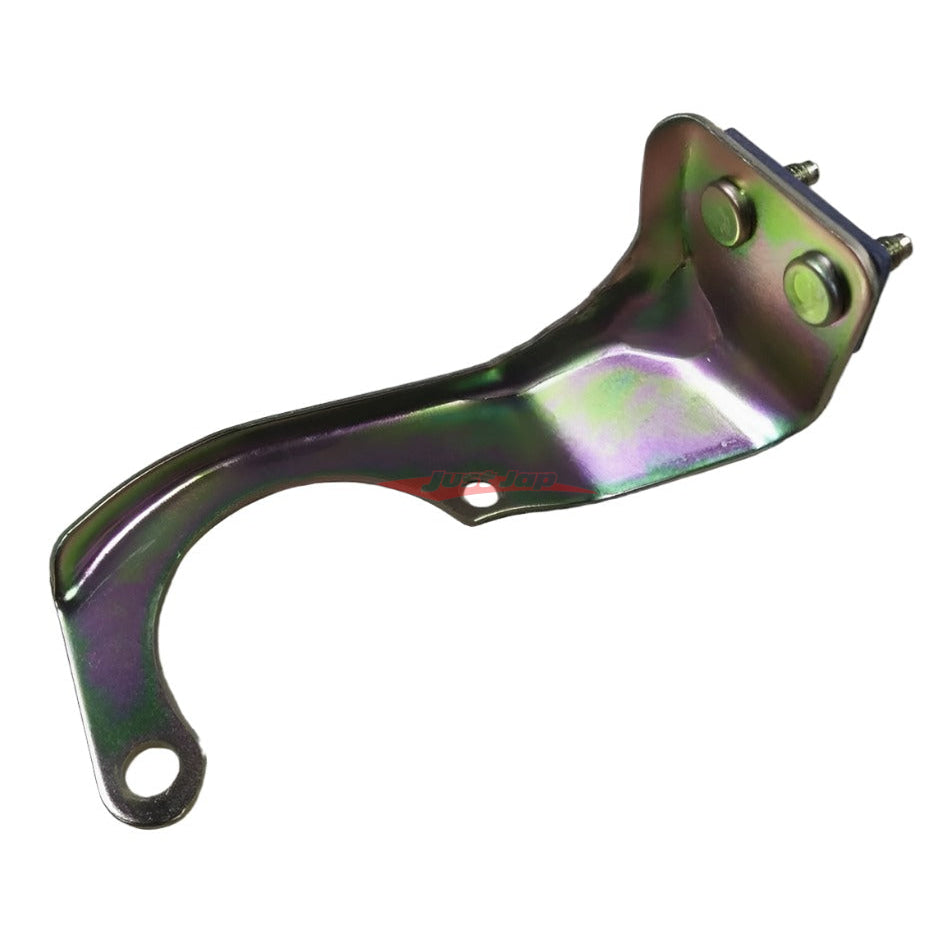
One overlooked point: The rubber mounts and brackets that hold the intercooler can wear out. Replacing these with fresh OEM parts keeps everything tight and vibration-free.
8. Compatibility With Aftermarket Upgrades
If you upgrade turbo or increase boost, the stock intercooler can become a weak link. Most tuners suggest replacing it once you exceed 350–400 horsepower. However, for mild upgrades like an exhaust or intake, the factory unit is still up to the task.
For example, adding a cat-back exhaust, high-flow air filter, or even a mild boost controller will not overwhelm the stock intercooler. It’s only when you add bigger injectors, turbos, or run high boost (over 14 psi) that you really need more cooling.
Also, some aftermarket intercoolers are designed to use the stock piping and mounts, making the upgrade process less painful if you eventually decide to go that route.

Credit: www.ebay.com
9. Weight Considerations
The R33 stock intercooler weighs about 7–8 kg (16–18 lbs). This is lighter than many aftermarket bar-and-plate options, which can weigh 25 lbs or more. For cars where weight matters, such as track or autocross builds, the factory unit is a good choice.
Reducing weight at the front of the car can improve steering feel and balance. Some serious track cars even use lightweight racing intercoolers, but for most, the OEM weight is a smart middle ground.
People sometimes forget that adding a heavy intercooler up front can change the way the car handles, especially under quick direction changes. Lighter is usually better unless you truly need the extra cooling.
10. Oem Fitment
One big advantage is perfect fitment. The stock intercooler bolts directly to the factory mounts, uses OEM piping, and fits behind the bumper with no modifications. Aftermarket units can require trimming or custom brackets.
This is a big time-saver for DIY owners. You avoid the headache of cutting bumper supports, modifying shrouds, or adjusting crash bars. Everything lines up, and the car looks factory. If you plan to restore the car in the future or sell it as original, keeping the OEM fitment is a plus.
11. Airflow To Radiator
Because the R33 intercooler is relatively thin, it allows more airflow to the radiator behind it. Overly thick aftermarket intercoolers can block air, causing higher coolant temps and even overheating in some cases.
This is especially important for cars used in traffic, hot climates, or on the track. Blocking airflow to the radiator can cause the engine to run hotter, which is bad for reliability and performance.
One small detail: If you install an aftermarket intercooler, always check your coolant temps after installation. If they rise, you may need to add ducting or a better radiator to balance things out.
12. Appearance And Aesthetics
Some people love the OEM look—the stock intercooler is subtle and doesn’t attract unwanted attention. Aftermarket units with larger faces can make the car look more aggressive, but may also draw scrutiny from police or emissions testers.
For those who live in areas with strict vehicle inspections or who want to keep their car under the radar, the factory intercooler is ideal. It doesn’t scream “modified,” so you’re less likely to get pulled over or questioned.
On the other hand, some enthusiasts enjoy the bold, performance look of a big, shiny intercooler behind the bumper. It’s a matter of personal taste and local rules.
13. Street Vs Track Use
For street driving, the factory intercooler is more than enough. On the track, especially during long sessions, heat soak can become a problem. Intake temperatures may rise, leading to power loss or even engine knock if not managed.
If you attend only occasional track days, you can often manage with the OEM part by taking cool-down laps or spacing out your runs. But for serious racing, especially with power upgrades, you’ll want a larger core.
A practical tip: Many track drivers keep a spare aftermarket intercooler for events and swap back to the stock unit for street use to stay stealthy and legal.
14. Noise And Sound
The stock unit is quiet, with little turbo flutter or whoosh noise. Upgraded units, especially with larger piping, can increase intake noise. For those who want a sleeper, the factory intercooler keeps the car subtle.
Some people enjoy the louder whoosh and flutter from bigger intercoolers and open intakes, but for daily use, the subtle sound of the stock setup is less tiring and attracts less attention. It’s also less likely to annoy neighbors or passengers.
15. Upgrade Cost Comparison
Replacing the stock intercooler with a quality aftermarket unit can cost $400–$1,200, including piping and installation. For many owners, this money is better spent elsewhere unless you plan serious power increases.
It’s important to remember that a bigger intercooler alone won’t add power unless you’re already pushing the limits of the stock unit. Many beginners spend money on upgrades before they’re needed, rather than on maintenance or other performance parts.
If you do upgrade, be sure to budget for things like new piping, clamps, and possibly retuning the ECU, all of which add to the cost.
16. Resale Value
Keeping the stock intercooler can help maintain resale value. Many buyers prefer original cars, and a factory intercooler signals the car hasn’t been heavily modified. This can mean a higher price if you sell later.
Collectors and Skyline enthusiasts often pay a premium for cars with all original equipment. If you plan to restore or sell your car in the future, keeping the OEM intercooler and storing any aftermarket parts is a smart move.
Credit: justjap.com
17. Cleaning And Maintenance
The R33 intercooler is easy to clean. Bugs, dirt, and debris can be removed with a hose and soft brush. Inside, oil buildup from blow-by is rare unless the engine is worn. Regular cleaning keeps performance optimal.
One tip: Check the intercooler for bent fins, which can block airflow. Use a fin comb or small screwdriver to straighten them gently. Also, check the inside for oil or water, which can indicate engine problems or leaks.
18. Cold Weather Performance
In colder climates, the factory intercooler is more than enough. Intake air temps stay low, and heat soak is almost never an issue. Upgrading provides little benefit unless you’re running high boost.
In fact, in very cold weather, a larger intercooler can actually over-cool the intake air, causing drivability problems until the engine warms up. For daily drivers in cold areas, the stock unit is ideal.
19. Common Owner Mistakes
A frequent mistake is upgrading the intercooler too early. If the car is stock or lightly tuned, a bigger intercooler can actually reduce throttle response. Another mistake is using cheap aftermarket units that don’t fit well or leak.
It’s tempting to chase big performance parts, but for most owners, waiting until you actually need more cooling is best. Also, always check the fit and finish of aftermarket parts before installing—poor fitment can cause headaches and lost time.
20. Comparison To R34 Intercooler
The R34 GT-R intercooler is larger and more efficient, but the R33 stock unit holds its own for daily use. Unless you’re chasing big power, the R33 intercooler is just as reliable and easier to fit.
The R34 unit is a popular upgrade because it bolts up with minor modifications and offers a little extra cooling. But it is heavier and more expensive. For most owners, the difference in real-world driving is small.
| Model | Core Size (mm) | Max HP | Pressure Drop |
|---|---|---|---|
| R33 Stock | 600x235x65 | ~350 | 0.5–1 PSI |
| R34 Stock | 600x300x80 | ~420 | 0.7–1.2 PSI |
21. Upgrade Path
If you plan to upgrade, the factory piping can be reused with some aftermarket intercoolers. However, larger cores often require new piping and brackets. Decide early if you want to keep things OEM or move to a full custom setup.
A smart approach is to plan your build from the start. If you know you’ll eventually want 500+ hp, it’s better to upgrade piping and intercooler together. But if you’re staying under 350 hp, sticking with stock parts saves money and hassle.
22. Intercooler Leak Detection
Leaks in the intercooler can cause power loss and rough running. The stock unit rarely leaks, but if you suspect a problem, use a pressure tester. Look for oil residue or hissing sounds—these are signs of a leak.
Another symptom is seeing boost levels drop or noticing that the car feels slower, especially at higher RPMs. Regular inspection, especially after any front-end impacts, is important for peace of mind.
If you do find a leak, it’s usually easier and cheaper to replace the intercooler than to repair it.
23. Effect On Fuel Economy
The factory intercooler is optimized for efficiency. Bigger units can reduce fuel economy by increasing drag and weight. For daily drivers, the stock unit is the best balance of performance and economy.
Some owners have noticed a drop of 1–2 mpg after switching to heavy, thick aftermarket intercoolers, especially if the car is used mostly in traffic or at low speeds.
24. Insurance And Legal Issues
Some insurance companies look for modifications. The stock intercooler is not seen as a performance mod, so your premiums stay low. Aftermarket upgrades can raise rates and sometimes affect legal compliance, especially in strict states.
For example, in countries or regions with strict emissions or vehicle inspection laws, a visibly modified intercooler can attract attention and cause trouble. Always check local laws before upgrading.
25. Supporting Mods
If you upgrade the intercooler, you may need to upgrade supporting parts like piping, clamps, and even tuning. The stock unit works well with factory parts. Aftermarket upgrades often require more changes.
This means more time, money, and possible tuning adjustments. For example, a larger intercooler may need a tune to keep the air-fuel ratio safe and power delivery smooth.
26. Data From Dyno Tests
Dyno testing shows the stock R33 intercooler supports up to 330–350 hp before intake air temps start to climb. Power loss is minimal up to this point, but at higher boost levels, aftermarket units show 10–20 hp gains.
Some dyno runs reveal that at 15 psi boost, the stock intercooler keeps intake temps in the safe range (under 120°F) for short bursts. But after several pulls or with more boost, temps rise quickly, and the ECU may pull timing to protect the engine, costing power.

Credit: skylinespares.com.au
27. Real-world User Experiences
Owners report that with stock or mild tune, the R33 intercooler keeps intake air temps steady. Only after hard track use or repeated pulls does performance drop. Most daily drivers never notice a problem.
Some share that even after installing exhaust, intake, and mild boost upgrades, the car stays reliable and fun with the OEM unit. Only those pushing for 400+ hp or racing see the limits of the factory intercooler.
28. Aftermarket Alternatives
Popular alternatives include HKS, Greddy, and ARC intercoolers. These offer bigger cores, better cooling, and higher power limits, but often require custom fitting. Prices can range from $500 to $1,500.
One thing many overlook: Not all aftermarket kits include everything needed for installation. Some require extra piping, mounting hardware, or even trimming the bumper. Always check what’s included before buying.
| Brand | Core Size (mm) | Estimated Max HP | Price (USD) |
|---|---|---|---|
| HKS | 600x300x76 | ~500 | 950 |
| Greddy | 600x300x80 | ~550 | 1100 |
| ARC | 650x320x75 | ~600 | 1350 |
29. Engine Safety And Knock Prevention
A cool intake charge prevents engine knock (detonation). The stock R33 intercooler is good up to 350 hp, but above this, intake temps can rise, increasing knock risk. Upgraded units help keep temps safe at higher power.
Modern ECUs can reduce timing and boost if they detect knock, but this also reduces power. A well-matched intercooler keeps intake temps in the safe zone, letting you run more boost and timing without risk.
30. Turbo Compatibility
The factory intercooler is matched to the stock turbo. If you install a bigger turbo, especially with higher boost, the intercooler can become restrictive. For mild turbo upgrades, it’s still suitable, but for big power, upgrade is needed.
For example, a popular turbo upgrade like a Garrett GT-RS can work with the stock intercooler up to about 350 hp. Beyond that, the turbo’s full potential is held back by rising intake temps and pressure drop.
31. Intercooler Location Benefits
Front mount placement gives the R33 intercooler direct airflow. This is much better than side mount designs, which suffer from heat soak. The location is ideal for street use and moderate track days.
Direct airflow means the intercooler can cool the charge air as soon as it leaves the turbo, maximizing efficiency. This is one reason why the R33 is so tunable compared to earlier Skylines.
32. Environmental Impact
The stock R33 intercooler is made from recyclable aluminum, with minimal environmental impact. Aftermarket units use similar materials, but larger cores mean more resource use. Keeping the OEM unit is a greener option.
If you care about sustainability, remember that making, shipping, and installing new parts uses energy and resources. Sometimes, the best choice is to keep and maintain what you already have.
33. Community And Tuner Opinions
Most Skyline owners and tuners agree: the stock R33 front mount intercooler is good for daily driving, mild tuning, and OEM reliability. Only serious builds or track cars benefit from upgrades. Many recommend keeping it until you hit power limits.
It’s common to see 400–450 hp builds still using the stock intercooler for daily driving, with only occasional heat soak. The community values the balance, fitment, and reliability of the factory part.
| Power Level | Recommended Intercooler | Notes |
|---|---|---|
| Stock – 350 hp | OEM R33 | Reliable, no mods needed |
| 350 – 500 hp | Aftermarket | Better cooling, custom fit |
| 500+ hp | Large aftermarket | Essential for safety |
Frequently Asked Questions
Is The Stock R33 Front Mount Intercooler Enough For Daily Driving?
Yes. For daily driving and mild tuning, the stock R33 intercooler keeps intake air temperatures low and provides reliable performance. Unless you plan to increase power significantly, you do not need to upgrade.
How Much Horsepower Can The Stock R33 Intercooler Handle?
The factory unit is safe up to about 350 horsepower. Above this, intake air temperatures rise, and power loss or engine knock can occur. For higher power, choose an aftermarket unit.
What Are Signs My Intercooler Needs Replacing?
Common signs include power loss, rough running, visible leaks, or oil residue near the intercooler. If you notice these, use a pressure tester and inspect for damage.
Will Upgrading The Intercooler Improve Throttle Response?
Not always. Larger intercoolers can increase volume, causing more turbo lag. If your car is stock or lightly tuned, the factory unit provides the best throttle response.
Are Aftermarket Intercoolers Worth The Money?
If your build targets over 350 hp, tracks regularly, or runs high boost, an aftermarket intercooler is a smart investment. Otherwise, the stock unit is cost-effective and reliable. For more technical details, see the Nissan Skyline R33 page.
The R33’s stock front mount intercooler is a well-designed, reliable part that suits most owners’ needs. It’s efficient, durable, and fits perfectly for street use and mild tuning. Upgrading only makes sense when chasing bigger power or frequent track days.
For those who value OEM reliability and balance, the factory unit remains a solid choice.