
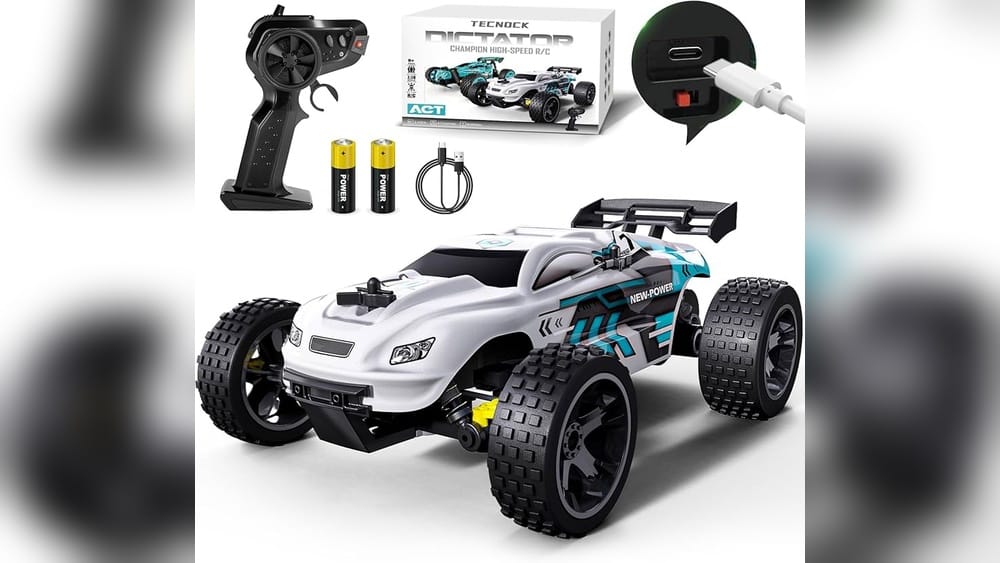
Remote control toys are more than just a way for children to pass time. They combine fun, learning, and technology in a way that makes them popular with kids, teens, and even adults. From simple cars controlled by wired remotes to advanced drones flying through the sky, these toys have come a long way.
Many people love them for their excitement, but they also have hidden benefits, like teaching practical skills and encouraging creativity.
Let’s explore what remote control toys are, how they work, their history, types, benefits, safety tips, and trends. You’ll also find advice on buying, caring for, and getting the most from these toys. Whether you’re a parent, hobbyist, or just curious, this guide will help you understand everything about remote control toys.
What Are Remote Control Toys?
A remote control toy is any toy that you can move or operate from a distance using a handheld device. The device, called a remote controller, sends signals to the toy. This lets you make it move, turn, stop, or do special actions—without touching the toy itself.
Most remote control toys use radio signals to connect the remote and the toy. Some use infrared light or even Bluetooth. The main idea is the same: you press buttons or move sticks on the remote, and the toy reacts.
These toys come in many forms, such as:
- Cars and trucks that race on the ground
- Boats that glide over water
- Helicopters and drones that fly in the air
- Robots that walk, talk, or dance
- Animals that move and make sounds
Some are simple and easy for toddlers. Others are complex, with advanced features for older kids and adults.
A Brief History Of Remote Control Toys
Remote control technology began in the late 19th century. In 1898, Nikola Tesla demonstrated a radio-controlled boat in New York. This was one of the first uses of radio waves for controlling objects from a distance.
The first remote control toys appeared in the 1960s. Early models were usually cars or boats, controlled by wired remotes. These toys had a cable connecting the remote to the toy. In the 1970s, wireless radio control became popular, and toy makers started creating more advanced and fun designs.
By the 1980s, RC (radio-controlled) cars had become a hit, especially among children and hobbyists. The technology improved, allowing for faster speeds and better handling. As electronics got smaller and cheaper, remote control toys became more affordable and available.
Today, you can find everything from simple RC cars for toddlers to high-tech drones with cameras, GPS, and smartphone controls. The evolution of batteries, motors, and wireless technology has made remote control toys more exciting than ever.
How Do Remote Control Toys Work?
Remote control toys use a basic system to connect the user’s actions to the toy’s movement. Here’s how the process usually works:
- Remote Controller: This is the handheld device. It has buttons, joysticks, or triggers. When you use these, the remote sends a signal.
- Transmitter: Inside the remote controller, the transmitter changes your input into a signal (radio, infrared, or Bluetooth).
- Receiver: The toy has a receiver that picks up the signal from the remote.
- Motors and Circuits: The receiver sends a command to small motors or circuits inside the toy. These make the toy move, turn, or perform an action.
Types Of Signal Used
- Radio Frequency (RF): The most common. Works over longer distances and even through walls.
- Infrared (IR): Often used for indoor toys. Needs a clear line of sight.
- Bluetooth: Newer toys use Bluetooth for smartphone control.
Power Sources
Most remote control toys run on batteries. Some use AA or AAA batteries (replaceable), while others have rechargeable lithium-ion batteries. Larger models, like advanced drones or hobby cars, often need more powerful battery packs.
Range And Speed
The range (how far you can control the toy) depends on the technology:
- Basic IR toys: 10–20 feet (3–6 meters)
- Standard RF toys: 50–100 feet (15–30 meters)
- Advanced hobby models: Up to 1 mile (1.6 km) or more
Speed also varies. Simple RC cars may move at 5 mph (8 km/h), while hobby-grade models can reach over 60 mph (96 km/h).
Types Of Remote Control Toys
Remote control toys are available in many shapes, sizes, and price ranges. Here are some popular types:
Rc Cars And Trucks
RC cars are among the most common remote control toys. They come in different styles:
- On-road cars: Designed for smooth surfaces, fast speeds.
- Off-road trucks and buggies: Can handle dirt, grass, and rocks.
- Monster trucks: Big wheels for rough terrain.
Rc Boats
These toys float and move on water. Some are fast and designed for racing, while others mimic real ships or sailboats.
Rc Planes And Helicopters
Flying remote control toys are very popular with hobbyists. They include:
- Planes: Fixed wings, need open space to fly.
- Helicopters: Rotating blades, can hover and move in all directions.
Rc Drones
Drones (also called quadcopters or multi-rotors) have become a trend in recent years. They can fly, hover, and even take photos or videos with built-in cameras.
Rc Robots
Robots can walk, dance, talk, or even respond to voice commands. Some are programmable, letting children learn simple coding.
Rc Animals And Creatures
Some toys look like spiders, snakes, or dinosaurs. They move in lifelike ways and are often used for fun pranks or learning about animal movement.
Construction Vehicles
Bulldozers, cranes, and excavators let kids act out construction site scenes. Some can lift or move objects.
Specialty Rc Toys
- Battle tanks: Can shoot soft projectiles or make battle sounds.
- RC trains: For building and controlling miniature railways.
- RC submarines: Designed to dive and move underwater.
Comparison Of Common Remote Control Toy Types
To help you see the differences between popular remote control toys, here’s a quick comparison:
| Type | Main Feature | Age Range | Typical Price Range (USD) | Skill Level |
|---|---|---|---|---|
| RC Car | Fast, ground movement | 3 to Adult | $15–$500+ | Beginner to Expert |
| RC Boat | Floats, races on water | 6 to Adult | $20–$300 | Beginner to Intermediate |
| RC Drone | Flies, often with camera | 8 to Adult | $40–$2000+ | Intermediate to Expert |
| RC Robot | Walks, dances, talks | 3 to 14 | $25–$200 | Beginner to Intermediate |
| RC Helicopter | Hovers, flies in all directions | 8 to Adult | $30–$400 | Intermediate to Expert |
Benefits Of Remote Control Toys
While remote control toys are fun, they also offer many advantages for children and adults.
Motor Skills And Coordination
Controlling a toy from a distance helps develop hand-eye coordination. Users must watch the toy and adjust their actions to guide it. This improves fine motor skills and timing.
Problem-solving And Learning
Some remote control toys need assembly or programming. This teaches kids about mechanics, electronics, and even basic coding. Figuring out how to steer, race, or avoid obstacles builds problem-solving skills.
Social Interaction
Many children play together with RC toys, racing or competing. This helps with teamwork and communication.
Creativity
Designing tracks, building obstacles, or customizing toys lets kids use their imagination. Some hobbyists paint their RC cars or add special features.
Outdoor Activity
RC cars, boats, and drones encourage outdoor play. This can help reduce screen time and promote exercise.
Stress Relief For Adults
Many adults use remote control toys as a hobby. Flying a drone, racing a car, or sailing a boat can be relaxing and rewarding.
Drawbacks And Challenges
Remote control toys are not perfect. Here are some common problems:
- Battery Life: Many toys only run for 10–30 minutes per charge.
- Fragility: Cheaper models can break easily after a crash or fall.
- Cost: Advanced models can be expensive.
- Learning Curve: Some types, especially drones and helicopters, can be hard to master.
- Interference: In crowded areas, radio signals from other devices can affect control.
Key Features To Consider When Buying Remote Control Toys
Choosing the right remote control toy depends on the user’s age, skill, and interests. Here are some important features to look for:
- Age Appropriateness: Make sure the toy fits the child’s age and ability.
- Type of Control: Some remotes are simple with just a few buttons. Others have joysticks or touchscreen controls for more precise movement.
- Range and Speed: Consider how far and how fast the toy can go.
- Durability: Toys for younger kids should be sturdy and able to handle bumps.
- Battery Life and Charging: Look for longer run times and quick charging.
- Replacement Parts: Some brands offer spare parts, which is helpful if something breaks.
- Special Features: Cameras, lights, or programmable options add more fun and learning.
- Safety: Avoid toys with small parts for young children, and ensure all electronics are well protected.
Avoiding Common Buyer Mistakes
- Don’t buy advanced models for very young children—they may be too hard to control.
- Check if batteries and chargers are included.
- Read reviews to see if the toy is reliable.
- Watch for toys that look good but have weak motors or poor range.
Popular Brands In The Remote Control Toy Market
Some brands are well known for quality and innovation. Here are a few leaders in the industry:
- Traxxas: Famous for high-speed RC cars and trucks.
- DJI: Leader in consumer drones with advanced features.
- Syma: Known for affordable helicopters and drones.
- Hot Wheels: Offers simple RC cars for younger children.
- LEGO Technic: Buildable RC vehicles with programmable features.
Remote Control Toys For Different Age Groups
It’s important to pick toys that match the user’s age and skill. Here’s a guide to help:
| Age Group | Recommended Toy Types | Key Features | Notes |
|---|---|---|---|
| 2–4 years | Simple cars, animals | Large buttons, slow speed, sturdy | No small parts |
| 5–7 years | Cars, boats, simple robots | Easy controls, some customization | Adult supervision advised |
| 8–12 years | Boats, drones, advanced cars, robots | More speed, features, rechargeable | Learning-focused options |
| Teenagers | Drones, planes, hobby-grade cars | High speed, advanced controls | Skill-building, hobby interest |
| Adults | All types, hobby-grade | Customizable, high performance | Collecting, racing, relaxation |
Safety Tips For Using Remote Control Toys
Remote control toys are generally safe, but accidents can happen. Follow these safety tips to avoid problems:
For All Users
- Always read the instruction manual before using the toy.
- Use the toy in open areas, away from traffic, pets, and breakable objects.
- Don’t use water toys in unsafe or deep water.
- Avoid flying drones or helicopters near power lines or airports.
For Children
- Supervise young children, especially with fast or flying toys.
- Check for loose parts or damage before each use.
- Teach kids not to aim toys at people or animals.
For Batteries
- Use the correct charger for rechargeable toys.
- Don’t mix old and new batteries.
- Remove batteries when the toy is not in use for long periods.
For Drones And Flying Toys
- Respect privacy—don’t fly over other people’s property.
- Follow local laws about drone flying.
- Avoid flying in bad weather.
Maintenance And Care
A well-maintained remote control toy lasts longer and works better. Here’s how to keep your toy in top shape:
- Clean wheels, propellers, or tracks after use, especially if used outdoors.
- Keep the toy dry. Moisture can damage electronics.
- Store in a cool, dry place.
- Check for loose screws or broken parts regularly.
- Replace worn-out batteries quickly.
- For hobby-grade models, lubricate moving parts as recommended.
Taking care of your remote control toy not only saves money but can also improve performance.

Credit: www.amazon.com
Latest Trends And Innovations
Remote control toys keep evolving. Here are some recent trends:
Smartphone Control
Many new RC toys connect to smartphones or tablets through Bluetooth or WiFi. This gives you more control options and sometimes lets you program actions or record video.
Augmented Reality (ar)
Some toys use AR to add digital effects on your phone or tablet screen. For example, you can drive an RC car through a virtual race track on your device.
Artificial Intelligence (ai)
Some modern RC robots use AI to recognize voice commands, follow objects, or learn from their environment.
Eco-friendly Designs
Manufacturers are starting to use recycled materials and energy-saving motors. Some even offer solar-powered RC toys.
Competitive Racing And Esports
RC car and drone racing are becoming organized sports, with professional events and leagues. Drones, in particular, have their own global racing championships.
Advanced Cameras
Drones and some cars now come with high-definition cameras. Users can record their adventures or even stream live video.
Common Problems And Troubleshooting
Even the best remote control toys can have issues. Here are some common problems and quick fixes:
- Toy not responding: Check batteries in both toy and remote. Make sure they are fully charged or replaced.
- Short range: Move away from other electronic devices that may cause interference.
- Wheels or propellers not turning: Look for tangled hair, dirt, or debris. Clean carefully.
- Toy moves slowly: Batteries may be low or motors may need cleaning.
- Loss of connection: Make sure the remote and toy are using the same frequency or pairing code.
If problems continue, check the manual or contact the manufacturer for help.
The Educational Value Of Remote Control Toys
Many parents and teachers use remote control toys for learning. Here’s why:
- STEM Skills: Building and programming some RC toys teaches science, technology, engineering, and math.
- Patience and Focus: Learning to control a tricky drone or racing car improves concentration.
- Teamwork: Group activities, like team races, help children learn to work together.
- Creativity: Designing tracks, customizing cars, or building robots encourages new ideas.
Some schools use remote control robots in robotics clubs or competitions, giving students hands-on experience with technology.
Environmental Impact
As with many electronic products, remote control toys can affect the environment:
- Batteries: Disposable batteries create waste if not recycled.
- Plastic: Most toys use plastic, which can add to landfill problems.
- E-waste: Broken toys with electronics can be hard to dispose of safely.
How To Reduce Impact
- Choose toys with rechargeable batteries.
- Look for brands that use recycled materials.
- Recycle old toys and batteries properly.

Credit: rcspotters.com
Where To Buy Remote Control Toys
Remote control toys are sold in many places:
- Toy stores: Good for seeing and testing toys before buying.
- Online retailers: Large selection, easy price comparison.
- Hobby shops: Best for advanced models and advice.
- Department stores: Often have popular brands at good prices.
When shopping online, check product reviews and warranty information. For specialty models, hobby shops can help with repairs and upgrades.
Price Range And Value
Prices for remote control toys vary widely. Here’s what to expect:
- Simple toys for young children: $10–$30
- Mid-range cars or boats: $40–$100
- Hobby-grade cars, drones, or planes: $200–$1000+
- Specialty or collector’s items: $500–$3000
Paying more often means better quality, more features, and longer life. However, there are good options at every price point.
Remote Control Toy Events And Competitions
RC toys aren’t just for solo play. There are many events and competitions, including:
- RC car racing: Indoor and outdoor tracks, with different classes for speed, design, and skill.
- Drone racing: Pilots fly through obstacle courses, often wearing FPV (first-person view) goggles.
- Robot battles: RC robots fight in arenas, testing design and control.
- Boat races: Held on lakes or pools, with prizes for speed and skill.
Events are a great way to meet other fans, learn new tricks, and compete for prizes.
Comparison: Remote Control Toys Vs. Traditional Toys
Many parents wonder how remote control toys compare to classic toys like dolls, board games, or building blocks.
| Aspect | Remote Control Toys | Traditional Toys |
|---|---|---|
| Learning Value | Teaches tech skills, coordination | Focuses on imagination, social play |
| Physical Activity | Encourages outdoor movement | Can be active or passive |
| Complexity | Often more advanced, needs guidance | Simpler, easier for all ages |
| Cost | Usually higher | Often lower |
| Maintenance | Needs batteries, care | Low maintenance |
Both types have value. Combining them can give children a good mix of skills and experiences.

Credit: www.walmart.com
Frequently Asked Questions
What Is The Difference Between A Remote Control Toy And An Rc Toy?
There’s a small difference. Remote control toys can use any signal, such as infrared, Bluetooth, or radio. RC (radio control) toys use only radio signals. In most cases, people use these terms to mean the same thing.
Are Remote Control Toys Safe For Toddlers?
Some are, but you must choose toys designed for young children. Look for large, sturdy toys with no small parts, simple controls, and slow speed. Always supervise toddlers while they play.
How Long Does The Battery Last In A Typical Remote Control Toy?
Most remote control toys run for 10–30 minutes on a single charge. Larger or advanced models may last up to an hour. Battery life depends on the toy’s size, speed, and how it is used.
Can Remote Control Toys Be Used Indoors And Outdoors?
Yes, but it depends on the type. Small cars and robots work well indoors. Off-road cars, boats, and drones are better outdoors, where there’s more space. Always check the toy’s instructions for the best use.
Where Can I Learn More About Remote Control Technology?
For more detailed information on the history and science of remote control technology, you can visit Wikipedia’s Radio Control page.
Remote control toys are a blend of fun, learning, and technology. They can be simple or complex, affordable or high-end, and suitable for all ages. Whether you’re looking for a gift, a new hobby, or a way to bond with your child, there’s a remote control toy out there for you.
With the right choice and care, these toys can provide hours of enjoyment and valuable learning for years to come.