
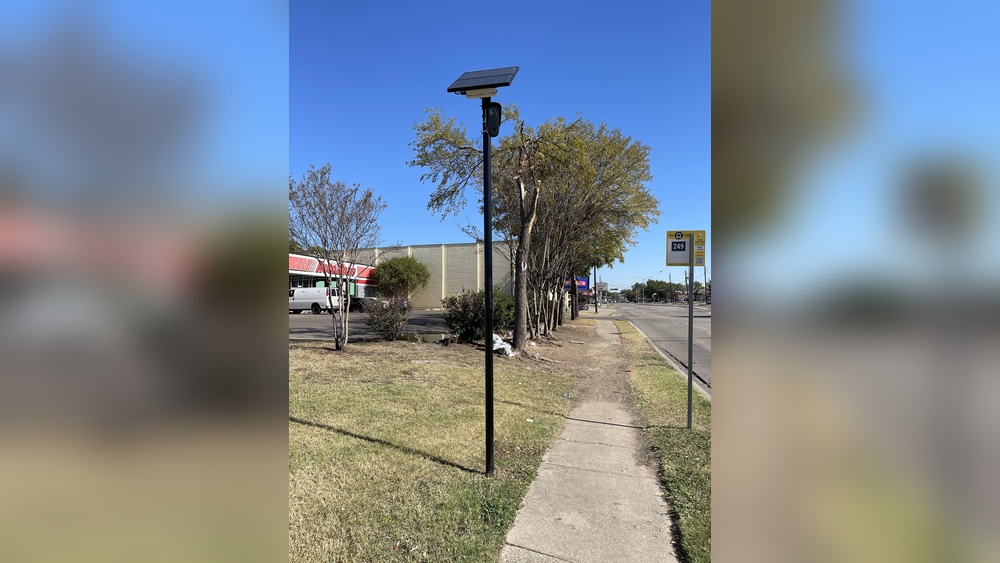
Black Cameras With Solar Panels: What They Are and Why People Want Them
Imagine a camera that works day and night, without you ever needing to change its batteries or plug it in. Many people now use black cameras with solar panels for their homes, farms, and even businesses. These cameras are changing how we think about security and outdoor monitoring. They combine the power of the sun with advanced camera technology, making them reliable, eco-friendly, and easy to use.
This article will explain what black cameras with solar panels are, how they work, and why so many people are choosing them over traditional cameras. We will also compare them to regular security cameras, look at their benefits and challenges, and answer common questions.
Whether you are a homeowner, a farmer, or just someone curious about the latest technology, you will find clear, practical advice here.
What Are Black Cameras With Solar Panels?
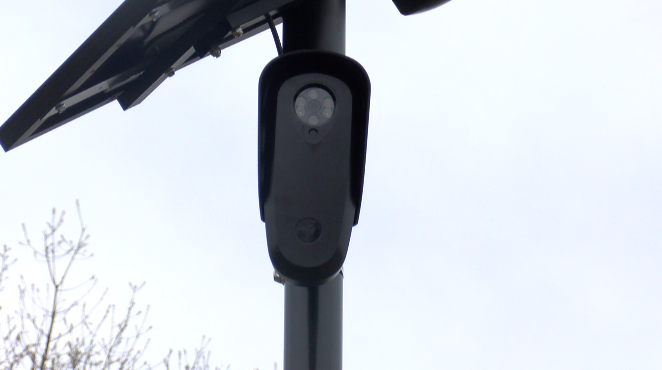
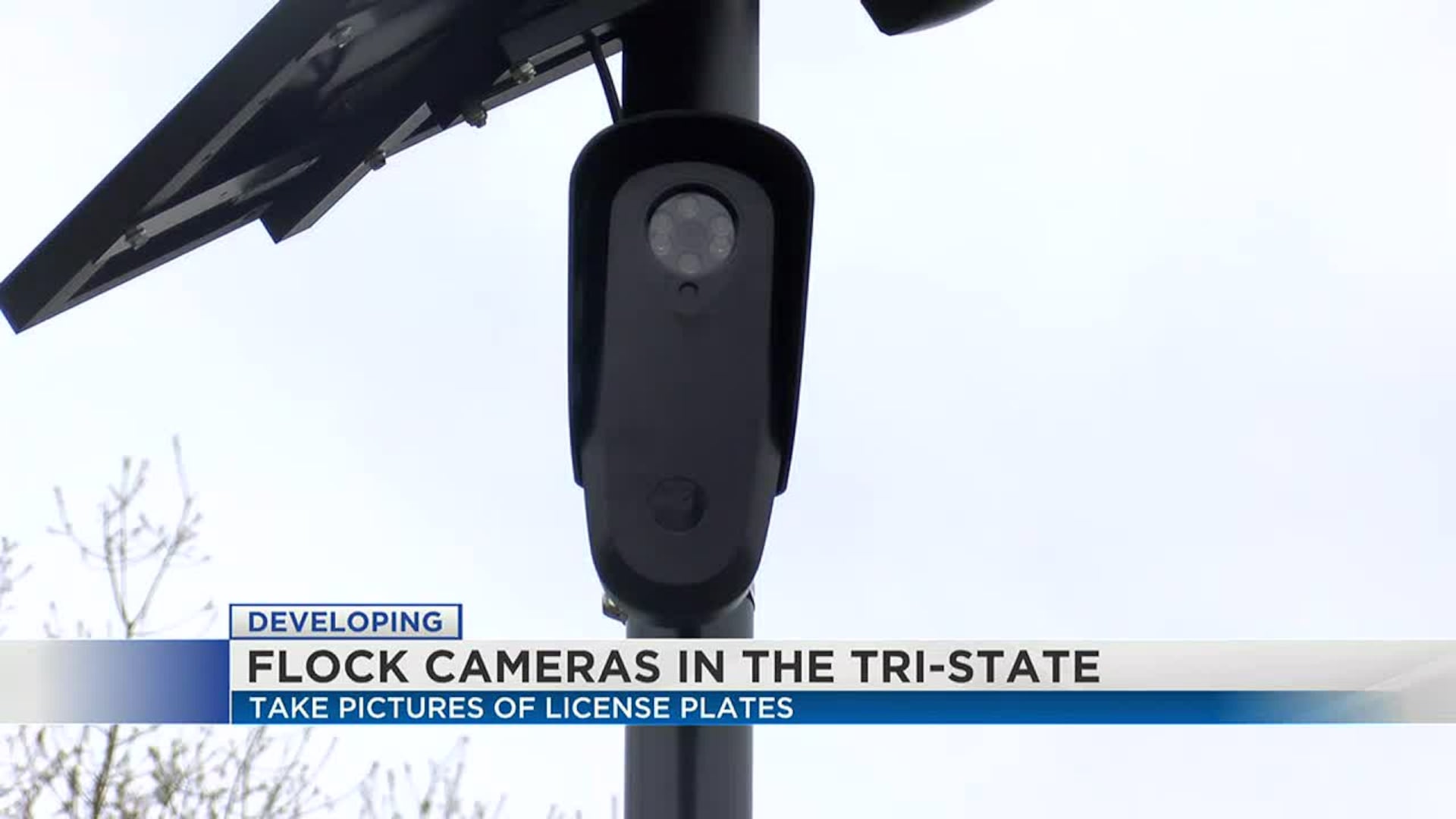
Black cameras with solar panels are security or surveillance cameras designed to use sunlight for power. These cameras usually have a dark or black casing, which helps them blend into most outdoor environments and absorb heat. The solar panel, attached to the camera or placed nearby, collects sunlight and turns it into electricity. This electricity charges a built-in battery, which powers the camera even during the night or on cloudy days.
Most of these cameras are wireless, meaning they do not need a cable for power or internet. They send video and pictures through Wi-Fi or cellular networks. This makes them very flexible—you can put them almost anywhere, even in places where it is hard to get electricity.
Why Are These Cameras Black?
The black color is not just about looks. Black cameras are less visible at night, which helps with security. They also absorb sunlight better, which can slightly improve the solar panel’s efficiency, especially in cold weather. In some cases, the black casing is made from special materials that protect the camera from sun, rain, and dust.
Solar Panel Integration
The solar panel is the heart of this system. It can be built right into the camera’s body, or it can be a separate unit connected with a wire. Larger panels collect more sunlight and charge the battery faster, but they are also bigger and more visible.
How Do Black Cameras With Solar Panels Work?
The technology behind these cameras is simple but powerful. Here’s how they work step by step:
- Sunlight hits the solar panel.
- The solar panel converts sunlight into electricity.
- Electricity charges a rechargeable battery inside the camera.
- The camera uses this stored energy to operate during the day and night.
- The camera records video or takes photos, often triggered by motion.
- Data is sent wirelessly to your phone, computer, or cloud storage.
When there is less sunlight (like on rainy days or during winter), the battery can run the camera for several days, depending on its size. Some cameras also let you connect an extra battery for longer backup.
Key Components
- Camera lens and sensor: Captures video and images.
- Solar panel: Collects sunlight and generates power.
- Battery: Stores electricity for use at night or during bad weather.
- Wireless module: Sends data to your devices.
- Motion detector: Triggers recording when something moves.
- Weatherproof casing: Protects the camera from rain, dust, and sun.
Real-world Example
Imagine a farm in a rural area. Running power cables to all corners of the property would be expensive and difficult. With solar-powered black cameras, the farmer can easily watch over gates, barns, or fields without worrying about power cuts or cable theft.
The cameras keep working even if the main power goes out.
Benefits Of Black Cameras With Solar Panels
People choose these cameras for many reasons. Here are the main benefits:
1. No Need For Power Cables
Since solar panels supply the power, you do not need to run cables from your house or office. This saves money and makes installation much easier, especially in remote or outdoor locations.
2. Eco-friendly
Using the sun’s energy means you are not using electricity from the grid. This reduces your carbon footprint and helps the environment. For people who care about green technology, this is a major plus.
3. Works During Power Outages
Even if there is a blackout, your cameras keep working. The battery stores enough power for nighttime and cloudy days.
4. Flexible Installation
You can place these cameras almost anywhere—on a tree, a fence, or a building. There is no need to look for a plug or worry about extension cords.
5. Low Maintenance
There are fewer wires to break or get damaged. Most solar cameras are designed to last for years with only occasional cleaning of the solar panel.
6. Remote Access
Most of these cameras let you see live video on your phone or computer, even if you are far away. This is great for travelers, business owners, or anyone who wants to keep an eye on their property.
7. Discreet And Secure
The black color helps the camera blend in, making it less noticeable to intruders. Thieves often look for obvious cameras to avoid or destroy.
8. Cost Savings Over Time
While the initial price may be higher than regular cameras, you save money on electricity and installation. Over several years, these savings can be significant.
Main Types Of Black Cameras With Solar Panels
There are several types of solar-powered black cameras. Each type fits different needs and budgets.
1. Bullet Cameras
These are long, tube-shaped cameras that usually point in one direction. They are good for driveways, entrances, or long fences.
2. Dome Cameras
Dome cameras are round and can look in many directions. They are often used for wide areas, like parking lots or gardens.
3. Ptz (pan-tilt-zoom) Cameras
PTZ cameras can move left, right, up, and down, and can zoom in for close details. They are great for covering large spaces and following moving objects.
4. Trail Cameras
These are used for wildlife monitoring. They are built to be tough and can handle rain, mud, and even animal attacks.
5. Floodlight Cameras
These cameras have a strong light that turns on with motion. They help light up dark areas and record clear video at night.
6. 4g/lte Cellular Cameras
Some cameras use a SIM card to send video through the mobile network. This is useful where there is no Wi-Fi, like remote farms or construction sites.
7. Hidden Or Mini Cameras
Small black cameras can be hidden in birdhouses, mailboxes, or decorations for discreet monitoring.

Credit: www.14news.com
Comparing Solar-powered Black Cameras With Traditional Security Cameras
Let’s look at how these cameras compare to regular security cameras.
| Feature | Solar-Powered Black Camera | Traditional Security Camera |
|---|---|---|
| Power Source | Solar + Battery | Wired or Plug-in |
| Installation | Wireless, flexible | Needs power cables |
| Works During Outage | Yes | No (unless with backup) |
| Eco-Friendly | Yes | No |
| Maintenance | Low | Medium to high |
| Price | Higher upfront | Lower upfront |
Non-obvious insight: Many people do not realize that traditional cameras can stop working during power cuts or if someone cuts the power cable. Solar cameras are immune to both problems.
Another insight: Even in cold climates, solar cameras can work well because the panels are more efficient in cooler temperatures (as long as there is sunlight).
Where Are Black Cameras With Solar Panels Used?
These cameras are now used in many places, not just homes. Here are some common uses:
Homes
- Front doors, backyards, garages
- Monitoring packages or mail deliveries
- Keeping an eye on pets or children playing outside
Farms And Rural Areas
- Watching over animals and equipment
- Checking gates and fence lines
- Protecting crops from theft or wildlife
Businesses
- Parking lots and entrances
- Remote warehouses and storage units
- Construction sites where there is no power
Public Spaces
- Parks and nature trails
- Community gardens
- Small outdoor events
Special Situations
- Campsites and cabins
- Boats and docks
- Monitoring remote infrastructure (like wells or pumps)
Example: In many rural US counties, police and wildlife officials use solar-powered cameras to track illegal dumping or monitor wildlife crossings.
Key Features To Look For
Choosing the right camera can be confusing. Here are the most important features to consider:
1. Battery Life
Look for cameras with large batteries (measured in milliamp hours, or mAh). A bigger battery means more days of power without sunlight.
2. Solar Panel Size And Placement
Larger panels charge faster but are more visible. Some cameras let you adjust the panel’s angle for better sunlight.
3. Video Quality
1080p (Full HD) is standard, but some cameras offer 2K or 4K for clearer images. Higher quality is better for seeing faces or license plates.
4. Night Vision
Infrared LEDs or color night vision help capture clear video in the dark.
5. Motion Detection
Smart sensors can tell the difference between people, animals, and cars. This reduces false alarms.
6. Storage Options
Some cameras save video to a microSD card, while others use cloud storage. Cloud storage is safer, but may require a subscription.
7. Connectivity
Make sure the camera supports your preferred method: Wi-Fi, 4G/LTE, or both.
8. Weatherproofing
Look for an IP65 or higher rating. This means the camera can handle rain, snow, and dust.
9. App And Notifications
A good mobile app lets you see live video, get alerts, and change settings easily.
10. Audio
Two-way audio lets you talk to visitors or warn intruders.
11. Field Of View
A wider angle (120° to 160°) covers more area with fewer cameras.
Common mistake: Some people buy the cheapest solar camera and are disappointed by poor image quality or short battery life. Always check reviews and specifications before buying.
Typical Price Range And Cost Comparison
Prices for black cameras with solar panels vary widely. Here is a quick comparison:
| Camera Type | Approximate Price (USD) | Main Features |
|---|---|---|
| Basic Solar Camera | $50 – $100 | 720p/1080p, Wi-Fi, night vision |
| Mid-Range Camera | $100 – $200 | 1080p/2K, better battery, app, two-way audio |
| Advanced PTZ Camera | $200 – $400 | 2K/4K, pan-tilt-zoom, cloud storage, 4G/LTE |
| Specialized Trail Camera | $120 – $350 | Rugged, motion sensor, invisible IR LEDs |
Remember, the cheapest option may not last as long or work as well in tough conditions.
How To Install And Maintain These Cameras
Installing a black camera with a solar panel is usually easy, but there are some tips to get the best results.
Installation Steps
- Choose the right location.
- Place the camera where you need coverage and where the solar panel will get direct sun for most of the day.
- Mount the camera.
- Use the provided screws or mounts. Make sure it is secure and can’t be easily removed.
- Adjust the solar panel.
- Point it south (in the Northern Hemisphere) or north (in the Southern Hemisphere) for maximum sunlight.
- Connect to Wi-Fi or mobile network.
- Follow the camera’s app instructions to connect and test the live feed.
- Set up alerts and storage.
- Choose how you want to receive notifications and where to save video.
Maintenance Tips
- Clean the solar panel every few months with a soft cloth and water. Dust or leaves can block sunlight.
- Check the camera’s lens for dirt or spider webs.
- Update the app and firmware for better security and new features.
- Test the battery a few times a year, especially before winter.
Non-obvious tip: In areas with heavy snow, tilt the solar panel so snow slides off easily.
Limitations And Challenges
While these cameras are very useful, they are not perfect. Here are some things to keep in mind:
1. Dependence On Sunlight
If you live in a place with long, dark winters or many cloudy days, the battery may not stay charged. Some cameras let you add an extra battery or plug in a backup power source for emergencies.
2. Wi-fi Or Cellular Signal Needed
To watch live video or get alerts, you need a good Wi-Fi or 4G signal. In very remote areas, this can be a problem.
3. Higher Upfront Cost
These cameras usually cost more than regular cameras, but you save on electricity and installation.
4. Theft Or Vandalism
Because these cameras are wireless and often easy to reach, someone could steal or damage them. Some models have anti-theft alarms or can be locked in place.
5. Weather Effects
Extreme heat can reduce battery life. Heavy snow, ice, or falling leaves can block the solar panel.
Practical solution: If possible, install the camera high up and out of easy reach. Consider models with anti-tamper features or cloud backup for video.
Credit: www.14news.com
Top Brands And Popular Models
Some brands are known for making reliable black solar cameras. Here are a few examples:
- Reolink: Offers 4G/LTE solar cameras with good night vision and weatherproofing.
- Arlo: Known for smart features, excellent apps, and high-quality video.
- Eufy: Easy to install, with long battery life and local storage options.
- Soliom: Affordable, good for basic home use.
- Vosker: Specializes in cellular trail cameras for remote sites.
- Ring: Popular for home doorbell and floodlight cameras with solar options.
Before choosing a brand, check reviews and look for models that fit your specific needs.
The Future Of Solar-powered Security Cameras
As solar panels and batteries get better, these cameras will only become more popular. Here are some trends to watch for:
- Better AI detection: Cameras will be able to tell the difference between people, animals, and cars more accurately.
- Longer battery life: New battery technology will keep cameras running longer, even in bad weather.
- Smarter apps: Easier to use, with better notifications and integration with smart home systems.
- More affordable: As more companies enter the market, prices will drop.
- Increased privacy controls: Users will have more options to control who can see their video and where it is stored.
Insider tip: The best time to install a solar camera is before you need it. Many people only think about security after a break-in or theft.
Credit: www.14news.com
How To Choose The Right Black Camera With Solar Panel For You
Here’s a simple process for making your decision:
- Decide where you need coverage. List the main areas you want to monitor.
- Check sunlight conditions. Make sure the spot gets at least 4-6 hours of sun per day.
- Choose the right type. Do you need a fixed camera, a PTZ camera, or a floodlight camera?
- Set your budget. Remember, paying a bit more now can save you problems later.
- Compare features. Look for video quality, battery size, night vision, and motion detection.
- Read reviews. See what other buyers say about battery life, app quality, and customer support.
- Check return policy and warranty. A good warranty gives peace of mind.
Common mistake: Some buyers do not check if the camera supports their Wi-Fi (2.4 GHz or 5 GHz). Always confirm before buying.
Practical Tips For Getting The Best Performance
- Install in the sunniest spot you can find.
- Clean the panel regularly.
- Update the app for new features and bug fixes.
- Test the battery before winter or long trips.
- Aim the camera so it does not point directly at moving leaves or busy streets (to avoid false alarms).
- Use cloud storage if you need a record in case the camera is stolen.
Environmental Impact And Safety
Solar-powered cameras help reduce electricity use and greenhouse gas emissions. Over a year, a single camera can save enough energy to power a laptop for several days. For larger properties or businesses, switching to solar cameras can make a real difference.
However, old batteries must be recycled properly. Most brands offer recycling programs or instructions. Never throw used batteries in the trash.
Real-world Success Stories
Case 1: A homeowner in Arizona installed four black solar cameras around his property. After a series of package thefts, he caught a thief on video, shared the footage with police, and stopped further thefts. He reported never needing to change or charge the batteries in two years.
Case 2: A vineyard in France used solar-powered cameras to monitor gates and storage sheds. The cameras alerted workers to a break-in attempt, and the intruders were scared off by the floodlights. The vineyard saved thousands of dollars compared to installing wired cameras.
Case 3: A wildlife group in Canada uses black solar trail cameras to study bears in remote forests. The cameras work for months with no human visits, reducing disturbance to animals and collecting valuable data.
These examples show how flexible and reliable these cameras can be when chosen and installed properly.
Frequently Asked Questions
What Happens On Cloudy Or Rainy Days?
Most solar cameras have a battery that stores enough power for several days. As long as the battery is large enough and the camera is not recording nonstop, it will keep working through short periods of bad weather. In places with long periods of darkness, you may need a bigger battery or a backup power option.
Can These Cameras Work Without Wi-fi?
Yes, some black solar cameras use 4G/LTE cellular networks instead of Wi-Fi. You need to insert a SIM card and pay for data, but you can use them anywhere with a mobile signal. These are popular for farms, construction sites, and other remote locations.
How Long Do The Batteries Last?
The battery life depends on the camera’s power use, sunlight, and battery size. Most cameras run for 1-3 days on a full charge without sunlight. With normal sun, they can work for months without you needing to do anything. Rechargeable batteries usually last 2-5 years before needing replacement.
Are These Cameras Safe From Hacking?
Like all connected devices, security depends on strong passwords and keeping the software updated. Choose cameras from trusted brands, set a unique password, and update the app and firmware regularly. Use two-factor authentication if available. For more safety tips, visit the Federal Trade Commission website.
Can I Use These Cameras Indoors?
Yes, you can use a solar-powered black camera indoors, but you need to place the solar panel where it gets sunlight—like near a window or on a balcony. Indoors, the camera may use more battery power, so check the specs before buying.
Black cameras with solar panels are a smart, green way to protect your property and keep an eye on what matters most. With the right setup, they offer reliable, low-maintenance security for years to come. If you plan carefully, choose a trusted brand, and install the camera in a sunny spot, you will likely be pleased with the results.