
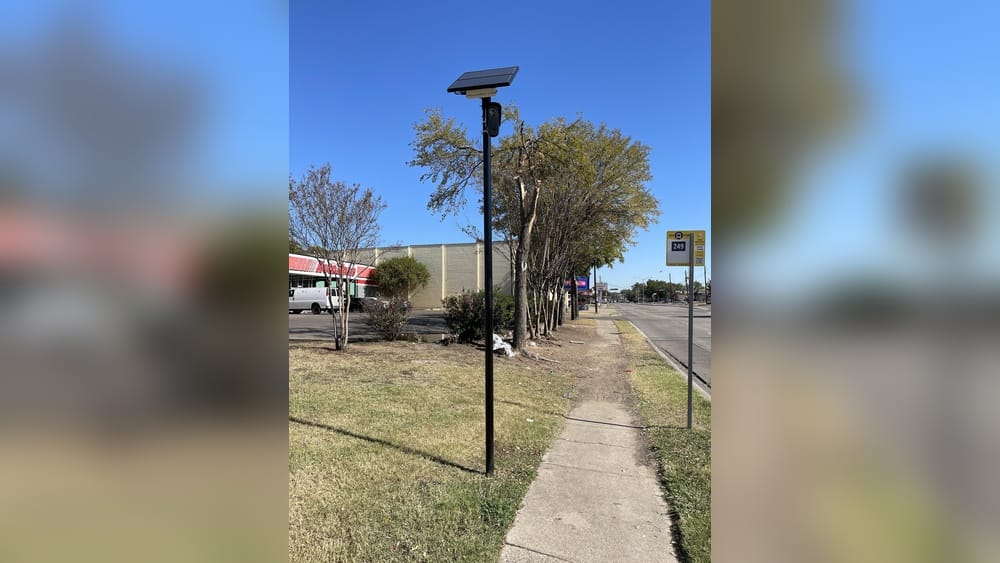
Everywhere you go today—busy intersections, quiet parks, school zones, or new housing developments—you might notice something new: black poles with solar panels and cameras on top. These are not just streetlights or ordinary surveillance systems. They’re a sign of how technology is changing our cities, neighborhoods, and even rural areas. But what are they exactly, and why are they appearing in so many places?
For many people, these tall, dark poles with small solar panels and cameras attached can look a little mysterious. Are they for safety? Are they tracking people? Who controls the footage? The truth is, these smart poles are transforming how we collect information, light our streets, and keep communities safe—often with less energy and lower costs.
In this guide, you’ll learn what these black poles really are, how they work, and why they’re becoming so popular. You’ll also understand the real benefits, the concerns about privacy, and what to watch for if you see one in your area.
Whether you’re a city resident, a business owner, or just curious about new technology, this article will give you clear answers.
What Are Black Poles With Solar Panels And Cameras?
At first glance, these black poles might seem simple. But they’re actually multi-purpose devices called solar-powered surveillance poles or smart poles. Their main parts usually include:
- A sturdy black metal pole (often powder-coated for weather protection)
- A solar panel on top or near the top, angled to catch sunlight
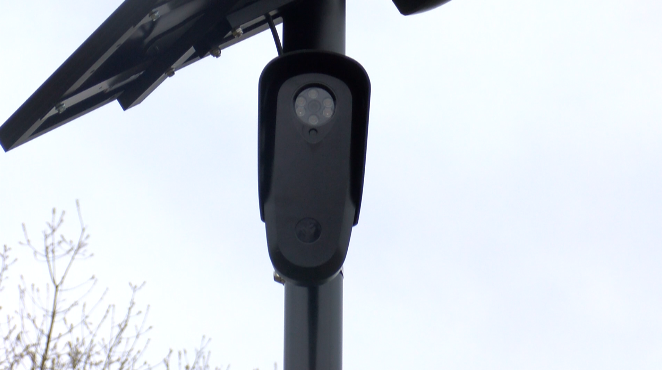
- One or more cameras, often dome-shaped, for video recording
- A battery box (usually inside or attached to the pole)
- Wireless antennas for sending data
These poles are designed to collect solar energy, store it in batteries, and power the cameras and other electronics without needing to connect to a city’s electrical grid. Some advanced models add features like Wi-Fi hotspots, environmental sensors, or speakers.
You’ll often find these poles in places where it’s hard or expensive to run electrical wires—parking lots, walking trails, construction sites, or new neighborhoods. But cities are also putting them in busy areas to save money and improve flexibility.
How Do Solar-powered Camera Poles Work?
The process is simple, but it requires smart design. Here’s how most of these poles operate:
- Solar panel collects sunlight during the day and converts it to electricity.
- Batteries store the electricity for use at night or on cloudy days.
- Cameras record video 24/7, powered by the stored energy.
- Wireless systems send the footage to a control center or cloud server.
- Motion sensors or timers can activate the camera only when needed, saving power.
Some poles have LED lights that turn on at night, making them act as streetlights and surveillance units at the same time. Because everything is powered by solar, they don’t need to be connected to underground wires—making them fast to install and easy to move.
Why Are These Poles Becoming Popular?
There are several reasons why cities, schools, businesses, and even homeowners are installing solar-powered camera poles:
- No electrical grid needed: They work anywhere with sunlight, so you can put them in remote or temporary locations.
- Lower installation cost: No digging or wiring means cheaper setup and less mess.
- Eco-friendly: They use renewable energy and reduce the city’s carbon footprint.
- Quick deployment: Useful for emergencies, events, or fast-changing situations.
- Flexible and scalable: New poles can be added or moved as needs change.
For example, a city may need extra surveillance in a park after vandalism reports. Instead of waiting months for electrical work, they can put up a few solar camera poles in a day. Construction companies use them to monitor job sites without hiring extra security staff.
Key Components Explained
To understand what makes these poles so useful, let’s look at their main parts in detail.
The Pole
The pole is usually made from steel or aluminum, painted black for a modern look and better resistance to weather. Heights range from 10 to 30 feet, depending on the area being watched.
Solar Panel
Most solar panels are 30W to 200W in size, depending on how much power the cameras, lights, and other devices need. The panel is tilted to get the most sun throughout the year.
Cameras
The cameras can be simple fixed-lens types or advanced PTZ (pan-tilt-zoom) models that move and zoom in for detail. Many use high-definition video and have infrared night vision to record after dark.
Batteries
Lithium-ion or deep cycle lead-acid batteries are common. The batteries are sized to keep the cameras running for at least 2–5 days without sunlight, just in case of bad weather.
Wireless Communications
Most poles use cellular 4G/5G, Wi-Fi, or sometimes LoRaWAN to send video footage to a central system. This means no cables are needed for data either.
Optional Features
Some advanced poles include:
- Loudspeakers for public announcements or warnings
- Environmental sensors (air quality, temperature)
- Emergency call buttons
- Lighting controls that adjust brightness based on activity
Here’s a quick comparison of common features you’ll find:
| Feature | Basic Poles | Advanced Poles |
|---|---|---|
| Camera Type | Fixed HD | PTZ (Pan-Tilt-Zoom) |
| Night Vision | Infrared | Color + Infrared |
| Lighting | Optional LED | Adaptive, Motion-Activated |
| Wireless | 4G/LTE | 5G/Wi-Fi/LoRaWAN |
| Extra Sensors | None | Air Quality, Noise, Weather |
Credit: www.14news.com
Where Are They Used?
You might be surprised by how many places now use black poles with solar panels and cameras. Here are some common examples:
- City parks and playgrounds: To reduce crime and improve safety.
- Parking lots: To watch for theft and keep people safe at night.
- School zones: To monitor traffic and student safety.
- Construction sites: For theft prevention and accident records.
- Remote highways and trails: For traffic counts and emergency response.
- Temporary events: Like concerts, festivals, or protests.
Some cities use them for environmental monitoring—checking air quality, noise, or even radiation levels in real time.
Benefits For Cities And Communities
The popularity of these smart poles is not just about technology. They bring real-world benefits that matter to city planners, police, and residents.
Energy Savings
Traditional streetlights and camera systems can cost hundreds of dollars per month in electricity. Solar poles use free, renewable energy. According to the US Department of Energy, solar lighting can cut electricity use by up to 90% for outdoor lighting.
Lower Crime And Better Safety
Visible cameras and lights reduce vandalism, theft, and violence. For example, after installing solar surveillance poles in a city park, one US city saw a 25% drop in reported crimes over six months.
Fast, Flexible Deployment
If a problem area moves, so can the pole—often in just a few hours. Cities don’t have to wait for long construction projects or spend money digging up roads.
Lower Maintenance Costs
With fewer wires and underground parts, there’s less that can break. Many poles send automatic alerts if the battery is low or the camera fails, so problems are fixed faster.
Environmental Impact
Switching from grid-powered lights and cameras to solar can prevent tons of CO2 emissions per year in a single city. Plus, using renewable energy meets many cities’ climate action goals.
Real-world Examples
To show how these poles work in practice, here are a few real-world cases.
San Diego, California
San Diego installed over 3,200 solar-powered smart poles with cameras and sensors. They save about $1.2 million in energy costs each year and help the city monitor traffic, air quality, and even parking space availability.
School Safety In Texas
Several Texas school districts use solar camera poles to watch playgrounds and entrances. One district reported a 40% drop in vandalism and faster police response thanks to real-time video alerts.
Construction Security In Australia
A major construction firm used mobile solar camera poles to protect equipment on remote sites. This cut theft losses by over $250,000 in one year, compared to using only human guards.
How Secure Are These Systems?
When people see cameras, they often worry about privacy and data security. Are these poles safe from hacking or misuse?
Data Encryption
Most modern poles use encrypted wireless signals to send video footage. This means only authorized users can view or download the recordings.
Access Controls
Only trained security or city staff can log in to control the cameras or view video. Some systems use multi-factor authentication for extra safety.
Video Retention Policies
Cities often set rules about how long footage is kept (usually 7 to 30 days) and when it must be deleted. This protects privacy and prevents misuse.
Tamper-resistant Design
The poles are built to be tough. Cameras are placed high up, and battery boxes are locked. Some use vibration sensors to alert staff if anyone tries to break in.
Key Challenges And Concerns
While these poles have many benefits, there are also real concerns and challenges.
Privacy And Surveillance
Some people worry that constant camera monitoring invades privacy. It’s important for cities to be transparent about what is recorded, who can access it, and how footage is used.
Weather And Vandalism
Solar poles need sunlight to work. In very cloudy places or areas with long winters, extra battery backup or hybrid power might be needed. Vandalism is also a risk, so poles must be well-placed and designed to resist damage.
Cost And Funding
While installation is cheaper than traditional systems, the upfront cost for a single solar pole can range from $3,000 to $10,000 depending on features. Cities need to budget for long-term maintenance and battery replacement every 5–10 years.
Technology Obsolescence
As cameras, batteries, and wireless systems improve, older poles may need upgrades. Choosing systems that allow easy updates can prevent wasted investment.
Data Security
Any device connected to the internet can be a target for hackers. Strong cybersecurity practices are essential to prevent unauthorized access or data leaks.
How Do They Compare To Traditional Camera Systems?
It’s helpful to see how solar-powered camera poles stack up against older, wired camera systems. Here’s a quick side-by-side look:
| Feature | Solar Camera Pole | Wired Camera System |
|---|---|---|
| Power Source | Solar/Battery | Grid Electricity |
| Installation Time | Hours–1 Day | Days–Weeks |
| Location Flexibility | High | Low |
| Operating Cost | Very Low | Medium–High |
| Environmental Impact | Low/Green | Higher Emissions |
| Maintenance | Easy/Battery Replacement | Wiring, More Parts |
Common Myths And Misunderstandings
When people first see these poles, some common myths can cause confusion or concern.
Myth 1: They Record Everything, All The Time
Most poles only record when motion is detected or during certain hours. This saves power and protects privacy.
Myth 2: They Track People’s Faces
While some advanced systems can use facial recognition, most city-installed poles do not use this feature, especially in the US and Europe, due to privacy laws.
Myth 3: They Replace Police Or Security Staff
Solar camera poles are a tool, not a replacement for human judgment. They help police and staff respond faster, but do not make decisions on their own.
Myth 4: They Can’t Work In Bad Weather
Good systems are designed for rain, snow, and wind. Batteries keep the system running during storms or cloudy days.
Myth 5: Anyone Can Watch The Footage
Access is restricted to trained city or security staff. Most footage is not shared with the public, except for investigations.
How To Identify A Solar Camera Pole
Not sure if a pole near you is a solar-powered camera system? Here’s what to look for:
- Black metal pole, taller than a normal streetlight
- Solar panel mounted near the top, usually tilted southward
- Camera dome or box, sometimes more than one
- No visible electrical wires running underground
- Small wireless antennas or extra boxes attached
If you see these features together, it’s likely a solar-powered camera pole.

Credit: www.14news.com
What To Do If You Have Concerns
If you have questions or worries about a pole in your area, you can:
- Ask your city or property manager about its purpose and privacy policies.
- Look for posted signs—many cities must post notices about video surveillance.
- Read your city’s public records on surveillance and privacy (often online).
- Attend city council meetings to share your views or ask for changes.
Many cities encourage public input before installing these systems.
The Future Of Smart Poles
Technology is moving fast. In the near future, solar camera poles may add more features, like:
- 5G antennas for faster connections and better citywide Wi-Fi
- Smart lighting that adjusts to weather, traffic, or emergencies
- Environmental data collection for real-time air and noise quality mapping
- Emergency alert systems that talk to your phone or car
Cities around the world—from New York to Tokyo—are experimenting with these “smart city” technologies. The goal is to make places safer, greener, and more connected without increasing costs or energy use.

Credit: www.reddit.com
How To Choose The Right System
If you’re a city planner, business owner, or even a large property manager, choosing the best solar camera pole means considering:
- Power needs: How much sunlight is available? How many cameras and lights will you run?
- Camera quality: Do you need wide coverage, zoom, or high resolution?
- Storage and access: Will you store footage locally or in the cloud? Who needs access?
- Connectivity: Is there good cellular or Wi-Fi coverage at your site?
- Weather durability: Will it handle your local climate?
- Privacy rules: What laws or community rules apply?
- Budget: Consider purchase, installation, and long-term maintenance.
Here’s a quick comparison of features to consider:
| Need | Basic Solution | Advanced Solution |
|---|---|---|
| Rural, Off-Grid | Single Camera, Large Battery | Multiple Cameras, Solar + Wind |
| Urban Safety | HD Camera, Motion Detection | PTZ Camera, Smart Alerts |
| Environmental Monitoring | None | Air/Noise Sensors, Data Upload |
| Budget Limit | Fixed Camera, Basic Solar | Upgradeable System |
Two Insights Most People Miss
- They’re Not Just for Security: Many assume these poles are only for surveillance. In reality, cities use them for things like counting traffic, monitoring air quality, and providing public Wi-Fi. This makes them valuable for city planning and health, not just crime prevention.
- Energy Management Is Key: The biggest challenge is not camera quality—it’s keeping the system running through bad weather or long nights. Systems with smart power management (like motion-activated recording, adaptive lighting, or hybrid solar/wind) work far better, especially in tough climates.
The Bottom Line
The spread of black poles with solar panels and cameras is changing how cities and businesses protect people and property. These smart, solar-powered devices offer flexibility, lower costs, and environmental benefits. But they also raise important questions about privacy, security, and how technology shapes our daily lives.
If you’re curious or concerned about a new pole in your area, ask questions and learn more about how it works. Good cities and companies will be open about their use and give you a voice in the process.
To read more about smart city technology and solar-powered surveillance, check out this Wikipedia article on Smart Cities.
Frequently Asked Questions
What Happens If There’s No Sunlight For Several Days?
Most poles are designed with battery backup that can last 2–5 days without sunlight. In very cloudy regions, poles may be larger or combined with other energy sources like wind.
Are These Poles Always Recording Video?
Not always. Many systems record only when motion is detected or during certain hours. This saves battery power and protects privacy.
Who Can View The Footage From These Cameras?
Only authorized staff, like city security teams or police, can access the video. Public access is usually restricted to protect privacy.
Can These Poles Be Hacked?
Like any connected device, there’s a risk. However, most systems use strong encryption and access controls to prevent hacking. Regular software updates are also important.
Do These Poles Replace Streetlights?
Sometimes, but not always. Some poles have LED lights and replace old streetlights, while others only provide camera surveillance. It depends on the city’s needs and the pole’s features.