
The Blink Outdoor Camera is a popular security device for homes and businesses. It’s small, wireless, and easy to install almost anywhere. But one question comes up often: What battery does Blink Outdoor Camera use? If you own or plan to buy this camera, battery type, life, and replacement tips are important to know. This guide will help you understand everything about the batteries for Blink Outdoor Camera, including how they work, how long they last, and how to get the best performance.
Why Battery Choice Matters For Blink Outdoor Cameras
Blink Outdoor Cameras are designed to be simple and flexible. You can put them in places without power outlets, like your backyard, garage, or front porch. Because these cameras run on batteries, choosing the right battery affects how often you need to change them, how reliable your camera is, and even how well the camera works in cold or hot weather.
Many new users think all batteries are the same. But the battery type influences the camera’s performance and lifespan. Using the wrong battery can lead to short battery life, errors, or even damage. Let’s dive into the details.
What Battery Does Blink Outdoor Camera Use?
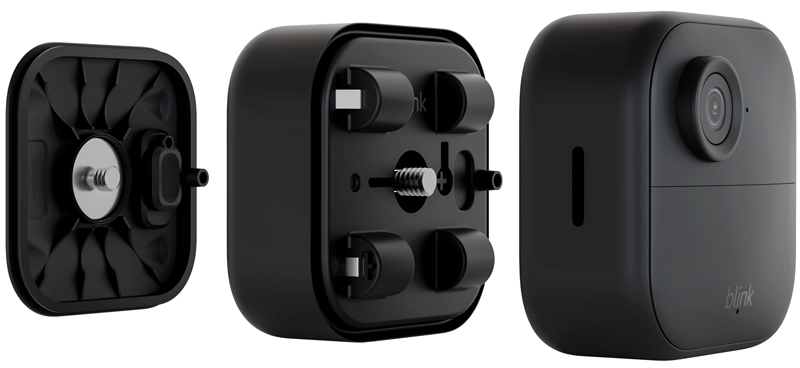
Blink Outdoor Cameras use two AA lithium batteries. Specifically, the recommended type is non-rechargeable lithium AA batteries—most commonly the Energizer Ultimate Lithium AA. These batteries are known for their long life, stability, and resistance to extreme temperatures.
Why Aa Lithium Batteries?
AA batteries are easy to find and affordable. However, not all AA batteries are equal. Lithium AA batteries are much better than alkaline AA batteries for Blink Outdoor Cameras. Lithium batteries last longer, handle temperature changes better, and provide stable power until they are empty.
Blink recommends lithium batteries because:
- They last up to 2 years with normal use
- They work well in cold and hot weather
- They prevent battery leaks and damage
Supported Battery Brands
Most users choose Energizer Ultimate Lithium AA batteries, as they are reliable and widely available. Other brands, like Duracell or Panasonic, also offer lithium AA batteries, but always check the label to make sure they are non-rechargeable lithium type.
Can You Use Rechargeable Batteries?
Blink does not recommend using rechargeable AA batteries. Most rechargeable batteries are NiMH (Nickel Metal Hydride) type, which do not provide the same voltage or stability as lithium batteries. Rechargeables may cause the camera to lose connection, have shorter battery life, or show battery errors.
If you try rechargeable batteries, expect:
- Shorter battery life (often less than 3 months)
- Possible camera errors or disconnects
- Lower performance in extreme temperatures
Battery Life: What To Expect
One of the best features of the Blink Outdoor Camera is long battery life. With Energizer Ultimate Lithium AA batteries, Blink claims up to 2 years of normal use. But what does “normal use” mean, and what factors affect battery life?
Typical Battery Life
Blink defines “normal use” as:
- Up to 5,000 seconds (about 83 minutes) of video recording per month
- Standard motion detection settings
- Moderate temperature (not very hot or cold)
- Typical Wi-Fi signal strength
In real-world settings, most users report 12-24 months of battery life, depending on usage and placement.
Factors That Affect Battery Life
Several things can change how long your batteries last:
1. Video Recording Frequency
More motion events or manual recordings drain batteries faster.
2. Live View Usage
Watching Live View often uses more power.
3. Wi-fi Signal Strength
Weak Wi-Fi makes the camera work harder, using more energy.
4. Temperature
Cold weather can shorten battery life, while lithium batteries handle it better than alkaline.
5. Camera Settings
High video quality, longer clip length, or sensitive motion detection can increase battery drain.
6. Led Usage
Using the camera’s LED often (like for night vision) uses extra power.
Real User Statistics
Blink users share their battery experiences in online forums and reviews. For example:
- Heavy users (multiple motion triggers daily): 6–12 months battery life
- Moderate users (few triggers per day): 18–24 months
- Very cold climates: 9–18 months
- Strong Wi-Fi: Longer battery life; weak Wi-Fi: shorter battery life
Most users get at least a year from one set of lithium batteries.
How To Replace The Batteries In Blink Outdoor Camera
Replacing batteries in your Blink Outdoor Camera is simple. Here’s how to do it safely:
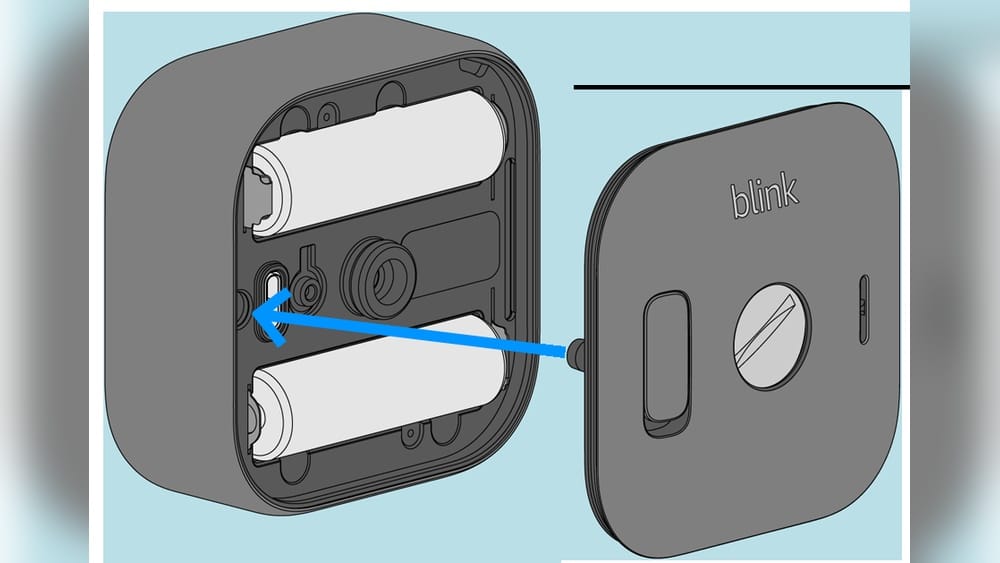
1. Remove The Camera From Mount
Take the camera off its mounting bracket.
2. Open The Battery Compartment
Use a small screwdriver or coin to turn the back cover lock. Remove the cover.
3. Take Out Old Batteries
Remove the two AA batteries.
4. Insert New Lithium Aa Batteries
Make sure the positive and negative ends match the markings inside.
5. Replace The Cover And Lock
Put the cover back and lock it in place.
6. Check The Camera Status
Open the Blink app and confirm the camera is online and battery status is full.
Practical Battery Replacement Tips
- Always use non-rechargeable lithium AA batteries
- Avoid mixing old and new batteries
- Check battery contacts for dirt or corrosion
- Don’t force the cover; align it properly
- If you see battery errors after replacement, restart the camera or check for firmware updates

Credit: support.blinkforhome.com
Comparing Battery Types For Blink Outdoor Camera
There are several types of AA batteries. Let’s compare their performance for Blink Outdoor Camera.
| Battery Type | Recommended? | Average Lifespan | Temperature Performance | Notes |
|---|---|---|---|---|
| Lithium AA (Energizer Ultimate) | Yes | 12–24 months | Excellent | Officially supported |
| Alkaline AA | No | 1–3 months | Poor | May leak or damage camera |
| Rechargeable AA (NiMH) | No | 1–3 months | Average | Unstable voltage |
Non-obvious Insight: Battery Chemistry Matters
Many beginners think any AA battery will work. But the chemistry inside the battery changes how it behaves. Lithium batteries provide steady voltage until almost empty, while alkaline and NiMH batteries drop voltage gradually. This means lithium batteries keep the camera running at full power for longer.
How To Check Battery Status In Blink App
The Blink app shows battery status for each camera. Here’s how to check:
- Open the Blink app on your phone
- Tap your camera device
- Look for battery indicator (shows “OK” or “Needs Replacement”)
- For more details, tap settings and view battery info
The app does not show battery percentage. It only tells you if the battery is “OK” or “Low. ” When the battery is low, replace it soon to avoid losing footage.
Why Percentage Is Not Shown
Lithium batteries maintain voltage until almost empty. So, percentage indicators are not reliable. The camera senses battery health and warns you when the battery is almost depleted.
Credit: support.blinkforhome.com
Maximizing Battery Life: Practical Tips
You can extend the battery life of your Blink Outdoor Camera with a few smart habits.
1. Adjust Motion Sensitivity
Lower sensitivity reduces false triggers.
2. Shorten Clip Length
Reduce the maximum video clip time.
3. Limit Live View Usage
Avoid watching Live View often.
4. Improve Wi-fi Signal
Place your camera closer to the router or use a Wi-Fi extender.
5. Keep Camera Out Of Extreme Temperatures
Avoid direct sunlight or freezing spots.
6. Update Firmware
Always install the latest software updates.
Example: Battery Life Extension
A user who reduced clip length from 60 seconds to 20 seconds and lowered motion sensitivity reported battery life increasing from 8 months to 16 months.
Non-obvious Insight: Placement Impacts Battery Life
Cameras placed in busy areas (like facing a street) record more often, draining batteries faster. Placing cameras in less active areas can double battery life.
Common Battery Mistakes And How To Avoid Them
Blink users often make mistakes that cause battery problems. Here are some common errors and solutions:
1. Using Alkaline Batteries
These last only 1–3 months and may leak. Always use lithium AA batteries.
2. Using Rechargeable Batteries
Rechargeables are not reliable for Blink cameras.
3. Mixing Battery Types
Never mix lithium and alkaline batteries.
4. Ignoring Low Battery Warnings
Replace Batteries Quickly When The App Says “low.”
5. Placing Camera In Wi-fi Dead Zones
Poor connection drains batteries.
6. Storing Batteries In Hot Or Humid Places
Store spare batteries in cool, dry areas.
Buying The Right Batteries: What To Look For
When buying batteries for your Blink Outdoor Camera, check for these features:
- AA size (most common)
- Non-rechargeable lithium chemistry
- Brand reputation (Energizer, Panasonic, Duracell)
- Expiration date (choose fresh stock)
- Package labeling (“Ultimate Lithium” or “L91”)
Avoid buying generic or no-name brands. Cheap batteries may have lower quality and shorter lifespan.
Where To Buy
- Local supermarkets and electronics stores
- Online retailers like Amazon and Best Buy
- Official Blink accessories store
Buying in bulk can save money, but check the expiration date.
Battery Safety And Disposal
Lithium batteries are safe if used correctly. Always follow these guidelines:
- Do not expose batteries to water or fire
- Do not puncture, crush, or short-circuit batteries
- Dispose of used batteries in recycling bins, not household trash
- If a battery leaks, use gloves to handle and clean
Most cities have battery recycling centers. You can find locations online or in local stores.
Blink Outdoor Camera Models And Battery Compatibility
Blink has several outdoor camera models:
- Blink Outdoor (current model)
- Blink XT and XT2 (older models)
All models use two AA lithium batteries. However, performance may vary:
- Blink Outdoor (current): Best battery life, up to 2 years
- Blink XT/XT2: Battery life is shorter, usually 6–18 months
Check your camera model before buying batteries.
| Camera Model | Battery Type | Max Battery Life | Notes |
|---|---|---|---|
| Blink Outdoor | 2 AA Lithium | 24 months | Latest model |
| Blink XT/XT2 | 2 AA Lithium | 18 months | Older model |
How Weather Affects Blink Outdoor Camera Batteries
Outdoor cameras face rain, snow, heat, and cold. Lithium batteries are strong in bad weather.
- Cold (below 32°F/0°C): Alkaline batteries lose power quickly. Lithium batteries lose less power.
- Heat (above 100°F/38°C): Lithium batteries resist heat better than alkaline.
- Humidity: Keep batteries dry to avoid corrosion.
If your area has extreme weather, lithium batteries are the best choice.
Example: Cold Weather Performance
A user in Minnesota reported alkaline batteries lasted only 2 weeks in winter. After switching to lithium, batteries lasted 9 months.

Credit: www.amazon.com
Sustainability And Environmental Impact
Lithium batteries last longer, reducing waste. However, they must be recycled. Many people forget to recycle old batteries, causing pollution.
Blink recommends:
- Use fewer batteries by choosing lithium
- Recycle used batteries at local centers
- Avoid buying disposable alkaline batteries
Some users ask about solar power or USB charging. Blink Outdoor Camera is not designed for solar or USB charging, but third-party accessories exist. Check compatibility before buying.
Troubleshooting Battery Issues
If your Blink Outdoor Camera shows battery errors or disconnects, try these steps:
1. Restart The Camera
Remove and reinsert batteries.
2. Update Firmware
Check for updates in the Blink app.
3. Check Battery Contacts
Clean contacts with a dry cloth.
4. Move Camera Closer To Wi-fi
Improve signal strength.
5. Replace With Fresh Lithium Batteries
Use new, high-quality batteries.
If problems persist, contact Blink support or visit the official help page.
Blink Battery Myths And Misunderstandings
Many beginners believe myths about Blink batteries. Let’s clear up some confusion:
- Myth: Alkaline batteries are OK for outdoor cameras.
Fact: Alkaline batteries are not recommended and may damage the camera.
- Myth: Rechargeable batteries save money.
Fact: Rechargeables do not last as long and may cause errors.
- Myth: Battery percentage is accurate.
Fact: Lithium batteries do not show reliable percentage; the app only shows “OK” or “Low.”
- Myth: All AA batteries are equal.
Fact: Lithium, alkaline, and NiMH AA batteries perform differently.
Blink Accessories And Battery Packs
Blink does not offer official battery packs or USB charging for the Outdoor Camera. Some third-party battery packs exist, but they may void your warranty or cause errors.
If you want longer battery life, use only official Blink accessories and follow the recommended battery type.
Cost Analysis: Annual Battery Expense
Let’s compare the annual cost of batteries for Blink Outdoor Camera.
| Battery Type | Cost per Set (2 AA) | Sets Needed per Year | Total Annual Cost |
|---|---|---|---|
| Lithium AA | $4.50 | 1 | $4.50 |
| Alkaline AA | $1.00 | 12 | $12.00 |
| Rechargeable AA | $5.00 | 4 | $20.00 |
Lithium batteries cost more per set, but you use fewer sets per year, saving money in the long run.
Where To Find Official Battery Recommendations
For the most accurate and up-to-date information, visit the Blink support page or manufacturer website. You can also check this authoritative resource:
blink Support
Frequently Asked Questions
What Battery Does Blink Outdoor Camera Use?
Blink Outdoor Camera uses two AA non-rechargeable lithium batteries. The recommended brand is Energizer Ultimate Lithium AA. Do not use alkaline or rechargeable AA batteries.
How Long Do Blink Outdoor Camera Batteries Last?
With normal use, Blink Outdoor Camera batteries last 12–24 months. Heavy use, poor Wi-Fi, or extreme temperatures can reduce battery life.
Can I Use Rechargeable Batteries In My Blink Outdoor Camera?
Blink does not recommend rechargeable AA batteries. They provide less power, may cause errors, and do not last as long as lithium batteries.
How Do I Know When To Replace Blink Outdoor Camera Batteries?
The Blink app shows a battery indicator. When it says “Low,” replace the batteries soon. There is no percentage display.
Where Should I Dispose Of Used Blink Batteries?
Used lithium batteries should be recycled at local battery recycling centers or stores. Do not throw them in the regular trash.
Blink Outdoor Cameras are easy to use and reliable, but the right battery makes a big difference. Lithium AA batteries—especially Energizer Ultimate Lithium—offer the best performance, longest life, and safest operation. Always follow Blink’s recommendations and avoid common battery mistakes.
With smart battery care, your camera will protect your home for years, with minimal maintenance and expense.