
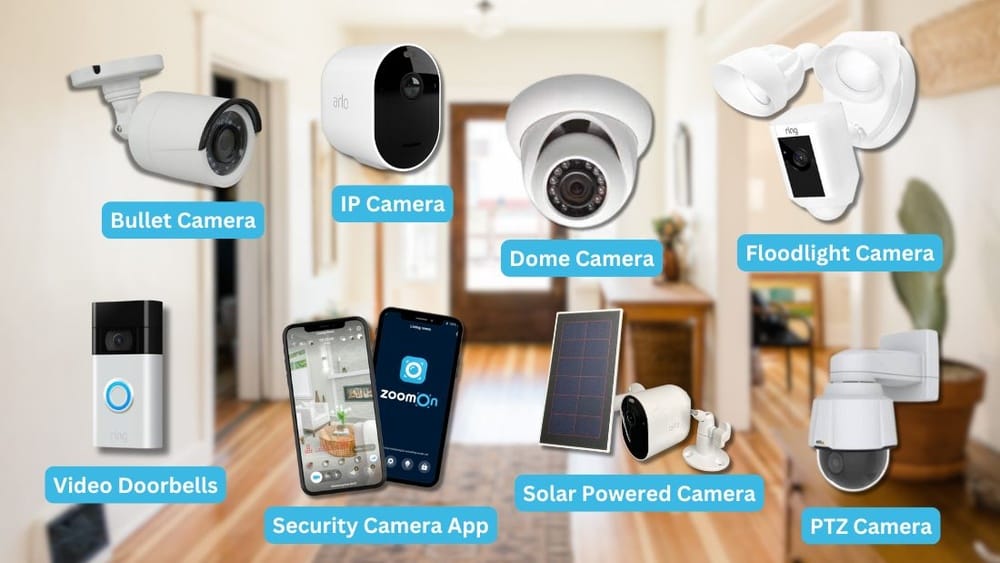
What Do Security Cameras Look Like
Security cameras are everywhere today—homes, stores, schools, streets, and offices. But if you’ve ever wondered what they actually look like, you’re not alone. These cameras come in many shapes, sizes, and colors. Their appearance depends on where they’re used, what they need to capture, and how they need to be installed.
If you’re thinking about buying a security camera or just curious, it helps to know the visual differences. Understanding these details can help you spot cameras quickly, choose the right style for your needs, and avoid common mistakes.
Let’s explore the real-world looks of security cameras. We’ll cover their most common shapes, typical features, surprising design details, and how those looks affect their use.
Common Security Camera Shapes And Designs
Security cameras are designed for different purposes, so their appearance varies. Here are the most popular types you’ll see:
Dome Cameras
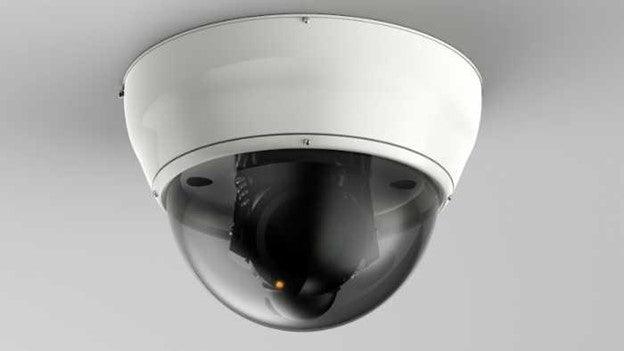
Dome cameras are named for their rounded, dome-shaped cover. You often see them on ceilings in shops, banks, or offices. The dome is usually transparent or tinted, so it’s hard to tell where the camera is pointing.
- Size: Usually between 4–6 inches wide.
- Color: Most often white, gray, or black.
- Lens location: Inside the dome, facing in different directions.
- Mounting: Ceiling or wall.
Dome cameras look subtle. Their round shape blends into surroundings, making them less noticeable. Their design also protects them from tampering, as the lens is hard to reach.
Bullet Cameras
Bullet cameras are called that because they look like a small tube or cylinder—like a bullet. You’ll see these on building exteriors, parking lots, and driveways.
- Size: Usually 6–8 inches long, 2–3 inches wide.
- Color: Often white or black.
- Lens location: At the end of the cylinder.
- Mounting: Wall or ceiling, usually with a bracket.
Bullet cameras are easy to spot. Their long, narrow body points outward, so you know which way they’re recording. They often include a shield or hood to protect the lens from rain and sunlight.
Ptz Cameras
PTZ stands for pan-tilt-zoom. These cameras can move in different directions and zoom in on details. They’re larger and often used in public spaces like stadiums or city squares.
- Size: Can be 7–10 inches wide, up to 12 inches tall.
- Color: Usually white, gray, or black.
- Lens location: In a moving housing.
- Mounting: Ceiling, pole, or wall.
PTZ cameras look like a ball on a stick or a big dome. Their moving parts are visible, so you might see the lens rotate or tilt.
Box Cameras
Box cameras are classic and simple. They look like a rectangular box with a lens sticking out.
- Size: About 5–8 inches long, 3–4 inches wide.
- Color: Usually gray, black, or white.
- Lens location: Front of the box.
- Mounting: Wall, ceiling, or inside a housing.
Box cameras are less common today but still used for specific needs. They often need a separate cover for outdoor use.
Hidden Cameras
Hidden cameras are designed to be unnoticeable. They look like everyday objects—smoke detectors, clocks, light bulbs, or even phone chargers.
- Size: Varies widely—can be as small as 1 inch.
- Color: Matches the object it imitates.
- Lens location: Disguised, usually a tiny hole.
Hidden cameras are used for discreet surveillance. Because they look like normal items, most people don’t realize there’s a camera inside.
Fisheye Cameras
Fisheye cameras have a flat, circular shape with a wide-angle lens. You’ll find them on ceilings in schools, offices, and stores.
- Size: Usually 6–10 inches wide.
- Color: Most often white.
- Lens location: Center of the circle.
- Mounting: Ceiling or wall.
Fisheye cameras capture a wide view, sometimes up to 360 degrees. Their round, flat look is easy to spot indoors.
Typical Features You Can See
Security cameras aren’t just about shape. Their visible features tell you a lot about how they work.
Lens
The lens is often the most obvious part. In bullet and box cameras, it sticks out. In dome or hidden cameras, it’s behind glass or plastic.
- Size: Lenses can be tiny or large, depending on zoom and focus.
- Location: Usually centered, but sometimes offset.
Infrared Leds
Many security cameras have infrared LEDs for night vision. These look like small red or clear dots around the lens.
- Visibility: Sometimes glow red in darkness.
- Purpose: Help the camera see in low light.
Microphone
Some cameras have a built-in microphone for audio. This is often a small hole near the lens or on the body.
- Visibility: Not always obvious.
- Purpose: Records sound along with video.
Antennas
Wireless cameras often have antennas. These are thin rods or fins sticking out from the body.
- Location: On the back or side.
- Purpose: Help the camera connect to Wi-Fi.
Mounting Brackets
Most cameras have a mounting bracket or arm. This attaches the camera to a wall, ceiling, or pole.
- Visibility: Usually metal or plastic.
- Purpose: Holds the camera steady and allows adjustment.
Cables
Wired cameras use cables for power and video. You might see thick black or white cords coming from the back.
- Visibility: Depends on installation.
- Purpose: Connects the camera to a recorder or power source.
How Camera Appearance Changes By Location
Where a camera is installed affects its look and design. Here’s how location shapes security camera appearance:
Indoor Cameras
Indoor cameras are usually smaller and less rugged. They’re designed to blend in.
- Colors: White, beige, or light gray.
- Size: Compact, often 4–6 inches.
- Shape: Dome, box, or fisheye.
- Features: May lack weatherproofing.
Indoor cameras often have a clean, smooth finish. They’re meant to be unobtrusive and match the room’s decor.
Outdoor Cameras
Outdoor cameras are built to withstand weather and vandalism. Their appearance is tougher.
- Colors: Black, gray, or dark shades.
- Size: Larger, often 6–10 inches.
- Shape: Bullet, box, PTZ.
- Features: Waterproof seals, sun shields, durable cases.
Outdoor cameras often have visible covers, thick bodies, and extra hardware to protect against rain, dust, and heat.
Commercial And Public Cameras
Cameras in public places—stores, city streets, airports—are bigger and more obvious.
- Colors: Varies, but often white or gray.
- Size: Large, up to 12 inches.
- Shape: PTZ, dome, box.
- Features: High-resolution lenses, motorized movement.
These cameras are meant to be seen. Their size and placement act as a warning or deterrent.
Residential Cameras
Home security cameras are designed to look friendly and blend into houses.
- Colors: White or light colors.
- Size: Small to medium.
- Shape: Dome, bullet, or sometimes disguised (doorbells, lights).
- Features: Wireless antennas, simple mounts.
Residential cameras often have a softer look, avoiding harsh industrial designs.
Comparison Of Camera Types By Appearance
To help visualize the differences, here’s a comparison of the most common security camera types:
| Type | Shape | Size (inches) | Visible Features | Common Location |
|---|---|---|---|---|
| Dome | Rounded dome | 4–6 | Lens behind glass, mounting base | Ceiling (indoor) |
| Bullet | Cylinder/tube | 6–8 | Lens, hood, bracket | Wall (outdoor) |
| PTZ | Large dome/ball | 7–10 | Motorized lens, mounting arm | Pole/ceiling (public) |
| Box | Rectangle box | 5–8 | Lens, body, cables | Wall/ceiling |
| Hidden | Disguised object | 1–6 | Small lens, unnoticeable | Anywhere (discreet) |
| Fisheye | Flat circle | 6–10 | Wide lens, flush mount | Ceiling (indoor) |

Credit: trisummit.ca
Materials And Finishes
The materials used in security cameras affect their look and durability.
Plastic
Most indoor cameras use plastic for their bodies. It’s lightweight and easy to mold into shapes.
- Finish: Smooth, glossy, or matte.
- Color: White, beige, black.
Plastic cameras are less expensive and fit well in homes or offices.
Metal
Outdoor and commercial cameras often use metal—aluminum or steel. Metal is stronger and resists impacts.
- Finish: Brushed, painted, or powder-coated.
- Color: Gray, black, silver.
Metal cameras look tougher and are designed to handle weather and vandalism.
Glass
The lens cover is usually glass or hard plastic. Glass is clear and durable, but more expensive.
- Finish: Clear or tinted.
- Use: Protects the camera lens.
Some dome cameras use tinted glass so you can’t see the lens direction.
Color And Visibility
Color is more than style—it affects how noticeable a camera is.
Common Colors
- White: Most indoor cameras; blends with ceilings and walls.
- Black: Used for outdoor, commercial, or night cameras; harder to see at night.
- Gray/Silver: Neutral, fits industrial or modern settings.
- Beige: Matches some home interiors.
Visibility
Some cameras are meant to be seen—acting as a deterrent. Others are designed to hide.
- Visible cameras: Bullet, PTZ, box; often used to warn intruders.
- Hidden cameras: Designed to avoid attention.
A camera’s color can make it stand out or blend in, depending on its purpose.
Surprising Design Details Most People Miss
Many people focus only on shape and size, but there are less obvious features that affect security camera appearance.
Tinted Or Smoked Domes
Some dome cameras use dark-tinted covers. This makes it hard to see the lens, so people can’t tell where the camera is aiming. This is a big security advantage, as it creates uncertainty.
Decoy Cameras
Some places use fake cameras—plastic bodies with no real lens or electronics. These look real from a distance. Decoy cameras are often used in public spaces to save money, but they lack cables and real features.
Branding And Logos
Many security cameras have brand logos or model numbers printed on them. This can make them more noticeable, but sometimes the branding is subtle or hidden.
Custom Designs
Some cameras are made in custom shapes—for example, colored to match building design, or disguised as art objects. Museums, hotels, and luxury homes sometimes use these.
Weatherproofing Seals
Outdoor cameras may have visible seals, gaskets, or extra covers to protect from rain and dust. These features make the camera look bulkier but are important for durability.
How Technology Affects Security Camera Looks
As technology advances, security cameras are changing in appearance.
Smaller Size
Newer cameras use tiny sensors and lenses, so they’re smaller and less noticeable. Wireless cameras, especially, are compact.
Wireless Designs
Wireless cameras don’t need thick cables, so they often have a cleaner look. Some even use rechargeable batteries, making them portable.
Smart Features
Modern cameras may have LED rings, touch controls, or built-in screens. Smart doorbell cameras, for example, have a button and speaker, so they look different from classic cameras.
Multiple Lenses
Some cameras now have multiple lenses for wide-angle or 3D vision. These lenses are placed side by side in the housing.
Integration With Other Devices
Some security cameras are combined with lights, alarms, or sensors. This changes their shape—they may look like a light fixture or doorbell, not a traditional camera.
Security Camera Appearance: Practical Considerations
How a camera looks isn’t just about style. The design affects how well it works and how people react.
Visibility As Deterrent
Visible cameras—like bullet or PTZ—can scare off intruders. People see the camera and know they’re being watched.
- Tip: Place visible cameras at entry points.
Discreet Surveillance
Hidden or dome cameras are good for discreet monitoring. If you don’t want people to know they’re being recorded, choose a design that blends in.
- Tip: Use hidden cameras in sensitive areas.
Weather And Vandalism
Outdoor cameras need tough bodies. Look for weatherproof housings and metal finishes.
- Tip: Avoid plastic cameras outdoors.
Installation And Placement
The mounting bracket and shape affect where you can put the camera.
- Tip: Bullet cameras are good for walls; dome cameras for ceilings.
Maintenance
Some cameras are easier to clean and maintain. Dome cameras, for example, have a cover that protects the lens from dust.
- Tip: Choose designs that are easy to access for cleaning.
Real-world Examples
To help you recognize security cameras, here are some real examples from well-known brands:
- Nest Cam Indoor: Small, round, black camera on a short stand. Looks like a mini speaker. Designed for home use.
- Arlo Pro 4: White, oval-shaped camera with a black front. Wireless, used outdoors. Blends into house exteriors.
- Hikvision Dome: Classic dome shape, white with a clear cover. Used in stores and offices.
- Ring Doorbell Camera: Rectangle shape, silver or black, with a button and camera lens. Installed next to doors.
- Axis PTZ: Large, white ball on a mounting arm. Used in parking lots, stadiums.
- Wyze Cam: Small, white cube with a black lens. Sits on a tabletop or shelf.
These examples show how camera looks vary by brand, purpose, and location.
Data: Security Camera Popularity By Type
Security cameras are sold in millions each year. Here’s a breakdown of popularity by type:
| Camera Type | Estimated Sales (2023, US) | Market Share (%) |
|---|---|---|
| Dome | 8 million | 35% |
| Bullet | 6 million | 27% |
| PTZ | 2 million | 9% |
| Box | 1.5 million | 7% |
| Hidden | 3 million | 13% |
| Fisheye | 2.5 million | 9% |
This data shows dome and bullet cameras are the most popular, mostly because they’re versatile and easy to spot.
Security Camera Looks: What Beginners Often Miss
Many first-time buyers overlook important details:
- Lens Placement: The direction of the lens matters. Bullet cameras point clearly, but dome cameras can be harder to judge.
- Night Vision Visibility: Infrared LEDs can make cameras visible at night, which might attract attention.
- Mounting Hardware: Brackets and arms can make a camera bigger than expected. Always check the full size including mounts.
- Cable Management: Cables can spoil a clean look. Wireless models avoid this issue.
- Object Integration: Cameras disguised as lights or doorbells can be missed. Always look for tiny holes or lenses.
Credit: montavue.com
Security Camera Looks: Mistakes To Avoid
If you’re choosing a security camera, avoid these common mistakes:
- Buying a camera that stands out too much: This can attract vandalism.
- Choosing an indoor camera for outdoors: Plastic bodies won’t last outside.
- Ignoring the mounting hardware: Some brackets are hard to install or adjust.
- Not checking the lens direction: You might cover the wrong area.
- Forgetting about night visibility: Some cameras glow at night, making them more obvious.
Comparison: Security Camera Appearance Vs. Function
How a camera looks often affects how it works. Here’s a comparison:
| Appearance | Function | Best Use |
|---|---|---|
| Visible, large (bullet/PTZ) | Deterrence, wide coverage | Outdoor, public spaces |
| Small, discreet (dome/hidden) | Discrete monitoring | Indoor, sensitive areas |
| Custom, disguised (doorbell/light) | Blends with environment | Residential, covert use |
| Heavy-duty, metal | Weatherproof, vandal-proof | Outdoor, harsh environments |
| Wireless, compact | Easy install, portable | Home, small offices |
Security Camera Looks Around The World
Security camera design varies by country and culture. In the US and Europe, cameras are often visible and act as deterrents. In Asia, you’ll see more hidden cameras—disguised as sensors or decoration.
Some countries use bright colors for cameras to make them obvious, while others use neutral tones to blend in. Building codes and privacy laws also affect camera design; for example, some places require cameras to be marked with signs.
Trends: How Security Cameras Are Changing In Appearance
Modern security cameras are getting smaller, smarter, and more stylish.
- Miniaturization: Tiny cameras fit into doorbells, lights, or even furniture.
- Smart integration: Cameras are part of smart home systems, so they look like everyday gadgets.
- Eco-friendly designs: Some cameras use recycled materials and natural colors.
- Fashion: Luxury homes use cameras with designer finishes—gold, wood, or custom art.
These trends make cameras less noticeable and more user-friendly.

Credit: www.sourcesecurity.com
Security Camera Looks: Expert Tips
If you want the best results from your security camera, consider these tips:
- Match the color to your environment: White for ceilings, black for outdoor walls.
- Choose a shape that suits your space: Dome for wide indoor areas, bullet for focused outdoor zones.
- Think about visibility: Decide if you want the camera to be seen or hidden.
- Check the size, including mounts: Avoid surprises when installing.
- Look for weatherproofing if outdoors: Metal bodies and seals are a must.
For more details on camera technology and design, you can visit Wikipedia.
Frequently Asked Questions
What Are The Most Common Security Camera Shapes?
The most common shapes are dome, bullet, box, PTZ, and hidden. Dome cameras are round and used indoors. Bullet cameras are cylindrical and often outside. Box cameras are rectangular, PTZ cameras are larger and can move, and hidden cameras look like everyday objects.
How Can I Tell If A Camera Is Real Or Fake?
Real cameras have a visible lens, cables, or antennas. Fake cameras may lack these features, or have blinking lights that real cameras don’t need. Some decoy cameras are very convincing, but if you look closely, you may notice they have no real lens or mounting hardware.
Do Security Cameras Always Have Visible Lights?
Not always. Many cameras have infrared LEDs for night vision, which may glow red in darkness. Some cameras hide these lights or use invisible infrared. Visible lights can act as a deterrent, but hidden lights make cameras less noticeable.
Can Security Cameras Be Hidden Inside Other Objects?
Yes, many hidden cameras are disguised in objects like smoke detectors, clocks, light bulbs, or even phone chargers. The lens is usually tiny and placed behind a small hole. These cameras are used for discreet surveillance.
Why Are Some Cameras Tinted Or Smoked?
Tinted or smoked covers make it hard to see the lens direction. This is common with dome cameras. It prevents people from knowing exactly where the camera is pointing, which increases security and reduces tampering.
Security cameras are more than just tools—they’re part of the environment. Their look affects how people feel and behave, and their design can change how well they work. Whether you want your camera to stand out or blend in, understanding the details can help you make the right choice. Remember: shape, size, color, and features all matter. With this knowledge, you’ll be ready to spot security cameras anywhere—and choose the best one for your needs.