
Security cameras are everywhere today. We see them in stores, offices, schools, homes, and even on street corners. But what does a security camera actually look like? If you are new to the world of security cameras, you might wonder about their shapes, sizes, and features.
You may even be surprised at how many different types exist. Understanding their appearance can help you recognize them, choose the right one, and avoid common mistakes.
This guide walks you through the main forms, designs, and visual features of security cameras. We’ll explain how each type looks, why it matters, and what to expect when buying or spotting a camera. You’ll find practical comparisons, real-life examples, and expert tips that help you see security cameras with new eyes.
Whether you’re planning to install a camera or just curious about how they appear, this article gives you clear answers without confusing jargon.
Common Shapes And Designs Of Security Cameras
Security cameras come in many shapes. Their design often depends on where they are used and what they need to do. Let’s look at the most common forms you’ll see.
Dome Cameras
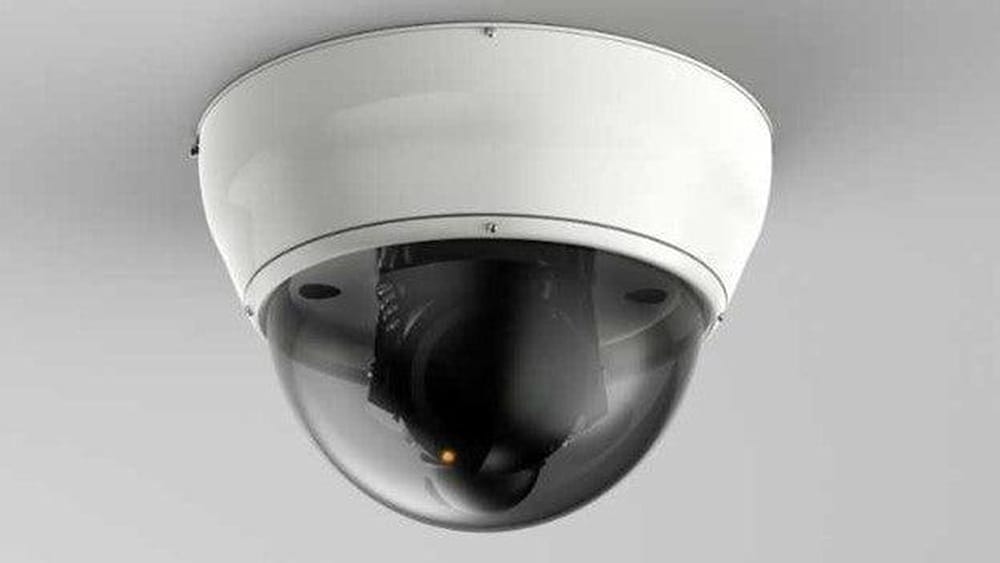
Dome cameras are round and usually sit inside a glass or plastic dome. They often hang from ceilings in stores, banks, and schools. The dome shape makes them less noticeable and harder for someone to tell which way the camera is pointing.
- Size: Usually between 4 to 6 inches in diameter
- Color: White, black, or gray
- Lens: Hidden inside the dome
- Example: You might spot dome cameras above store checkout counters or in hotel lobbies
Bullet Cameras
Bullet cameras look like small tubes or cylinders. They are named after their shape, which is long and thin, like a bullet.
- Size: About 2 to 8 inches long
- Color: Usually white or black
- Mounting: Often fixed to walls or poles
- Lens: Clearly visible at the front
- Example: Used outside buildings and on parking lots
Ptz Cameras
PTZ stands for Pan-Tilt-Zoom. These cameras are larger and have a moving lens. They can turn left, right, up, and down, and zoom in or out.
- Size: Around 6 to 12 inches wide
- Shape: Often dome-shaped, but bigger than standard domes
- Lens: Moves inside the housing
- Example: Found in stadiums, airports, and city surveillance systems
Box Cameras
Box cameras are rectangular and look like a small box with a lens sticking out.
- Size: About 5 to 10 inches long
- Color: Often white or silver
- Mounting: Can be placed on shelves or attached to walls
- Lens: Sometimes adjustable or replaced
- Example: Used in banks, offices, and warehouses
Hidden Cameras
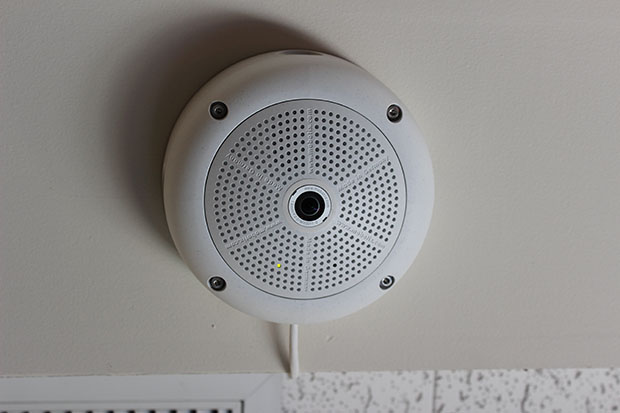
Hidden cameras are made to blend in and not look like cameras at all.
- Shape: Can be disguised as smoke detectors, clocks, or even plants
- Size: Very small, sometimes less than 2 inches
- Color: Depends on the disguise
- Lens: Tiny and hard to spot
- Example: Used for discreet monitoring in homes or offices
Wireless Cameras
Many cameras today are wireless. They do not have large cables, making them look cleaner and less obvious.
- Shape: Often similar to dome or bullet cameras
- Size: Slightly smaller due to fewer parts
- Mounting: Can be placed almost anywhere
- Lens: Visible or hidden, depending on the design
Visual Features That Make Security Cameras Stand Out
While shapes are important, other features help you recognize security cameras.
Lens
The lens is the eye of the camera. Some lenses are big and noticeable, while others are small or hidden.
- Fixed lens: Always visible, pointing in one direction
- Varifocal lens: Can be zoomed or adjusted
- IR lens: Surrounded by tiny LED lights for night vision
Leds And Infrared Lights
Most modern cameras have LEDs around the lens. These lights help the camera see in the dark.
- Number: Usually 6 to 24 small LEDs
- Color: Red or clear when on
- Function: Allows night vision
Housing
The housing is the body of the camera. It protects the lens and electronics.
- Material: Plastic, metal, or glass
- Weatherproof: Some outdoor cameras have rubber seals and thick metal cases
- Color: Often chosen to match the wall or ceiling
Mounting Brackets
Cameras use mounting brackets to attach to walls, ceilings, or poles.
- Style: Fixed or adjustable
- Visibility: Some brackets are large, making the camera more obvious
Cables And Wires
Older cameras use visible cables for power and video.
- Type: Thick black or white wires
- Wireless models: Have only a small power cable, or sometimes no cables at all
Branding And Labels
Many cameras have company logos or model names printed on them.
- Placement: On the housing, near the lens, or on the bracket
- Purpose: Helps identify the maker and sometimes the quality

Credit: trisummit.ca
How Security Cameras Differ By Location
Where a camera is installed affects how it looks. The design changes to suit the environment.
Indoor Cameras
Indoor cameras are often smaller and less rugged. They focus on blending in.
- Shape: Dome, box, or hidden
- Color: Light colors to match ceilings or walls
- Size: Compact, easy to hide
- Features: May lack weatherproofing
Outdoor Cameras
Outdoor cameras are bigger and tougher. They need to survive rain, wind, and sun.
- Shape: Bullet or PTZ
- Color: Often darker or metallic
- Size: Larger for more protection
- Features: Weatherproof housing, visible cables, and large brackets
Public Vs Private Spaces
Cameras in public spaces are usually more visible and clearly labeled.
- Public: Large PTZ or bullet cameras, sometimes with signs
- Private: Smaller dome or hidden cameras
Commercial Vs Residential
Commercial cameras are made to be noticed and deter crime. Residential cameras are often smaller and blend in.
- Commercial: Strong casing, big lens, visible wires
- Residential: Wireless, small, soft colors
Comparison Of Security Camera Types
It can be helpful to see how different camera shapes compare. Below is a simple comparison.
| Type | Shape | Size | Common Features | Visibility |
|---|---|---|---|---|
| Dome | Round | Small to medium | Hidden lens, ceiling mount | Low |
| Bullet | Cylinder | Medium | Visible lens, wall mount | Medium |
| PTZ | Dome/Box | Large | Moving lens, zoom | High |
| Box | Rectangle | Large | Adjustable lens | Medium |
| Hidden | Various | Small | Disguised design | Very low |
Modern Features That Change How Cameras Look
Technology has changed the look of security cameras in recent years. Here are some modern features you might notice.
Miniaturization
Cameras are becoming smaller thanks to better electronics. Some are now as tiny as a coin.
- Tiny lens: Barely visible, often hidden in objects
- Compact body: Easier to install in tight spaces
Wireless And Battery-powered Designs
Wireless cameras avoid bulky wires.
- Cleaner look: No thick cables
- Flexible placement: Can be put almost anywhere
- Battery packs: Sometimes visible on the back
Smart Cameras
Smart cameras, like those used with home automation, often look different.
- Sleek design: Rounded edges, glossy surfaces
- Touch controls: Sometimes included on the body
- LED rings: Show when the camera is active
Integration With Everyday Objects
Some cameras are built into common items.
- Doorbells: Cameras hidden inside smart doorbells
- Lights: Cameras inside floodlights or lamps
- TVs/Monitors: Small cameras inside screens
How To Recognize A Security Camera
If you want to spot a camera, look for these signs:
- Lens: Most cameras have a glass or plastic lens, sometimes surrounded by LEDs.
- Housing: Look for a box, dome, or tube shape attached to a wall or ceiling.
- Brackets: Notice metal or plastic arms holding the device up.
- Cables: Check for wires running to or from the camera.
- Branding: Find logos or model names printed on the device.
- Unusual Objects: If you see a smoke detector, clock, or plant in a strange place, it might hide a camera.
Security Camera Appearance: Data And Trends
The market for security cameras is growing fast. This affects their look and features.
- Global market size: Over $20 billion in 2023, expected to reach $30 billion by 2028
- Dome cameras: Most popular indoor type (about 45% of sales)
- Bullet cameras: Most common outdoors (about 40% of installations)
- Hidden cameras: Growing, but still less than 10% of market
A survey by Security Industry Association found that 75% of businesses prefer dome cameras indoors, while 60% of homeowners choose wireless, compact models.
Real-life Examples: What Security Cameras Look Like
Let’s look at three places and see what cameras typically appear there.
Supermarkets
Supermarkets often use dome cameras. You’ll notice round devices above the entrance, checkout, and aisles. They are usually white and blend into the ceiling. Some stores also use bullet cameras outside near parking lots.
Banks
Banks prefer box cameras and PTZ cameras. You’ll see rectangular cameras with big lenses watching entrances and teller counters. PTZ cameras may be mounted high on walls to cover large areas.
Homes
Homeowners often install wireless cameras. These are small, plastic, and often shaped like a dome or a cylinder. Smart doorbell cameras are also common, with a small lens on the doorbell button.
Security Cameras: How They Change Over Time
Camera design has evolved with technology. Years ago, cameras were big and boxy. Today, many are small and stylish.
- 1980s: Large box cameras, visible cables
- 2000s: Dome cameras appear, more compact
- 2020s: Wireless, smart, and hidden cameras dominate
This shift means cameras are easier to install and less noticeable, but also harder to spot if you don’t know what to look for.
Pros And Cons Of Different Security Camera Looks
Each design has strengths and weaknesses.
| Camera Type | Pros | Cons |
|---|---|---|
| Dome | Discreet, hard to tell direction, blends in | Limited zoom, harder to adjust |
| Bullet | Visible deterrent, easy to aim | Can be vandalized, more obvious |
| PTZ | Wide coverage, zoom capabilities | Large size, expensive |
| Box | Customizable lens, professional look | Bulky, requires more space |
| Hidden | Discreet, good for private monitoring | Limited features, legal issues |
Choosing A Security Camera: What Appearance Matters
When picking a camera, the look is important for both function and style.
- Visibility: Do you want the camera to be noticed or hidden?
- Size: Smaller cameras are easier to hide but may lack features
- Color: Choose a color that matches your wall, ceiling, or outdoor environment
- Mounting: Decide where you can safely attach the camera
- Weatherproofing: For outdoors, pick tough materials and sealed housing
- Style: Some prefer modern, sleek designs that match smart home devices
A common mistake is choosing a camera just for its looks. Make sure it fits your real needs, like field of view, night vision, and wireless options.
Security Cameras In Action: Case Studies
Understanding what a security camera looks like can help you in real life. Here are three case studies.
Case Study 1: Office Building
An office installs dome cameras in hallways and meeting rooms. Employees barely notice them, but the security team can monitor all areas without making people uncomfortable.
Case Study 2: Retail Store
A retail store uses bullet cameras outside and hidden cameras near the cash register. The bullet cameras deter theft by being obvious, while hidden cameras catch dishonest behavior.
Case Study 3: Homeowner
A homeowner installs wireless smart cameras near doors and windows. The cameras are small and match the house color, blending in. The owner checks footage from their phone.
Security Camera Look: Legal And Ethical Issues
The look of a camera can affect privacy and law. Some regions require cameras to be visible and labeled, especially in public places.
- Visible cameras: Usually accepted in stores, banks, and offices
- Hidden cameras: May be illegal if used without consent
- Signs: Often needed to warn people they are under surveillance
It’s wise to check local laws before installing or using hidden cameras.
Non-obvious Insights: What Beginners Often Miss
Many new buyers overlook these facts:
- Lens direction is not always obvious: Some dome cameras can turn inside the dome, so you can’t tell where they’re pointed.
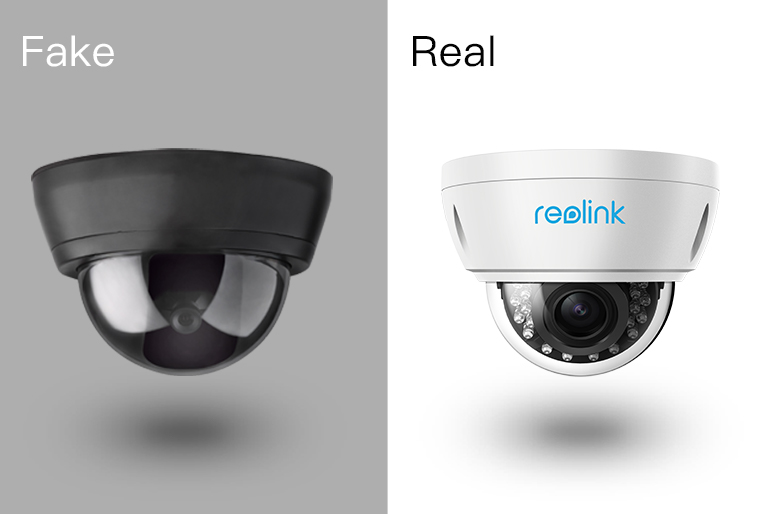
- Fake cameras exist: Some places use dummy cameras, which look real but don’t record. They often have a blinking LED but no lens.
- Camera color affects visibility: A white camera on a dark wall stands out, while a dark camera blends in. This can impact effectiveness.
Credit: reolink.com
Security Camera Looks: Expert Tips
- Match the environment: Pick a camera that blends into your space if you want privacy or discretion.
- Use visible cameras for deterrence: If preventing crime is your goal, choose a model that stands out.
- Don’t forget maintenance: Cameras with clear lenses and visible housing are easier to clean and repair.
- Think about lighting: Cameras with LED lights are better for night vision but may stand out more.
Security Camera Looks: Quick Reference Guide
Here’s a brief guide to help you identify cameras:
- Dome: Round, often ceiling-mounted, lens hidden
- Bullet: Tube-shaped, wall-mounted, lens visible
- Box: Rectangular, often with a big lens
- PTZ: Large, can move and zoom
- Hidden: Disguised as other objects
For more detailed information on types and features, visit the Wikipedia Security Camera page.
Credit: www.urbanlegendnews.org
Frequently Asked Questions
What Is The Easiest Way To Spot A Security Camera?
Look for a glass or plastic lens, usually facing an entrance or important area. Cameras often have LED lights, a box or dome shape, and are mounted high on walls or ceilings.
Are All Security Cameras Visible?
No. Some cameras are hidden inside everyday objects like clocks, smoke detectors, or plants. These hidden cameras are designed to blend in and may be hard to spot.
How Big Are Security Cameras Usually?
Most cameras are between 4 and 10 inches wide or long. Mini cameras can be as small as 2 inches, while PTZ and box cameras may be bigger, up to 12 inches.
Can Security Cameras Look Different At Night?
Yes. Many cameras have infrared LEDs around the lens that glow red or clear in the dark. This helps them record at night and can make them more noticeable.
Do Security Cameras Have To Be A Certain Color?
No. Cameras come in many colors. Most are white, black, or gray to match walls and ceilings. Outdoor cameras may be metallic or dark to hide dirt and weather effects.
Final Thoughts
Security cameras come in many shapes, sizes, and styles. The way a camera looks depends on where it is used, what it needs to do, and the latest technology. From dome and bullet designs to hidden and wireless models, each type has its own strengths and weaknesses.
Recognizing these features helps you make smart choices, improve security, and avoid mistakes. Remember, the best camera is not just about looks—it’s about meeting your real needs for safety, privacy, and peace of mind.