
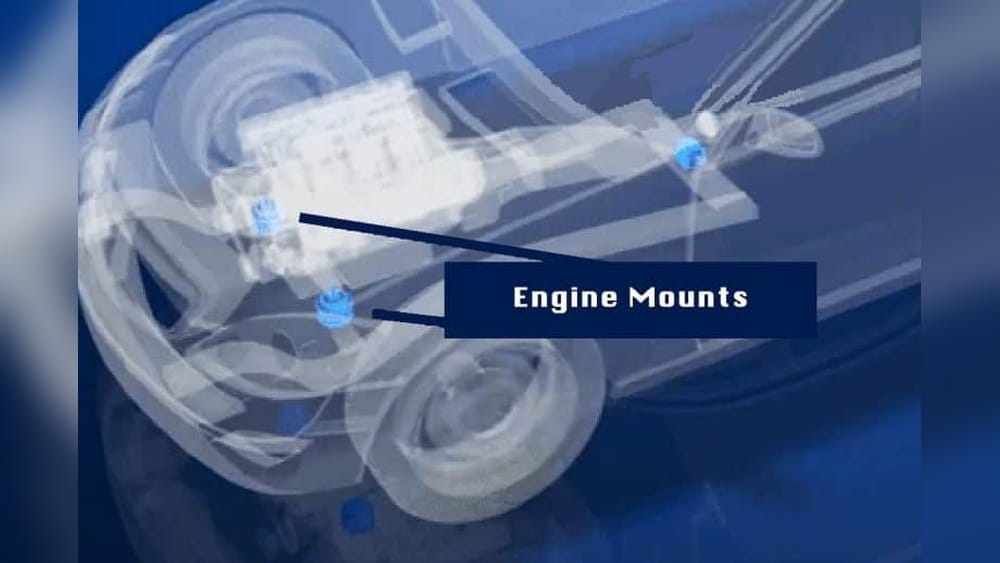
A car is a complex machine with many moving parts, but there’s one component you might not think about until it fails: the motor mount. This small part plays a big role in keeping your ride smooth, quiet, and safe. Many drivers don’t know what a motor mount is or why it matters, but understanding this hidden hero can help you keep your vehicle running its best and avoid costly repairs. Let’s take a closer look at what a motor mount does, how it works, and why you should care.
What Is A Motor Mount?
A motor mount, sometimes called an engine mount, is a device that connects the engine of your vehicle to the frame or chassis. Its main job is simple: hold the engine in place. But it does much more than just act as a bracket.
Motor mounts are usually made of two main materials:
- Metal: Provides strength and stability.
- Rubber (or sometimes liquid-filled): Absorbs vibrations and noise.
Some modern motor mounts use advanced materials or even electronic controls to do their job better. No matter the design, the basic goal is the same: keep the engine secure while reducing the amount of vibration and noise that enters the cabin.
The Role Of A Motor Mount
The engine creates a lot of movement and force as it runs. Without a motor mount, the engine would shake, move around, and possibly damage other parts of the car. Imagine driving and feeling the engine bouncing every time you hit the gas or go over a bump—motor mounts prevent this.
A typical car will have three to four motor mounts, depending on the size and configuration of the engine. Some cars, especially those with larger or more powerful engines, may have more.
How Do Motor Mounts Work?
To understand how a motor mount works, it helps to picture it as a bridge between the engine and the car’s body. The engine needs to be held firmly so it doesn’t move, but it also needs to be cushioned so vibrations and noise don’t travel into the passenger area.
Here’s how it works step by step:
- The engine is bolted to the motor mount.
- The motor mount is attached to the car’s frame or subframe.
- The rubber or liquid section inside the mount absorbs shocks and vibrations.
- Any movement from the engine is dampened before it reaches the rest of the car.
This process keeps the engine steady, even when you accelerate quickly, brake hard, or drive over rough roads.
Types Of Motor Mounts
Motor mounts come in several types, each with its own benefits and use cases.
1. Conventional Rubber Motor Mounts
These are the most common. They use a simple design with rubber sandwiched between metal plates. The rubber absorbs most of the engine’s vibration.
2. Hydraulic (liquid-filled) Motor Mounts
Hydraulic mounts have chambers filled with special fluid. This liquid absorbs and disperses vibrations better than rubber alone, making rides smoother and quieter. They’re popular in modern cars, especially luxury models.
3. Electronic Or Active Motor Mounts
Some new vehicles use electronic mounts with sensors and actuators. These can change their stiffness in real time to match the engine’s needs. They’re more expensive, but offer the best performance in reducing noise and vibration.
4. Polyurethane Motor Mounts
Polyurethane mounts are stiffer than rubber, often used in performance or racing cars. They provide less cushion but hold the engine even more firmly, improving throttle response and handling.
5. Solid Motor Mounts
Made entirely from metal, these are rare outside of racing. They allow zero movement but transfer all vibration to the car’s frame—great for speed, bad for comfort.
Why Are Motor Mounts So Important?
It’s easy to overlook motor mounts, but they play a critical role in your vehicle’s operation and your comfort as a driver.
1. Safety
A loose or broken motor mount can cause the engine to shift or move. In extreme cases, this can damage other parts, interfere with steering, or even lead to accidents. The motor mount keeps the engine exactly where it’s supposed to be.
2. Comfort
Without motor mounts, every vibration or movement from the engine would travel directly into the car’s cabin. This would make for a noisy, rough, and uncomfortable ride.
3. Protecting Other Components
When an engine moves too much, it puts extra stress on hoses, wires, exhaust parts, and more. Over time, this can lead to leaks, broken connections, or expensive repairs.
4. Performance
A secure engine allows for better throttle response and handling. In performance cars, special mounts help keep the engine steady during hard driving.
5. Longevity
Motor mounts help reduce wear and tear on many parts of your car, not just the engine. By absorbing vibrations and keeping things stable, they extend the life of your vehicle.
Signs Of A Bad Motor Mount
Motor mounts are built to last, but they don’t last forever. Most will work well for 5 to 7 years, but this can depend on driving style, vehicle type, and road conditions. When a mount starts to fail, your car will usually let you know.
Here are some common warning signs:
- Excessive vibration: If you feel more shaking than usual, especially when idling, it could be a failing mount.
- Clunking or banging noises: These may happen when accelerating, braking, or going over bumps.
- Engine movement: If you look under the hood and see the engine shifting when revving or shifting gears, that’s a red flag.
- Misaligned engine: Sometimes, the engine may appear tilted or out of place.
- Unusual wear on hoses or wires: Too much engine movement can stretch or break attached parts.
Ignoring these signs can lead to bigger problems, including damage to the exhaust system, radiator, or even the transmission.
How To Check And Replace A Motor Mount
If you suspect a problem with your motor mount, it’s important to have it checked by a professional. However, if you’re comfortable with car repairs, you can inspect or even replace a motor mount yourself.
Step-by-step Guide To Checking Motor Mounts
- Visual Inspection: Open the hood and look at the mounts. Check for cracks in the rubber, leaking fluid (for hydraulic mounts), or obvious wear.
- Engine Movement Test: With the parking brake on and the car in neutral or park, have someone watch the engine as you gently rev it. Too much movement is a bad sign.
- Noise Check: Listen for clunks or bangs when shifting between drive and reverse.
Replacing A Motor Mount
If a mount is bad, replacement is the only real fix. Here’s a general overview of the process:
- Raise the vehicle using a jack and secure it safely.
- Support the engine with another jack to prevent it from dropping.
- Unbolt the old mount from the engine and the chassis.
- Install the new mount and tighten all bolts to the manufacturer’s specs.
- Lower the engine and vehicle carefully.
Replacing motor mounts can take anywhere from 1 to 4 hours, depending on the vehicle. Some mounts are easy to reach, while others are hidden deep in the engine bay.
Motor Mounts: Comparison By Type
Different types of motor mounts offer unique advantages and disadvantages. Here’s a direct comparison:
| Type | Material | Main Benefit | Main Drawback | Common Usage |
|---|---|---|---|---|
| Rubber | Metal & Rubber | Good vibration absorption | Wears out over time | Standard vehicles |
| Hydraulic | Metal & Fluid | Superior comfort | Costly, can leak | Luxury vehicles |
| Polyurethane | Metal & Polyurethane | Stiff, durable | Less comfort | Performance cars |
| Solid | Metal | Ultimate stability | No vibration dampening | Racing |
| Electronic | Metal, Sensors, Actuators | Adaptive performance | Expensive, complex | High-end models |
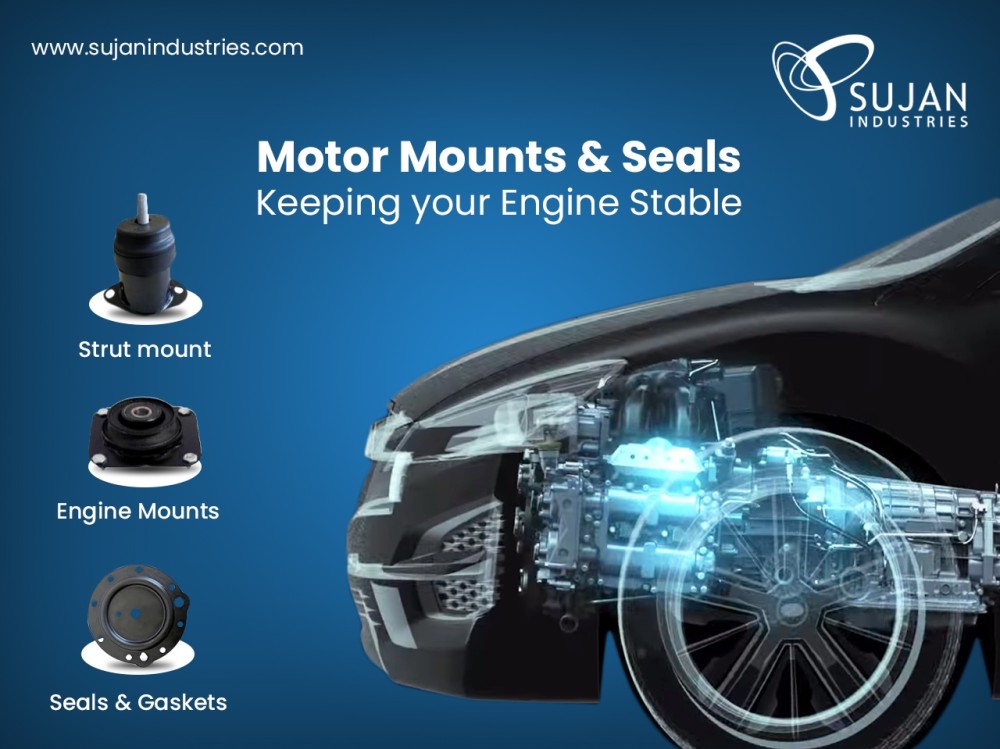
Credit: www.sujanindustries.com
Cost Of Motor Mounts: What To Expect
The price of a motor mount can vary widely. Here are typical costs:
- Basic rubber mounts: $30–$70 each
- Hydraulic mounts: $60–$200 each
- Electronic mounts: $200–$500 each
- Labor costs: $100–$400 per mount, depending on location and vehicle
Total replacement cost can range from $150 to over $1,000 if several mounts are replaced. Luxury and performance cars usually cost more.
How Long Do Motor Mounts Last?
Most motor mounts last between 60,000 and 100,000 miles. However, there are factors that can shorten their lifespan:
- Aggressive driving: Fast acceleration, hard braking, and rough roads all put extra stress on mounts.
- Leaking oil or fluid: Oil can break down the rubber in mounts, causing them to fail sooner.
- Engine upgrades: More power means more movement, which can wear mounts out faster.
It’s smart to check your mounts during major services, like timing belt changes or transmission work.

Credit: repairpal.com
Motor Mounts In Different Vehicles
Passenger Cars
Most passenger cars use rubber or hydraulic mounts for the best balance of comfort and cost. These are usually enough to keep small to mid-size engines in place.
Trucks And Suvs
Larger vehicles with heavier engines often use stronger or more numerous mounts. Trucks may use stiffer mounts to handle towing or off-road use.
Performance And Racing Cars
These vehicles often use polyurethane or solid mounts. The goal is to keep the engine as steady as possible, even if it means more vibration inside the car.
Electric Vehicles (evs)
EVs don’t have traditional engines, but they still use mounts to secure the motor. These mounts may be specially designed to handle the unique vibrations and torque of electric motors.
Motor Mount Failures: Real-world Examples
Motor mount failure is more common than many people think. According to a survey by AAA, about 7% of drivers have experienced some kind of engine mount problem during their vehicle’s life. Here are a few real-world scenarios:
- Honda Accord (2008–2012): Many owners reported hydraulic mount failures around 60,000 miles, leading to strong vibrations and extra noise.
- BMW 5 Series: Some models with electronic mounts developed faults in the control unit, causing warning lights and rough engine behavior.
- Ford F-150: Trucks used for heavy towing often saw early wear on the front motor mounts, especially after off-road trips.
In each case, replacing the mounts restored smooth operation and prevented further damage.
Motor Mounts Vs. Transmission Mounts
While motor mounts hold the engine, transmission mounts secure the transmission. Both are important, and they often work together. In some cars, a bad motor mount can put extra stress on the transmission mount, causing it to fail as well.
Here’s a brief comparison:
| Feature | Motor Mount | Transmission Mount |
|---|---|---|
| Function | Holds engine | Holds transmission |
| Location | Engine bay | Under transmission |
| Common Problems | Vibration, clunking | Shifting issues, noise |
| Replacement Cost | $150–$700 | $100–$500 |
Upgrading Motor Mounts: Should You?
Some drivers consider upgrading their motor mounts for better performance. Here’s when it makes sense:
- Performance upgrades: If you’ve added more horsepower, stiffer mounts can help keep things under control.
- Racing or track use: Solid or polyurethane mounts can handle the stress of racing, though they reduce comfort.
- Frequent towing or hauling: Trucks that work hard may benefit from stronger mounts.
However, stiffer mounts mean more vibration inside the cabin. For daily drivers, the stock mounts are usually the best choice.
Common Myths About Motor Mounts
There are a few misunderstandings about motor mounts. Let’s clear them up:
- “A little vibration is normal.”
- While some vibration is normal, a sudden increase usually means something is wrong.
- “Motor mounts don’t affect safety.”
- In reality, a failed mount can cause serious engine movement, leading to accidents or major damage.
- “All motor mounts are the same.”
- Different cars need different mounts. Using the wrong type can lead to problems.
- “You can ignore a worn mount if the car still drives.”
- Ignoring a bad mount can damage other expensive parts.
- “All mounts last the lifetime of the car.”
- Most mounts wear out and need replacement at least once during a vehicle’s life.
How To Extend The Life Of Your Motor Mounts
Motor mounts are not maintenance-free, but you can help them last longer with a few simple habits:
- Drive gently: Avoid hard acceleration and sudden stops.
- Fix oil leaks quickly: Oil can break down rubber mounts.
- Avoid potholes and rough roads: Less shock means less stress on mounts.
- Inspect during service: Ask your mechanic to check mounts during regular maintenance.
These steps can add years to your motor mounts’ lifespan and save you money in the long run.
Environmental Impact And Recycling
Motor mounts contain metal, rubber, and sometimes fluid. When they are replaced, many shops recycle the metal parts, but rubber and fluid are harder to process. Some manufacturers are developing more eco-friendly materials and designs.
If you’re replacing mounts yourself, check local rules for disposing of old parts, especially hydraulic mounts that contain oil or special fluids.
The Future Of Motor Mounts
With advances in automotive technology, motor mounts are changing too. Here are some trends to watch:
- Active mounts with sensors: These can adjust to driving conditions for maximum comfort and performance.
- Lighter materials: New composites and alloys reduce weight, improving fuel economy.
- Longer life: Improved designs and materials mean mounts that last longer, even in tough conditions.
- Smart diagnostics: Some cars can now warn you about failing mounts before you notice any symptoms.
As electric vehicles become more common, new types of mounts will be needed to deal with different kinds of vibrations and forces.
For more on how these technologies are developing, check this Wikipedia article on engine mounts.
Credit: repairpal.com
Frequently Asked Questions
What Happens If I Drive With A Bad Motor Mount?
Driving with a bad mount can lead to excessive engine movement, increased vibration, and noise. Over time, it can damage other parts like hoses, wiring, or the exhaust system. In rare cases, it can even cause engine misalignment or safety risks.
How Do I Know Which Motor Mount Is Bad?
Common clues include vibration during idle, clunking noises when shifting gears, or visible movement of the engine. A mechanic can pinpoint the exact mount using visual checks or special tools.
Can I Replace A Motor Mount Myself?
If you have mechanical skills and the right tools, you can replace a motor mount at home. However, it requires safely supporting the engine and working in tight spaces. If unsure, it’s safer to let a professional handle it.
Are Aftermarket Motor Mounts As Good As Original Ones?
Quality varies. Some aftermarket mounts are as good or better than original parts, especially those made for performance. Cheap mounts may not last as long or fit as well. Always choose a trusted brand and match your vehicle’s needs.
Do Motor Mounts Affect Fuel Economy?
A bad motor mount does not directly lower fuel economy. However, if it causes the engine or transmission to shift, it might lead to less efficient operation or extra strain on other components, which could affect mileage over time.
—
Understanding motor mounts may not seem exciting, but these small parts have a huge impact on your car’s performance, comfort, and safety. By knowing what they do, how to spot problems, and when to replace them, you can keep your vehicle running smoothly for years. Whether you drive a family sedan, a powerful truck, or a sports car, good motor mounts are key to a great driving experience.