
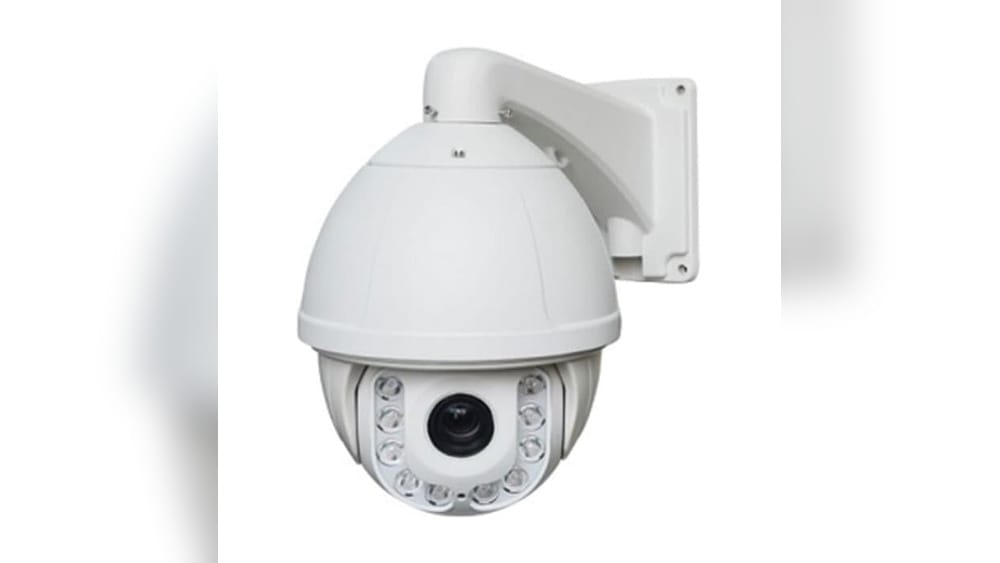
A PTZ security camera is a powerful tool for modern surveillance. You may have seen these cameras in shopping malls, parking lots, or even on traffic poles. Their unique design lets them move in different directions and zoom in to capture detailed footage.
But what makes a PTZ camera special? Why do businesses and homeowners choose them over other types? Understanding PTZ cameras can help you decide if they are the right fit for your security needs.
This article dives deep into PTZ security cameras—what they are, how they work, their features, and what sets them apart. You’ll also learn about the real-world benefits, things to watch out for, and practical tips for choosing and installing a PTZ camera.
By the end, you’ll have a clear picture of PTZ cameras and how they can protect your property.
What Is A Ptz Security Camera?
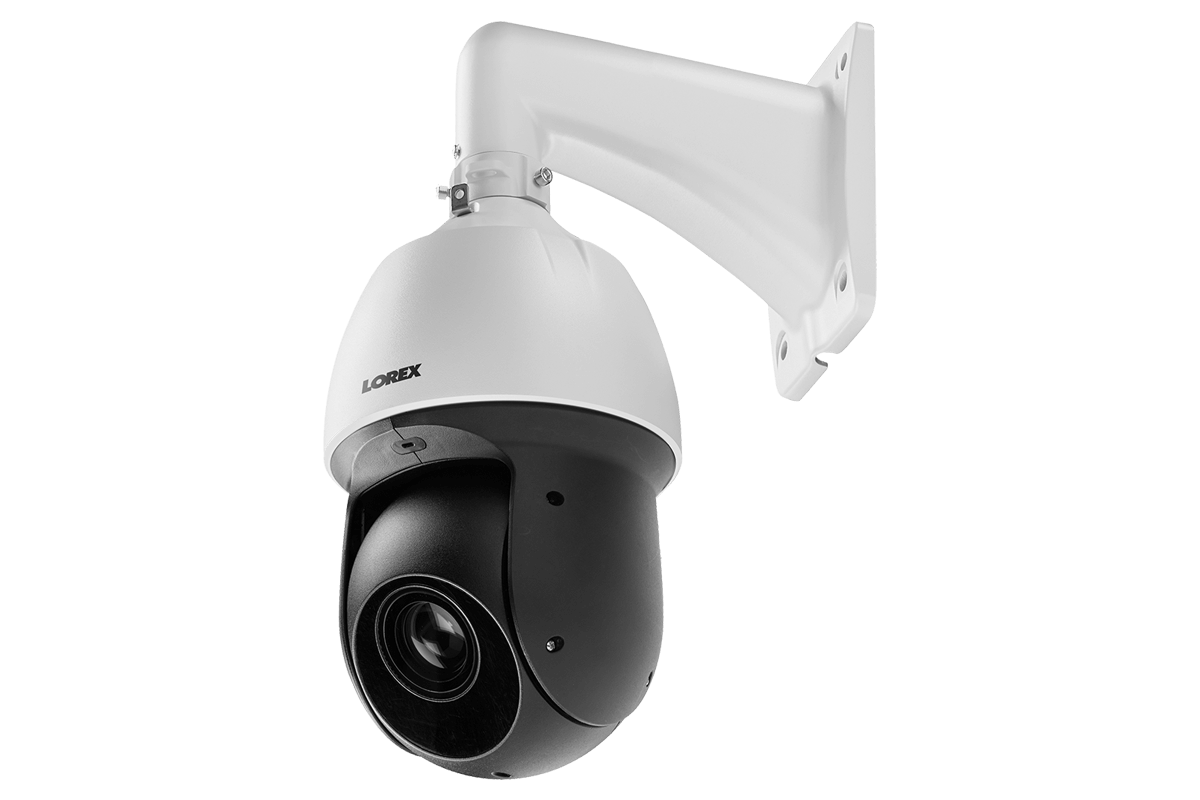
A PTZ security camera is a type of surveillance camera that can Pan, Tilt, and Zoom. These movements are controlled remotely, giving users the power to watch large areas and focus on specific details. The letters “PTZ” stand for:
- Pan: Moving the camera left or right
- Tilt: Moving the camera up or down
- Zoom: Making the image larger or smaller
This ability to move and zoom sets PTZ cameras apart from fixed cameras, which only view one area.
How Ptz Cameras Work
Inside each PTZ camera are motors and gears that move the lens. The camera operator can use a joystick, software, or even a mobile app to move the camera. Some PTZ cameras can also move automatically if they detect motion or follow pre-set patterns.
Most PTZ cameras use high-quality lenses. These lenses let them optically zoom (change the view without losing image quality), not just digitally zoom (enlarge pixels, which can get blurry). This makes PTZ cameras ideal for watching both large spaces and small details.
Typical Uses Of Ptz Cameras
PTZ cameras are often used in:
- Shopping malls to follow suspicious people
- Airports and stations for crowd control
- Parking lots to zoom in on car license plates
- Stadiums to cover wide areas and spot incidents
- City surveillance for monitoring traffic and public safety
Their flexible movement and zoom make them a favorite for places that need active, real-time monitoring.
Key Features Of Ptz Security Cameras
Understanding the main features helps you see why PTZ cameras are so popular. Let’s look at the most important ones.
1. Pan, Tilt, And Zoom Capability
The core feature is obvious—the ability to pan (rotate horizontally), tilt (move vertically), and zoom (optical or digital). Some cameras can pan a full 360 degrees, tilt up to 180 degrees, and zoom 20x, 30x, or more.
2. Remote Control
Operators can control PTZ cameras from a control room or even a smartphone. This is useful for tracking moving people or vehicles without having to be on-site.
3. Preset Tours And Auto-tracking
PTZ cameras can be programmed to follow specific routes or patterns, called presets or patrols. Some advanced models have auto-tracking, which means the camera follows a moving object automatically.
4. High Resolution
Most PTZ cameras offer HD (1080p) or even 4K resolution. This allows for clear images, even when zoomed in.
5. Low-light And Night Vision
Many PTZ cameras have infrared (IR) LEDs or low-light sensors. They can capture clear images even in darkness, which is essential for 24/7 security.
6. Weatherproof And Durable
Outdoor PTZ cameras are built to handle rain, dust, and extreme temperatures. They usually have IP66 or IP67 weatherproof ratings.
7. Integration With Security Systems
PTZ cameras can be connected to alarms, motion detectors, and video management software. This allows them to react automatically to events, such as moving to a preset position when an alarm goes off.
How Ptz Cameras Compare To Other Security Cameras
Choosing the right camera for your needs can be confusing. Here’s a comparison of PTZ cameras with other common types: fixed, dome, and bullet cameras.
| Type | Movement | Zoom | Best For | Drawbacks |
|---|---|---|---|---|
| PTZ | Pan, Tilt, Zoom | Optical & Digital | Large, dynamic spaces | Higher cost, needs operator |
| Fixed | None | Digital (limited) | Small, fixed areas | No movement, blind spots |
| Dome | Usually fixed, some PTZ models | Digital or Optical | Discreet indoor/outdoor use | Limited range (fixed models) |
| Bullet | Fixed direction | Digital (limited) | Perimeter monitoring | Easy to spot, fixed view |
As you can see, PTZ cameras are unique because of their movement and zoom features. They are best for situations where you need flexibility and active monitoring.
How Does A Ptz Camera Move And Zoom?
The movement in a PTZ camera is possible due to small electric motors inside. When you send a command (from a joystick, app, or software), the motors turn the camera horizontally (pan), tilt it up or down, or change the lens position (zoom).
Types Of Zoom
There are two main types of zoom in PTZ cameras:
- Optical zoom: This uses the camera’s lens to magnify the image, keeping it sharp and clear even when zoomed in.
- Digital zoom: This enlarges the image using software, which can cause the picture to get blurry or pixelated.
Most quality PTZ cameras use a strong optical zoom (10x, 20x, 30x, or more). This is key for identifying faces, license plates, or small details from a distance.
Preset Positions And Patterns
You can program a PTZ camera with preset positions. For example, a camera can automatically move from the parking lot, to the front door, to the loading dock, spending 10 seconds on each. Some cameras allow dozens or even hundreds of presets.
Auto-tracking is another advanced feature. If the camera detects motion, it can follow the moving object—like a person walking through a store.
Benefits Of Ptz Security Cameras
There are several reasons why PTZ cameras are a smart choice for many security needs.
1. Wide Coverage Area
A single PTZ camera can cover a huge area, often replacing several fixed cameras. This saves money and reduces the number of devices you need to install and maintain.
2. Flexible Monitoring
Operators can react in real-time, zooming in on suspicious activity or following a moving person or car. This active monitoring is not possible with fixed cameras.
3. High-quality Detail
With strong optical zoom and high resolution, PTZ cameras can provide clear images for identifying suspects, license plates, or other important details.
4. Cost Efficiency
Even though PTZ cameras are more expensive per unit, you may need fewer of them to cover the same area as multiple fixed cameras. This can lower installation and maintenance costs over time.
5. Event-driven Response
PTZ cameras can work with alarms and motion sensors to react automatically to events. For example, if a motion sensor is triggered, the camera can quickly zoom in on that area.
6. Fewer Blind Spots
Because PTZ cameras can move, there are fewer areas they cannot see. This reduces blind spots and improves overall security coverage.
Common Drawbacks And Limitations
While PTZ cameras are powerful, they are not perfect for every situation.
1. Higher Cost
PTZ cameras are more expensive than fixed models. The motors, gears, and advanced features add to the price.
2. Requires Active Monitoring
To get the most from a PTZ camera, someone needs to operate it or set up automatic patterns. Without active control, it may miss important events.
3. Not Always Recording Everything
When a PTZ camera is focusing on one area, it may miss something happening elsewhere. With fixed cameras, each area is always recorded.
4. Mechanical Wear
Because PTZ cameras have moving parts, they can wear out over time. Regular maintenance is important to keep them working smoothly.
5. Complexity
Setting up and controlling PTZ cameras can be more complex than fixed cameras. This can be a challenge for beginners or small businesses with limited tech skills.
6. Vulnerability To Hacking
Like all network devices, PTZ cameras can be targets for hackers if not properly secured. Always use strong passwords and keep firmware updated.
Credit: www.lorex.ca
Where Are Ptz Cameras Used?
PTZ cameras are found in many environments. Their flexibility makes them useful for both public and private spaces.
City Surveillance
Cities use PTZ cameras to monitor public areas, streets, and traffic. They can zoom in on accidents, follow suspicious activity, and provide evidence for law enforcement.
Retail Stores
In large stores or malls, PTZ cameras follow shoplifters or suspicious customers. Security staff can watch multiple aisles and zoom in on problem areas.
Parking Lots
A PTZ camera can cover a large parking lot, zooming in to read license plates or watch for break-ins. This is more efficient than installing many fixed cameras.
Airports And Transportation Hubs
Airports use PTZ cameras for crowd control and safety. They can follow people through terminals, zoom in on security threats, or keep an eye on entrances and exits.
Stadiums And Arenas
Large venues need to monitor thousands of people. PTZ cameras help security teams spot fights, follow fans, or zoom in on emergency situations.
Industrial And Warehouse Sites
Businesses use PTZ cameras to cover large yards, loading docks, and sensitive areas. They help prevent theft and monitor the safety of workers.
Home Security
Some homeowners choose PTZ cameras for large properties or gated entrances. These cameras can watch driveways, yards, and outbuildings, moving to follow visitors or vehicles.
How To Choose The Right Ptz Security Camera
With so many options, picking the right PTZ camera can be tricky. Here’s what to consider:
1. Zoom Range
Look for cameras with at least 10x optical zoom for outdoor use. For large areas like parking lots, a 20x or 30x zoom is better. More zoom means you can see faraway details clearly.
2. Resolution
Choose a camera with at least 1080p HD resolution. For critical areas, 4K models offer even more detail.
3. Night Vision
Check the camera’s night vision range. Some can see up to 300 feet in total darkness. Make sure the infrared LEDs are strong enough for your needs.
4. Weatherproof Rating
For outdoor use, pick a camera with IP66 or IP67 weatherproof rating. This keeps the camera safe from rain, dust, and extreme temperatures.
5. Control Options
Decide how you want to control the camera. Some use a joystick, others use software or a mobile app. Make sure it integrates with your existing security system.
6. Power Supply
Some PTZ cameras use Power over Ethernet (PoE), which sends power and data through one cable. Others need separate power and data cables. PoE is usually easier to install.
7. Integration
If you have other security equipment, check that the PTZ camera can connect to your NVR (network video recorder), alarms, or software.
8. Budget
PTZ cameras can range from a few hundred to several thousand dollars. Don’t overspend on features you won’t use, but avoid cheap models that may break down quickly.
9. Warranty And Support
Check the warranty and the brand’s reputation for support. PTZ cameras are complex, so good support is valuable if something goes wrong.
10. Security Features
Look for cameras with strong password protection, encryption, and regular firmware updates. This helps protect against hacking.

Credit: www.cctvcamerapros.com
Installing A Ptz Security Camera: Key Steps
Proper installation is critical for getting the best results from your PTZ camera. Here’s a step-by-step guide:
1. Choose The Right Location
Pick a high spot with a wide view. Make sure there are no obstacles blocking the camera’s movement.
2. Mount The Camera Securely
Use strong brackets and bolts. Outdoor cameras should be mounted to resist wind and tampering.
3. Connect Power And Data
For PoE cameras, one cable carries both. For others, connect separate power and network cables.
4. Set Up Network And Software
Connect the camera to your network. Install any software or apps needed for control.
5. Program Presets And Patterns
Set up common viewing points and patrol routes. This lets the camera scan multiple areas automatically.
6. Test Camera Movement And Zoom
Make sure pan, tilt, and zoom work smoothly. Check image quality at different zoom levels.
7. Integrate With Other Systems
Link the camera to alarms, motion detectors, or video recording systems.
8. Secure The Camera
Change default passwords, enable encryption, and update firmware to protect against hackers.
Practical Tips For Better Ptz Performance
- Avoid placing PTZ cameras behind glass; IR night vision won’t work well through glass.
- Regularly check for dust or dirt on the lens and housing.
- Update the camera’s firmware for new features and security fixes.
- If possible, use a surge protector to prevent damage from lightning or power spikes.
- Consider a backup power source (like a battery or UPS) for critical areas.
Real-world Example: Ptz Camera In A Shopping Mall
A large shopping mall installs several PTZ cameras. Each camera covers a wide area, such as the main entrance, food court, and parking lot. When security staff see a group acting suspiciously, they use the PTZ camera to zoom in and follow them through the mall.
If there is an emergency, the camera can focus on the exit doors to help guide people out safely.
This setup means the mall needs fewer cameras overall and can respond quickly to incidents. The cameras’ recordings also help police solve crimes after the fact. This is a good example of how PTZ cameras offer both flexibility and strong evidence.
Ptz Camera Data: Market Trends And Statistics
The use of PTZ cameras is rising worldwide. According to research from MarketsandMarkets, the global video surveillance market is expected to reach $74.6 billion by 2025, with PTZ cameras making up a significant share. Businesses, governments, and even homeowners are investing more in advanced surveillance.
Some interesting facts:
- Over 60% of city surveillance systems use PTZ cameras for their main monitoring.
- PTZ cameras can cut the number of cameras needed by up to 50% in large open areas.
- The most popular zoom levels for PTZ cameras are 20x and 30x.
Ptz Camera Myths And Misunderstandings
Some people think PTZ cameras are too complex or only for big businesses. In reality, prices have dropped, and many models are easy to use. Another common myth is that PTZ cameras “see everything at once. ” In fact, when they are zoomed in or pointed in one direction, they may miss action elsewhere—so placement and setup are key.
Many believe PTZ cameras are always better than fixed cameras. But in small rooms or places that always need to be recorded, fixed cameras can be a better choice. PTZ cameras shine where flexibility and wide-area coverage are needed.
Cost Breakdown: Ptz Vs. Fixed Cameras
Here’s a quick cost comparison to help you plan:
| Camera Type | Unit Cost | Coverage Area | Number Needed for 1 Acre | Total Cost |
|---|---|---|---|---|
| PTZ | $500–$2,000 | Wide (up to 360°) | 1–2 | $1,000–$4,000 |
| Fixed | $100–$400 | Narrow (70–90°) | 6–10 | $600–$4,000 |
While PTZ cameras cost more per unit, you may need fewer of them. Always consider installation and maintenance costs as well.
Integrating Ptz Cameras With Other Security Systems
PTZ cameras work best when combined with other security measures. Here’s how integration can boost your safety:
- With motion sensors: PTZ cameras can move to an area when motion is detected, increasing the chance of catching important events.
- With alarms: If an alarm goes off, the camera can focus on the triggered zone.
- With video analytics: Advanced software can alert operators to suspicious behavior, prompting them to zoom in or follow a subject.
- With access control: Cameras can watch doors or gates, focusing in when someone uses a keycard or code.
This integration turns your security system from passive to active, improving response times and outcomes.

Credit: www.lorex.ca
Future Trends In Ptz Security Cameras
Technology is moving fast. Here are some trends to watch:
- AI-based auto-tracking: New PTZ cameras use artificial intelligence to follow people or vehicles more accurately.
- Cloud storage: More cameras are sending footage to the cloud for easier access and sharing.
- Wireless PTZ cameras: These are easier to install, especially in places where running cables is hard.
- Improved night vision: Some new models use “starlight” sensors for color images even in low light.
- Smarter integration: Cameras are working better with smart home and business systems.
If you’re buying a PTZ camera, look for models that can be updated or that support these new features.
Two Key Insights Most Beginners Miss
- Preset Planning Matters: Simply installing a PTZ camera is not enough. You need to plan and program preset patrol routes to make sure all critical areas are covered. Many beginners skip this step, leading to missed incidents.
- Zoom Level vs. Field of View: The higher the optical zoom, the narrower the field of view when fully zoomed in. This means you can miss side activity. Beginners often over-focus on zoom power and forget about the need for wide-angle coverage when not zoomed.
Frequently Asked Questions
What Does Ptz Stand For In Security Cameras?
PTZ stands for Pan, Tilt, Zoom. These cameras can move left/right (pan), up/down (tilt), and zoom in or out, all controlled remotely.
Are Ptz Cameras Good For Home Security?
Yes, PTZ cameras can be a good choice for large homes, driveways, or properties with multiple areas to watch. For small spaces, a fixed camera may be simpler and cheaper.
Do Ptz Cameras Record All The Time?
Some PTZ cameras record 24/7, but often they record only what is in their current field of view. If the camera is pointed elsewhere, it may miss events in other areas.
How Far Can A Ptz Camera See?
It depends on the model. Many PTZ cameras can identify faces or license plates from 300 to 1,000 feet away, thanks to strong optical zoom.
Can Ptz Cameras Be Hacked?
Like all network devices, PTZ cameras can be hacked if not secured. Use strong passwords, enable encryption, and keep the firmware updated to reduce risk. For more on camera security, visit FTC Consumer Advice.
A PTZ security camera is a smart investment for anyone who needs flexible, wide-area surveillance. With their ability to move and zoom, they offer both a bird’s-eye view and close-up detail. While they cost more and need active management, their benefits are clear in many settings.
Whether you’re protecting a business, a public space, or your own home, understanding PTZ cameras puts you in control of your security.