
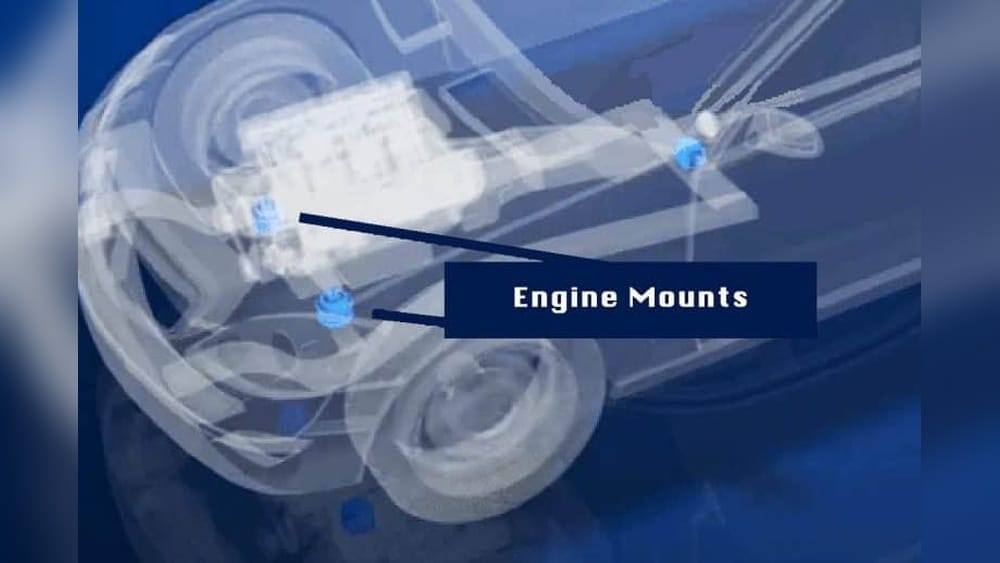
Cars, trucks, and even motorcycles all have one thing in common: their engines need to stay firmly connected to the rest of the vehicle. But engines are heavy, loud, and full of moving parts that vibrate. If you just bolted an engine directly to the frame, the ride would be rough, noisy, and parts would wear out quickly. That’s where the engine mount comes in—a simple but critical component that quietly works behind the scenes. For most drivers, engine mounts are out of sight and out of mind. Yet, they play a huge role in comfort, safety, and vehicle longevity. Understanding what an engine mount is, how it works, and what can go wrong can help you spot issues early and avoid bigger repair bills.
What Is An Engine Mount?
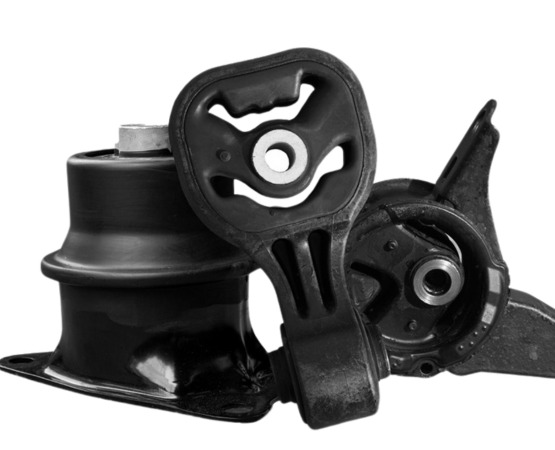
An engine mount is a part that connects the engine to the chassis (the main frame) of a vehicle. It usually includes a combination of strong metal and flexible rubber. The metal gives strength and holds the engine in place. The rubber absorbs vibrations and reduces the amount of engine noise that enters the vehicle cabin.
Without engine mounts, the engine would shake the whole car every time you started, accelerated, or hit a bump. The mount acts like a bridge and a cushion at the same time. It holds the engine securely, but also allows it to move slightly to absorb and dampen vibrations.
Most vehicles use three to five engine mounts. The exact number and placement depends on the size, weight, and design of the engine and the vehicle itself.
Main Functions Of An Engine Mount
1. Securing The Engine
The most obvious job of the engine mount is to hold the engine in place. Engines are heavy—an average car engine can weigh between 300 and 700 pounds (136 to 318 kilograms), while truck engines can be much heavier. When you accelerate, brake, or turn, the engine tries to move. The mount keeps it from shifting, tipping, or banging into other parts.
2. Absorbing Vibrations
Engines create a lot of vibration. Pistons move up and down at high speed, and the whole block shakes as a result. If these vibrations went directly into the car frame, the ride would be noisy and uncomfortable. The rubber part of the mount acts like a shock absorber, soaking up these vibrations and keeping the cabin quiet and smooth.
3. Reducing Noise
By isolating the engine from the chassis, the mount also reduces noise. Without mounts, engine sounds would travel straight into the passenger area. Modern mounts are designed to block different types of noise, making the drive more pleasant.
4. Allowing Controlled Movement
Engines need to move a little bit. When you start, stop, or shift gears, the engine shifts slightly on its mounts. A good engine mount allows controlled movement—enough to prevent stress on the engine and transmission, but not so much that the engine bangs around.
Types Of Engine Mounts
Not all engine mounts are the same. Over the years, car makers have developed different types to suit various needs. Here are the main types you’ll find in vehicles today.
1. Conventional (rubber) Engine Mounts
This is the most common type. It uses a steel bracket with a thick piece of rubber sandwiched between the engine and chassis connection points. The rubber absorbs most of the vibration and some noise. These mounts are simple, reliable, and relatively cheap to make and replace.
2. Hydraulic Engine Mounts
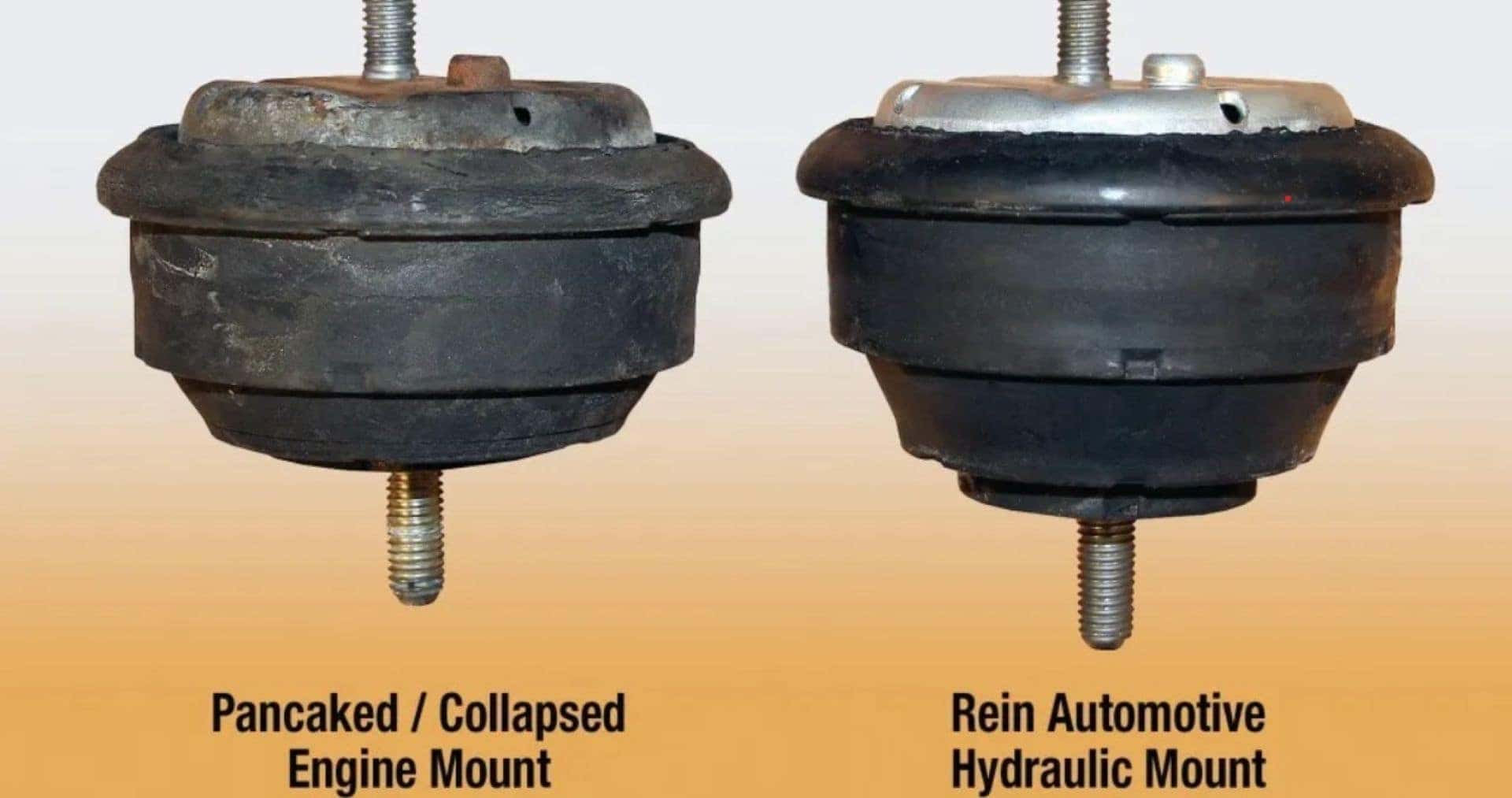
Hydraulic mounts use a hollow rubber section filled with a special hydraulic fluid. When the engine vibrates, the fluid moves inside the mount, absorbing more vibration than rubber alone can. These mounts are common in modern sedans and luxury vehicles because they provide a smoother and quieter ride.
3. Active Engine Mounts
The latest technology is the active engine mount. These use sensors, electronic controls, and sometimes even small motors or solenoids. The mount can change its stiffness in real time to block specific vibrations. For example, it can become softer at idle to stop rough shaking, and stiffer when driving fast for better control. These are often found in high-end and performance cars.
4. Polyurethane Engine Mounts
Some aftermarket mounts use polyurethane instead of rubber. Polyurethane is stiffer and more durable, so these mounts are popular for racing or off-road vehicles where extra strength is needed. However, they don’t absorb vibrations as well, so the ride can feel harsher.
5. Transmission Mounts
While not technically an engine mount, transmission mounts do a similar job for the transmission. In many cars, the engine and transmission are both held by mounts, working together to keep the drivetrain stable.
Here is a quick comparison of the main types of engine mounts:
| Type | Vibration Damping | Cost | Durability | Common Use |
|---|---|---|---|---|
| Rubber | Moderate | Low | Good | Most cars |
| Hydraulic | High | Medium | Moderate | Luxury/sedans |
| Active | Very high | High | Good | High-end/performance |
| Polyurethane | Low | Medium | Very high | Racing/off-road |
How Does An Engine Mount Work?
An engine mount works by combining strength and flexibility. The metal parts bolt securely to the engine and the frame, holding everything in place. The rubber or hydraulic section sits between these metal brackets, acting like a cushion.
As the engine runs, it shakes and vibrates. The flexible part of the mount absorbs most of this movement. If the engine moves too much, the rubber compresses and then pushes back, keeping the engine centered. If the engine tries to twist or shift, the mount resists this movement, but not so much that it snaps or cracks.
In hydraulic and active mounts, the system adapts to different driving conditions. For example, when you idle at a stoplight, the mount becomes softer to block low-frequency vibrations. When you accelerate hard, the mount stiffens for better support.
Why Are Engine Mounts Important?
Engine mounts do more than just hold the engine—they affect almost every part of the driving experience:
- Comfort: Without good mounts, every engine vibration would pass through the car, making the ride noisy and uncomfortable.
- Safety: Loose or broken mounts can let the engine move too much, which can damage hoses, wires, or even cause the engine to shift dangerously.
- Longevity: Mounts protect not just the engine, but also the transmission, exhaust, and even the frame from extra stress and wear.
- Performance: In high-performance cars, mount design affects how power is delivered to the wheels. Too much engine movement can waste energy and reduce control.
Signs Of A Failing Engine Mount
Engine mounts are built to last, but they don’t last forever. Here are some common signs that an engine mount might be failing:
1. Excessive Vibrations
If you suddenly notice more vibration in the cabin, especially at idle or low speeds, a mount could be worn out or broken. The rubber can harden, crack, or even split over time.
2. Loud Noises Or Clunks
A failing mount can allow the engine to move too much, causing it to knock or clunk against the frame when accelerating, braking, or going over bumps.
3. Visible Wear Or Damage
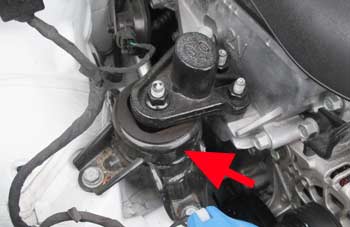
If you look under the hood and see cracked, broken, or separated rubber in the mount, it needs to be replaced.
4. Engine Movement
If the engine seems to shift or tilt more than normal when you rev it or shift gears, this can be a sign that a mount is loose or broken.
5. Fluid Leaks (hydraulic Mounts)
Hydraulic mounts can leak their internal fluid if damaged. If you notice oily spots near the mounts, this is a red flag.
What Causes Engine Mounts To Fail?
Most engine mounts will last between 60,000 and 100,000 miles, but several things can shorten their life:
- Heat: Engines get hot. Over time, this heat can break down rubber and hydraulic fluid.
- Age: Rubber dries out and cracks as it gets older.
- Engine Leaks: Oil or coolant leaks can damage rubber parts.
- Driving Habits: Aggressive driving, hard acceleration, and rough roads put extra stress on mounts.
- Accidents: Even a minor collision can damage engine mounts.
Replacing Engine Mounts: What To Expect
Changing an engine mount is a job for a professional mechanic, although some experienced DIYers can do it with the right tools. Here’s what’s involved:
- Diagnosis: The mechanic will check for excessive engine movement, inspect mounts for cracks or leaks, and sometimes use a pry bar to test stiffness.
- Support the Engine: The engine must be held up safely while the mount is removed, usually with a jack and special block.
- Remove the Old Mount: Bolts are removed, and the old mount comes out.
- Install the New Mount: The new mount is bolted in, and the engine is lowered back into place.
- Test Drive: After replacement, the mechanic checks for noise and vibration.
Replacement costs vary. For a standard car, expect to pay between $200 and $600 per mount (parts and labor). Some mounts are hard to reach and may cost more.
Credit: www.tyreplus-me.com
Real-world Examples And Data
Engine mounts are small parts, but their failure rate can impact millions of cars each year. According to industry estimates, about 5% of all vehicles over 7 years old have at least one worn or failing mount. In the US alone, that’s millions of cars needing mount replacement annually.
Luxury vehicles with hydraulic or active mounts tend to have higher repair rates, simply because these systems are more complex. For example, a survey showed that hydraulic mounts in premium sedans fail about 1.5 times more often than standard rubber mounts in economy cars.
Some car models are known for specific mount problems. For example, older Honda Accord and Toyota Camry models often need new mounts after 80,000 miles, while some performance cars need upgrades to stiffer mounts to handle extra engine power.
Comparing Engine Mount Materials
Different materials offer different benefits. Here’s a simple comparison:
| Material | Strength | Vibration Absorption | Noise Reduction | Common Issues |
|---|---|---|---|---|
| Natural Rubber | Moderate | Good | Good | Ages, cracks |
| Polyurethane | High | Low | Poor | Harsher ride |
| Hydraulic Fluid | Moderate | Very good | Very good | Leaks, cost |
How To Extend The Life Of Engine Mounts
Most drivers never think about their engine mounts, but a few simple habits can help them last longer:
- Avoid Hard Acceleration: Sudden starts and stops put extra stress on mounts.
- Fix Leaks Quickly: Oil or coolant leaks can soften or destroy the rubber in mounts.
- Drive Smoothly: Avoid hitting potholes or rough roads at high speed.
- Regular Inspections: Have a mechanic check mounts during routine service, especially as the car gets older.
- Don’t Ignore Vibrations: If you notice new vibrations or noises, have them checked before they get worse.
A non-obvious tip: Even if only one mount is bad, consider replacing all of them at the same time, especially if your car is older. This can save on labor costs and ensure balanced support.
Upgrading Engine Mounts: Should You Do It?
Some car owners upgrade their engine mounts for better performance or durability. If you drive a high-horsepower car, tow heavy loads, or use your vehicle off-road, stronger mounts can help. Polyurethane or performance mounts reduce engine movement, improving throttle response and shifting.
However, stiffer mounts also mean more vibration and noise in the cabin. This is fine for race cars, but not ideal for daily driving. Always weigh comfort against performance before upgrading.
Another non-obvious insight: Upgrading mounts can sometimes cause new problems. For example, stiffer mounts may put more stress on other parts, like the transmission or exhaust system. It’s best to consult an expert before making changes.
Engine Mounts In Electric And Hybrid Vehicles
With the rise of electric vehicles (EVs) and hybrids, engine mount design is changing. Electric motors create less vibration than gasoline engines, so mounts can be smaller or made with softer materials. However, some EVs use mounts that block high-frequency noise from the motor and power electronics.
Hybrid vehicles, which combine gas engines and electric motors, use special mounts to manage both types of vibration. In some models, active mounts help switch between electric and gas operation smoothly.
Common Myths About Engine Mounts
“engine Mounts Never Need Replacing.”
This is false. Like any rubber part, mounts wear out over time and need replacement.
“if One Mount Fails, The Others Will Be Fine.”
Not always true. If one mount is worn, others may be under more stress and could fail soon after.
“upgrading To Stiffer Mounts Always Improves Performance.”
Stiffer mounts do reduce engine movement, but they also increase vibration and noise. The best choice depends on your driving needs.
“engine Mount Replacement Is Easy For Any Diyer.”
Some mounts are accessible, but many require special tools or lifting the engine. Incorrect installation can cause serious damage.
How Engine Mounts Differ By Vehicle Type
Engine mounts aren’t one-size-fits-all. Here’s how they differ:
- Passenger Cars: Use softer rubber or hydraulic mounts for comfort.
- Trucks/SUVs: Use stronger mounts to handle heavier engines and towing.
- Sports Cars: Use stiffer mounts for better performance, even if ride comfort drops.
- Motorcycles: Use small, lightweight mounts to manage high RPM vibrations.
- Electric Vehicles: Use mounts designed for quieter, smoother motors, sometimes with extra noise insulation.
Some commercial vehicles, like buses and delivery trucks, use very large mounts or even air-filled designs to handle big engines and heavy loads.
Environmental Impact Of Engine Mounts
Most engine mounts are made from rubber and steel, and both materials have environmental impacts. When mounts wear out, the rubber usually cannot be recycled easily. Some companies are developing eco-friendly mounts with recycled materials or designs that last longer, reducing waste.
Disposing of old hydraulic mounts is also a concern, since the fluid inside can be harmful if not handled properly. Always make sure old mounts are disposed of by a professional.
Future Trends In Engine Mount Technology
As vehicles become more advanced, so do engine mounts. Some trends include:
- Smart mounts: New mounts use sensors and electronic controls to adapt instantly to driving conditions.
- Lightweight materials: Aluminum and advanced plastics are replacing steel to reduce vehicle weight and improve fuel efficiency.
- Longer lifespans: New rubber blends and designs aim to last the life of the vehicle.
- Recyclable materials: More companies are looking for ways to make mounts easier to recycle or reuse.
Manufacturers are also using computer modeling to design mounts that block specific vibration frequencies, making cars quieter and smoother.
Engine Mount Maintenance Checklist
Keeping your engine mounts in good shape isn’t hard, but a quick check every year or two can prevent big problems:
- Listen for new noises or vibrations.
- Check for cracks, splits, or leaks around the mounts.
- Have a mechanic inspect mounts during routine service, especially after 60,000 miles.
- Repair oil or coolant leaks quickly.
- Avoid rough driving and hard stops when possible.
Engine Mounts Vs. Other Vehicle Mounts
Vehicles use several types of mounts, each with a specific job:
| Mount Type | Main Function | Location |
|---|---|---|
| Engine Mount | Support and isolate engine | Between engine and frame |
| Transmission Mount | Support and isolate transmission | Between transmission and frame |
| Suspension Mount | Absorb road shocks | Between suspension parts and frame |
| Exhaust Mount | Hold and isolate exhaust system | Along exhaust pipe and muffler |
While they all absorb vibrations, engine mounts are specially designed to handle the unique forces created by the engine’s weight and movement.
When To Consult A Professional
If you notice any of the following, it’s time to see a mechanic:
- Sudden increase in engine vibration or noise
- Engine knocking or moving when you accelerate
- Visible damage to mounts
- Fluid leaks under the engine (for hydraulic mounts)
A trained mechanic can diagnose mount problems quickly and recommend the best fix. Don’t wait—driving with bad mounts can cause expensive damage.
Credit: www.aldermanauto.com
Frequently Asked Questions
What Happens If An Engine Mount Fails Completely?
If an engine mount fails, the engine can move too much during driving. This can cause loud noises, strong vibrations, or even damage other car parts like hoses, wires, or the exhaust. In rare cases, a broken mount can let the engine shift far enough to affect steering or braking, which is dangerous.
Can I Drive With A Bad Engine Mount?
While you can sometimes drive for a short time with a worn mount, it’s not safe to ignore the problem. A bad mount can get worse quickly and lead to more expensive repairs. Too much engine movement can also damage other vehicle systems.
How Do I Know If My Engine Mount Is Bad?
Common signs include extra vibration in the cabin, clunking noises from the engine area, or the engine shifting when you accelerate or brake. If you notice these symptoms, have a mechanic check the mounts right away.
Credit: www.samarins.com
How Long Does It Take To Replace An Engine Mount?
For most cars, a mechanic can replace a single engine mount in 1 to 2 hours. Some mounts are harder to reach and may take longer, especially if other parts need to be removed first.
Are There Engine Mounts That Never Wear Out?
All engine mounts wear out eventually. Newer materials and designs can last longer, but no mount will last forever. Regular checks and good driving habits help them last as long as possible.
Engine mounts may seem like simple parts, but their role is vital for every vehicle. They keep the engine secure, smooth out the ride, and protect other components from damage. Whether you drive a small sedan or a heavy-duty truck, understanding engine mounts can help you keep your vehicle running safely and comfortably for years to come. For more technical details and further reading, you can visit the Wikipedia page on engine mounts.