
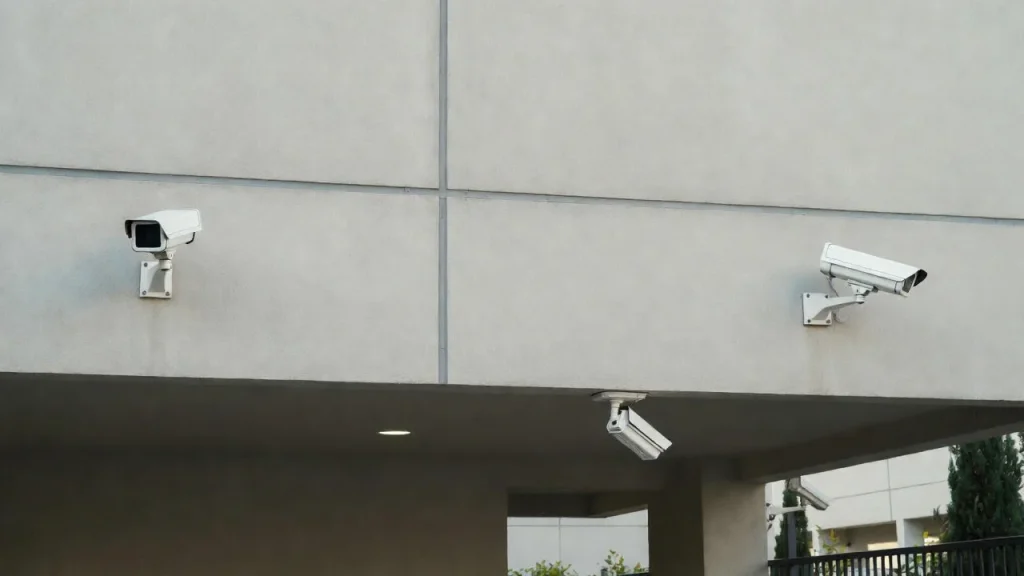
Are you looking for a way to protect your home or business without constant worry? CCTV security cameras might be exactly what you need.
These devices can keep an eye on your property 24/7, giving you peace of mind even when you’re away. But what exactly are CCTV security cameras, and how can they work for you? Keep reading to discover how these powerful tools can boost your safety and help you stay in control.
Basics Of Cctv Security Cameras
CCTV security cameras help keep homes and businesses safe. They watch over areas and record what happens. This makes it easier to find out about theft or other problems. Many people use CCTV to protect their property and feel more secure.
These cameras are easy to install and use. They come in different types and styles. Understanding how they work and their parts helps in choosing the right one.
How Cctv Cameras Work
CCTV cameras capture video of a specific area. They use lenses to focus light and create images. The camera sends these images to a monitor or recorder. Some cameras also work with the internet for remote viewing. This lets users watch live or recorded footage from anywhere.
Types Of Cctv Cameras
There are several types of CCTV cameras. Dome cameras have a round shape and are often used indoors. Bullet cameras are long and good for outdoor use. PTZ cameras can pan, tilt, and zoom to cover large areas. Each type fits different needs and locations.
Key Components
A CCTV system has several key parts. The camera records the video. A lens helps focus the image. A digital video recorder (DVR) or network video recorder (NVR) saves the footage. Power supplies keep the system running. Monitors display the live or recorded video.
Benefits Of Cctv Surveillance
CCTV surveillance offers many benefits for homes and businesses. It helps keep people and property safe. These systems provide clear advantages that improve security and peace of mind.
Crime Deterrence
Visible CCTV cameras can stop crimes before they start. Thieves and vandals avoid places with cameras. The fear of being caught on video lowers crime rates. This makes neighborhoods and workplaces safer for everyone.
Evidence Collection
CCTV footage provides important proof after incidents. It helps identify criminals and understand what happened. Police and courts use this evidence to solve cases. Clear video recordings improve the chance of justice.
Remote Monitoring
Cameras allow remote viewing of your property anytime. You can check live video from a phone or computer. This helps watch over your space while away. Remote access adds convenience and control to security.
Choosing The Right Cctv System
Choosing the right CCTV system is important for good security. Different places need different types of cameras. Picking the best system helps keep your property safe. It also makes sure you get clear video and easy installation. Consider your needs before buying a CCTV system.
Think about where you want to install cameras. Also, decide if you want wired or wireless systems. The picture quality matters too. These points help find the best system for your home or business.
Indoor Vs Outdoor Cameras
Indoor cameras are smaller and less tough. They work well inside homes and offices. Outdoor cameras are built to handle weather like rain and wind. They often have night vision for dark places. Choose cameras based on where you need them.
Wired Vs Wireless Systems
Wired systems need cables for power and video. They give stable and clear video. Installation takes more time and effort. Wireless systems use Wi-Fi or radio signals. They are easy to install and move. But wireless can lose signal sometimes.
Resolution And Image Quality
Resolution shows how clear the video is. Higher resolution means sharper images. It helps identify faces and details. Choose cameras with at least 1080p resolution. Good image quality is key for good security footage.
Installation Tips
Installing CCTV security cameras correctly is key for good surveillance. Proper setup ensures clear views and reliable operation. Follow these tips for better camera performance and safety.
Best Camera Placement
Place cameras where they cover main entrances and exits. High corners give wide views and avoid tampering. Avoid pointing cameras at bright lights or windows.
Focus on areas with high activity like driveways or hallways. Keep cameras out of reach but visible enough to deter intruders. Consider lighting conditions during day and night.
Power And Connectivity Options
Choose power sources close to camera locations. Wired cameras need cables for power and data. Wireless cameras rely on batteries or nearby outlets.
Check Wi-Fi signal strength if using wireless models. Use power adapters that match camera voltage requirements. Secure cables to prevent damage or disconnection.
Maintenance Practices
Clean lenses regularly to keep images clear. Inspect wiring and connections for wear or damage. Test cameras often to confirm they work well.
Update software and firmware when available. Remove any dirt, spider webs, or debris from cameras. Proper care prolongs camera life and improves security.
Integrating Cctv With Other Security Measures
Integrating CCTV security cameras with other security systems strengthens overall protection. Combining multiple tools helps detect threats faster and respond better. It creates a safer environment for homes and businesses. Below are key ways CCTV works with other security measures.
Alarm Systems
Alarm systems trigger alerts during break-ins or emergencies. Connecting CCTV cameras with alarms allows instant video review. Security teams see what is happening right after an alarm sounds. This helps avoid false alarms and speeds up police response.
Access Control
Access control limits who enters a building or room. Linking CCTV with access control shows who uses keys or codes. Cameras record entry points, helping confirm identities. This stops unauthorized access and improves security checks.
Smart Home Integration
Smart home devices connect with CCTV for remote monitoring. Users watch live video on phones or tablets. They can control cameras, lights, and alarms from one app. This makes managing home security easier and more flexible.
Legal And Privacy Considerations
CCTV security cameras provide safety and monitor activities. Using them involves legal and privacy issues. Understanding these rules helps avoid problems and protects rights.
Laws On Surveillance
Many places have strict laws about using CCTV cameras. These laws control where and how cameras can record. Public areas usually allow cameras, but private spaces need permission. Breaking these laws can lead to fines or legal trouble.
Respecting Privacy Rights
People have the right to privacy, even with cameras around. Avoid placing cameras in private spots like bathrooms or bedrooms. Inform people if an area is under surveillance. Respecting privacy builds trust and avoids complaints.
Data Storage And Security
Recorded footage must be stored safely. Use strong passwords and secure devices to protect data. Keep recordings only as long as needed. Proper data handling prevents leaks and misuse of personal information.
Future Trends In Cctv Technology
The future of CCTV technology promises smarter and more efficient security solutions. Advances in technology are making cameras more capable and easier to use. These changes help businesses and homes stay safer with less effort. The latest trends focus on improving video quality, data storage, and intelligent monitoring.
Ai And Video Analytics
Artificial intelligence (AI) improves how CCTV cameras analyze video. Cameras can now detect unusual activities automatically. They recognize faces, objects, and even behavior patterns. This helps reduce false alarms and speeds up response times. AI makes security systems more accurate and reliable.
Cloud-based Systems
Cloud storage allows CCTV footage to be saved online. This means videos are safe even if cameras get damaged. Users can access footage anytime, from anywhere. Cloud systems also support easy sharing and quick backups. This trend makes managing security data simpler and more flexible.
Advanced Motion Detection
New motion detection technology is more sensitive and precise. Cameras can distinguish between people, animals, and objects. This reduces unnecessary alerts and focuses on real threats. Advanced sensors improve night vision and work well in different weather. Motion detection now offers better protection around the clock.
Frequently Asked Questions
What Is A Cctv Security Camera?
A CCTV security camera is a video surveillance device. It monitors and records activities in specific areas. These cameras help deter crime and enhance safety in homes and businesses.
How Do Cctv Cameras Improve Security?
CCTV cameras provide real-time monitoring and evidence collection. They deter criminals by increasing the risk of being caught. Businesses and homeowners use them to protect property and ensure safety.
What Types Of Cctv Cameras Are Available?
Common types include dome, bullet, and PTZ cameras. Each type suits different surveillance needs. Dome cameras are discreet, bullet cameras offer long range, and PTZ cameras can pan and zoom.
Can Cctv Cameras Record At Night?
Yes, many CCTV cameras have infrared or night vision. This allows recording in low or no light conditions. Night vision ensures continuous surveillance and security 24/7.
Conclusion
CCTV security cameras help keep homes and businesses safe. They watch places all day and night. People feel more secure with cameras around. Cameras also help catch thieves or vandals quickly. Installing them is easier than many think. They come in many styles to fit different needs.
Choosing the right camera protects your property better. Remember, safety starts with good tools and smart choices. CCTV cameras offer peace of mind and extra protection. Simple, effective, and reliable. That’s why many trust CCTV security cameras.