
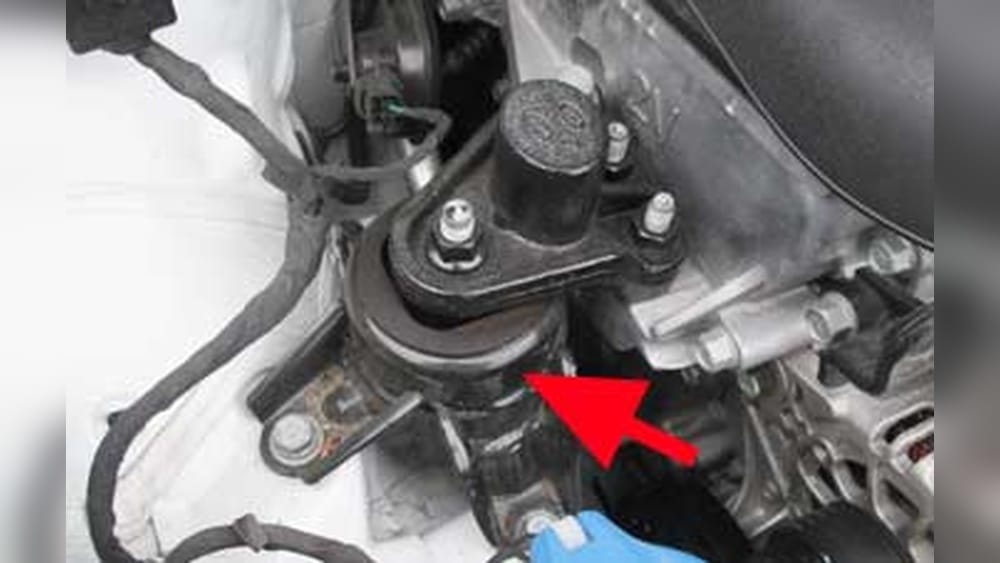
Every car driver knows the feeling when their vehicle runs smoothly, with minimal noise and vibration. But few realize the critical role of a small, often hidden component: the engine mount. This part is essential in keeping your engine secured, reducing vibrations, and ensuring your car’s performance and comfort. Whether you’re a mechanic, car enthusiast, or simply a curious driver, understanding engine mounts will help you appreciate their importance and recognize symptoms of failure before bigger problems arise.
The Role Of An Engine Mount
The engine mount is a vital part connecting the engine to the car’s chassis. It’s designed to secure the engine in place and absorb vibrations and shocks created during operation. Without an engine mount, the engine would shake violently, making driving uncomfortable and even dangerous.
In most vehicles, there are usually three or four engine mounts. Each mount is placed at strategic points between the engine and the frame. Their main purposes are:
- Hold the engine firmly, preventing movement.
- Absorb and minimize engine vibrations and noise.
- Help protect other car parts from engine movement.
The engine mount acts like a buffer. It prevents metal-to-metal contact between the engine and car body, which would cause noise, vibrations, and possible damage.
Types Of Engine Mounts
There isn’t just one kind of engine mount. Manufacturers use different types based on the vehicle’s needs. Let’s look at the most common types and how they differ.
| Type | Main Material | Best Use | Advantages | Disadvantages |
|---|---|---|---|---|
| Rubber Mount | Rubber & Steel | Passenger Cars | Good vibration absorption | Can deteriorate with heat, oil |
| Hydraulic Mount | Rubber & Fluid | Luxury Vehicles | Superior comfort | More expensive, can leak |
| Polyurethane Mount | Polyurethane | Performance Cars | Lasts longer | Less vibration absorption |
| Solid Mount | Metal | Race Cars | Maximum strength | No vibration absorption |
Rubber Mounts
Rubber mounts are the most common. They use rubber bonded with metal brackets to absorb vibrations. They’re affordable and found in most passenger cars. However, rubber can crack or harden over time, especially with exposure to oil and heat.
Hydraulic Mounts
Hydraulic mounts have a chamber filled with fluid, usually oil. The fluid absorbs vibrations more effectively than rubber alone. These mounts are found in luxury vehicles, where comfort is a priority. Hydraulic mounts cost more and can leak if damaged.
Polyurethane Mounts
Polyurethane mounts are used in performance and modified cars. They are tougher than rubber and resist oil and heat. However, they absorb less vibration, making the ride harsher.
Solid Mounts
Solid or metal mounts are used in racing or heavy-duty vehicles. They provide maximum strength but zero vibration absorption. This means drivers feel every engine movement. These mounts are not suitable for daily driving.
How Engine Mounts Work
Engine mounts serve as a bridge between the engine and the car’s frame. Their design must balance strength (to hold the engine) and flexibility (to absorb movement). Most mounts consist of:
- A metal bracket attached to the frame
- A rubber or fluid-filled cushion
- Bolts or studs to secure the mount
When the engine runs, it creates vibrations and torque. The mount absorbs these movements, preventing them from reaching the car’s cabin. At the same time, it allows some movement so the engine can flex under load or bumps.
A good example is when you accelerate quickly. The engine moves slightly, but the mount keeps it stable and prevents excess shaking. If the mount fails, you’ll notice strong vibrations, noises, and even shifting of the engine.
Signs Of A Faulty Engine Mount
Engine mounts, like all car parts, wear out over time. Knowing the symptoms of a bad mount can save you from costly repairs. Here are the main signs:
- Excessive vibration: If you feel strong vibrations, especially when idling or starting, it could mean a mount is damaged.
- Clunking or banging noises: A broken mount allows the engine to move, causing metal-to-metal contact and loud noises.
- Engine movement: Open the hood and rev the engine. If the engine rocks or moves visibly, a mount may be broken.
- Misalignment: Sometimes, a failed mount affects the alignment of the exhaust or other parts connected to the engine.
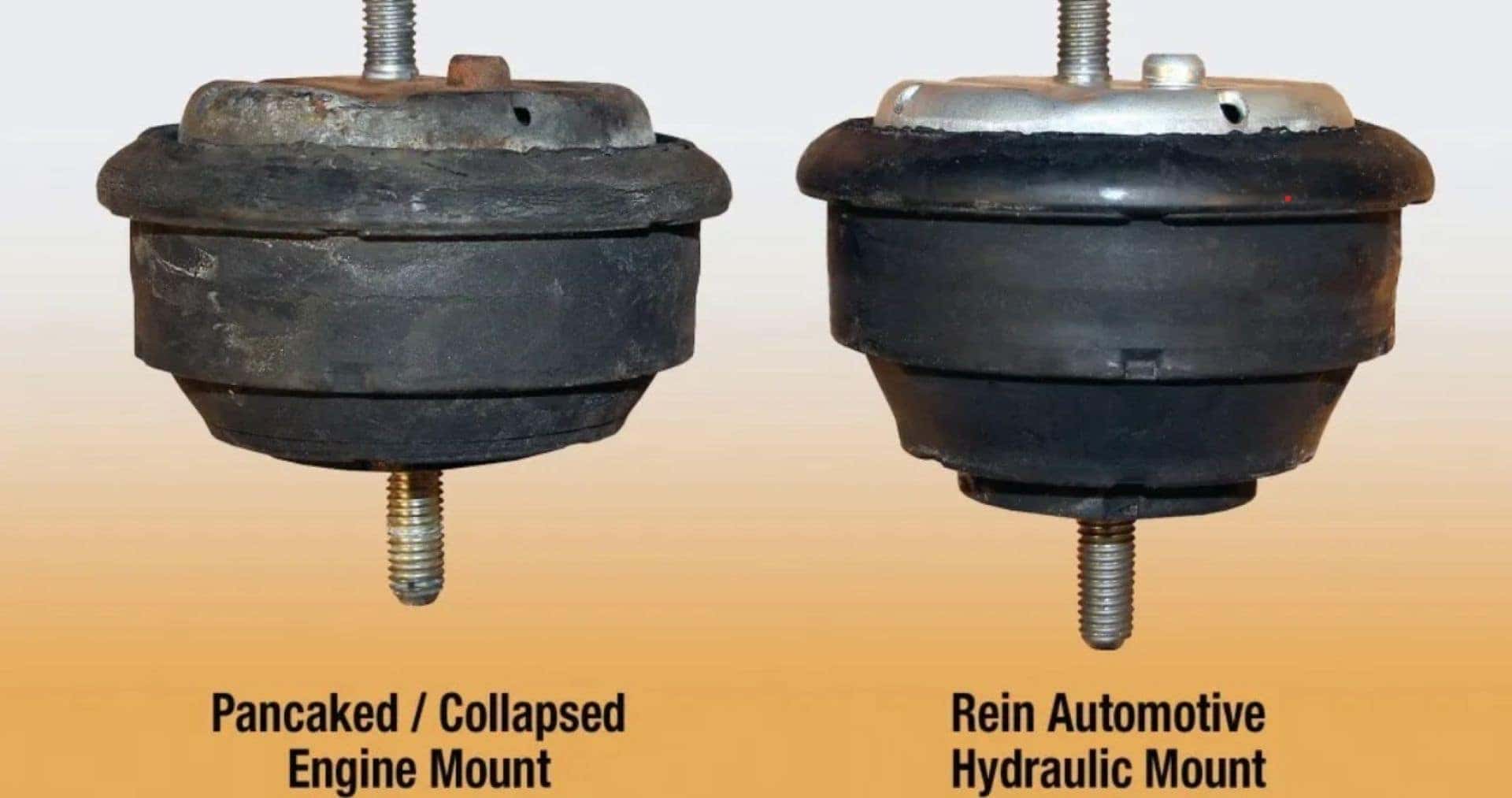
- Visible wear: Cracks, tears, or oil leaks on the mount are clear signs of damage.
Ignoring these symptoms can lead to bigger problems. A loose engine can damage hoses, wiring, or even the chassis itself.
Why Engine Mounts Matter
You might wonder why such a small part is so important. Engine mounts have a big impact on:
- Comfort: They reduce vibrations and noise, making driving smooth.
- Safety: They keep the engine firmly in place, preventing sudden movement that can damage other parts.
- Durability: Good mounts protect the transmission, exhaust, and wiring from engine movement.
- Performance: A secure engine improves handling and responsiveness.
In high-performance or race cars, choosing the right mount affects how power is transferred to the wheels. In luxury cars, mounts are designed for maximum comfort.
Engine Mount Placement And Design
Manufacturers carefully choose where to place engine mounts. Most vehicles have three or four mounts:
- Front mount: Supports the engine’s front.
- Rear mount: Supports the back.
- Side mounts: Stabilize the engine from the sides.
Some vehicles use a transmission mount as well, especially in front-wheel-drive cars.
The design must consider weight distribution, engine torque, and vibration patterns. Mounts are placed where they can best absorb forces without causing imbalance.
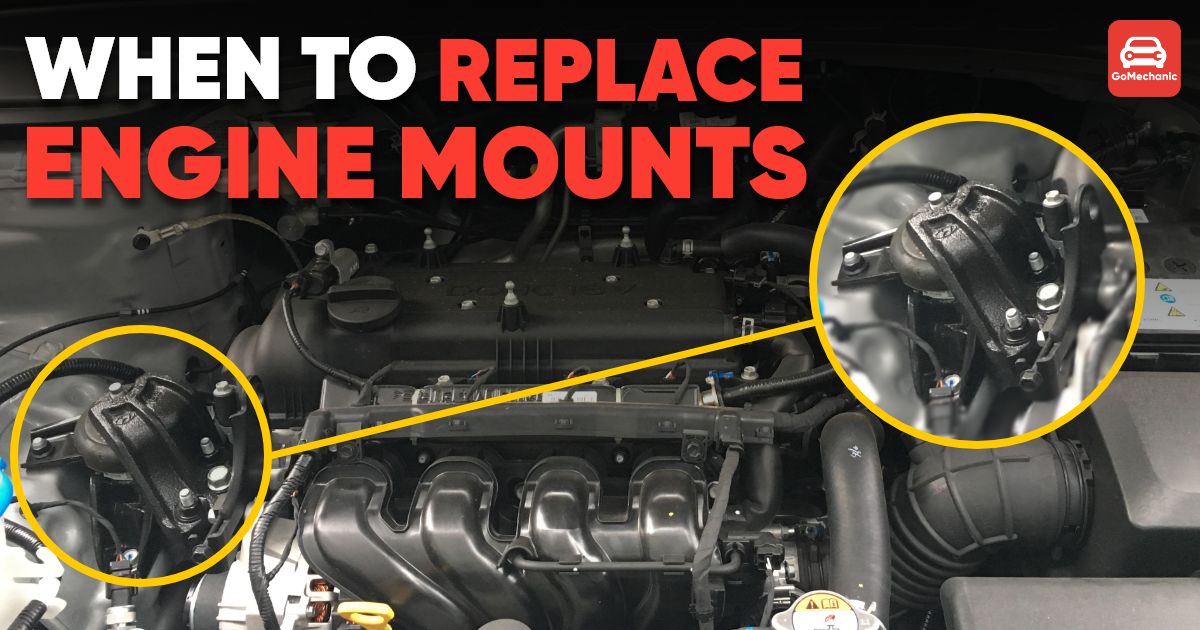
Example: Engine Mount Layout In A Sedan
A typical sedan uses four mounts:
- One front mount
- One rear mount
- Two side mounts
This setup balances the engine’s weight and keeps it stable during acceleration, braking, and turning.
Credit: gomechanic.in
Engine Mounts In Different Vehicles
Not all vehicles use the same mounts. Let’s compare how mounts are used in various types.
| Vehicle Type | Mount Type Used | Number of Mounts | Purpose |
|---|---|---|---|
| Passenger Car | Rubber, Hydraulic | 3–4 | Comfort, noise reduction |
| Sports Car | Polyurethane, Solid | 2–4 | Performance, strength |
| Truck | Heavy-duty Rubber | 4–6 | Support heavy engine |
| Motorcycle | Rubber | 1–2 | Vibration absorption |
Engine Mount Materials And Lifespan
Engine mounts must be tough and flexible. The materials used determine their durability and performance.
- Rubber: Cheap, flexible, absorbs vibration well. Lasts 5–7 years, but sensitive to oil and heat.
- Polyurethane: Stronger, resists chemicals and heat. Lasts 7–10 years, but less comfortable.
- Metal: Maximum strength, used in racing. Can last the lifetime of the car but no vibration absorption.
- Hydraulic (fluid-filled): Offers best comfort but can leak. Usually lasts 6–8 years.
Mounts wear faster in harsh conditions (hot climates, lots of stop-and-go driving). Regular inspection is key.
Two Insights Beginners Miss
- Engine mounts affect wheel alignment: A failed mount can shift the engine, affecting suspension and wheel alignment. This can lead to uneven tire wear.
- Mounts impact transmission health: In cars where engine and transmission are closely connected, a bad engine mount can stress the transmission mount, causing shifting issues.
Replacing An Engine Mount
Changing an engine mount is not always simple. It requires tools, knowledge, and safety precautions. Here’s a basic outline:
- Identify the bad mount: Use symptoms and visual checks.
- Support the engine: Use a jack or engine hoist to hold the engine in place.
- Remove bolts: Detach the mount from the engine and chassis.
- Replace with new mount: Install and tighten bolts.
- Check alignment: Make sure the engine sits correctly.
Most mechanics recommend replacing mounts in pairs (left/right) if one is worn. It’s also wise to use original equipment (OE) parts for best fit and performance.
Common Mistakes
- Using the wrong mount: Not all mounts fit every car. Always match part numbers.
- Skipping alignment: After replacement, check engine and exhaust alignment.
- Ignoring other mounts: If one fails, others may be close to failure.
- Not supporting the engine: Removing mounts without support can cause engine damage.
Cost Of Engine Mount Replacement
Prices vary depending on the car type and mount quality. Here’s a general breakdown:
- Rubber mount: $25–$60 per mount
- Hydraulic mount: $80–$200 per mount
- Polyurethane mount: $60–$120 per mount
- Labor cost: $100–$350 (per mount)
Luxury or imported cars tend to have higher costs. If multiple mounts are replaced, labor charges increase. Always ask for a quote before starting work.
Engine Mounts And Vehicle Performance
Engine mounts do more than hold the engine. They influence how power is delivered and how the car feels to drive.
- Soft mounts (rubber, hydraulic): Improve comfort, reduce vibration, but allow more engine movement.
- Stiff mounts (polyurethane, solid): Improve throttle response and handling, but transfer more vibration to the cabin.
Many performance car owners upgrade to stiffer mounts for better power delivery. However, this can make daily driving less comfortable.
Example: Performance Upgrade
A sports car owner swaps rubber mounts for polyurethane. The result:
- Improved acceleration (less engine movement)
- Sharper handling
- Increased cabin vibration and noise
This trade-off is common in performance tuning.
Engine Mount Failure: Risks And Consequences
Ignoring a damaged engine mount can lead to serious problems:
- Engine misalignment: Can stress hoses, wiring, and exhaust.
- Transmission damage: May cause shifting issues.
- Increased vibration: Leads to discomfort and possible damage to other parts.
- Safety risk: In rare cases, the engine can move enough to cause steering or brake problems.
One non-obvious risk: A failed mount can trigger warning lights or error codes as sensors detect abnormal engine movement.
Credit: www.aldermanauto.com
Engine Mounts And Modern Technology
Modern cars use advanced engine mounts for better comfort and safety. Some luxury cars have active mounts—these use electronic controls to adjust stiffness based on driving conditions.
Active Engine Mounts
- Use sensors to detect vibration.
- Adjust mount stiffness automatically.
- Improve ride comfort and reduce engine movement.
This technology is found in high-end vehicles and is becoming more common as cars get smarter.
Example: Mercedes-benz Active Mounts
Mercedes-Benz uses active mounts in some models. The mounts adapt to driving style, making the ride smoother and quieter. This helps reduce driver fatigue and improve overall vehicle quality.
Engine Mount Maintenance Tips
Engine mounts don’t need frequent attention, but regular checks can prevent problems.
- Inspect mounts every 30,000 miles or during major services.
- Look for cracks, leaks, or wear.
- Listen for unusual noises or vibrations.
- Replace mounts before they fail completely.
Beginners often miss the importance of checking mounts after accidents or heavy impacts. Even minor collisions can damage mounts.
Engine Mounts Vs. Transmission Mounts
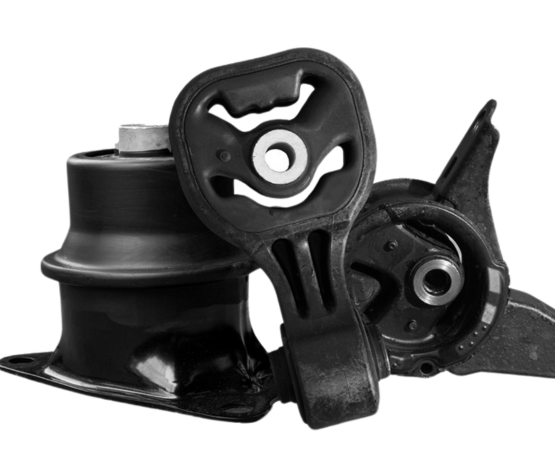
People often confuse engine mounts with transmission mounts. Both support heavy parts and absorb vibrations, but their roles differ.
| Mount Type | Location | Main Function | Typical Material |
|---|---|---|---|
| Engine Mount | Between engine and chassis | Support engine, absorb vibration | Rubber, hydraulic, polyurethane |
| Transmission Mount | Between transmission and chassis | Support transmission, absorb vibration | Rubber, hydraulic |
If either mount fails, it can affect the other. It’s wise to check both during inspection or replacement.
Engine Mounts In Electric Vehicles
Electric cars (EVs) have different needs. Their motors vibrate less, so mounts focus more on supporting weight than absorbing vibration.
- EV mounts are often lighter and simpler.
- They still prevent motor movement and protect wiring.
- Some EVs use mounts to minimize road noise.
This is a growing area as more people switch to electric vehicles.
Credit: www.tyreplus-me.com
Environmental Impact Of Engine Mounts
Engine mount production uses rubber, metal, and sometimes fluid. Manufacturers are now seeking eco-friendly materials and better recycling.
- Recycled rubber and plastic are used in some mounts.
- Old mounts are often collected and processed for reuse.
- Fluid-filled mounts are handled carefully to avoid leaks.
This helps reduce waste and pollution.
Engine Mounts: Future Trends
The future of engine mounts is tied to vehicle technology. As cars become more advanced, mounts will:
- Use smart sensors to detect wear and adjust stiffness.
- Be made from lighter, stronger materials for efficiency.
- Include self-diagnosing features to alert drivers before failure.
Manufacturers are also designing mounts that last longer and require less maintenance. This helps reduce costs and improve reliability.
For more technical details about engine mounts and their development, visit Wikipedia.
Frequently Asked Questions
What Is The Main Function Of An Engine Mount?
The main function is to secure the engine to the vehicle’s chassis and absorb vibrations. This keeps the engine stable and reduces noise and movement inside the car.
How Often Should Engine Mounts Be Replaced?
Engine mounts usually last 5–8 years, but it depends on driving conditions and material. Check mounts every 30,000 miles or if you notice symptoms like vibration or noise.
Can I Drive With A Broken Engine Mount?
It’s not recommended. A broken mount can cause engine movement, lead to damage in other parts, and create safety risks. Replace it as soon as possible.
Are Engine Mounts Expensive To Replace?
Costs vary, but typical prices range from $25–$200 per mount plus labor. Luxury or imported cars may cost more. Always ask for a quote before repair.
Do Electric Vehicles Use Engine Mounts?
Yes, but EV mounts focus more on supporting the motor and protecting wiring. They absorb less vibration since electric motors run smoother than gasoline engines.
Engine mounts are small, but their impact is big. From comfort to safety, they play a key role in your vehicle’s performance. Knowing how they work, recognizing symptoms of failure, and understanding replacement can save you time, money, and stress.
Next time your car feels smooth, remember the humble engine mount working quietly behind the scenes.