

Mount Katahdin stands tall in northern Maine, its summit often hidden by clouds and mist. For centuries, it has been a place of wonder, mystery, and cultural importance. But who named this mountain, and what does its name mean? Understanding the origins of Mount Katahdin’s name opens a window to the traditions, languages, and beliefs of the people who first lived there.
Many visitors see Katahdin as simply a beautiful peak—Maine’s highest. But to the native tribes of Maine, the mountain is much more than a scenic landmark. It is a spiritual place, woven deeply into stories, ceremonies, and daily life. The name “Katahdin” itself carries meaning, reflecting the relationship between the land and the people who named it.
This article explores the tribe that gave Mount Katahdin its name, the meaning behind the word, and how the mountain fits into the tribe’s culture. We’ll look at historical sources, language origins, and the mountain’s place in local and national history.
Whether you’re a hiker, historian, or simply curious, you’ll discover new insights about this iconic peak and the people who shaped its story.
The Abenaki And The Naming Of Mount Katahdin
Mount Katahdin’s name comes from the Abenaki people. The Abenaki are a group of Native American tribes who lived throughout the northeast of the United States and eastern Canada. In Maine, their presence stretches back thousands of years.
Who Are The Abenaki?
The Abenaki are part of the larger Algonquian-speaking peoples. Their territory includes parts of Maine, New Hampshire, Vermont, and Quebec. The name “Abenaki” means “people of the dawn” or “easterners,” reflecting their homeland.
For centuries, the Abenaki lived along rivers, lakes, and forests. They hunted, fished, and gathered plants. Their villages were built near water, often moving with the seasons. They used birch bark canoes, and their homes—called wigwams—were made from wood and bark.
The Penobscot Tribe: The Keepers Of Katahdin
Within the Abenaki group, the Penobscot tribe is most closely linked to Mount Katahdin. The Penobscot lived along the Penobscot River, which flows south from the mountain’s slopes.
The Penobscot call themselves Penawapskewi. Their language is a branch of the Eastern Algonquian family. Katahdin is a central feature in their culture, appearing in stories and ceremonies.
Why Did The Penobscot Name The Mountain?
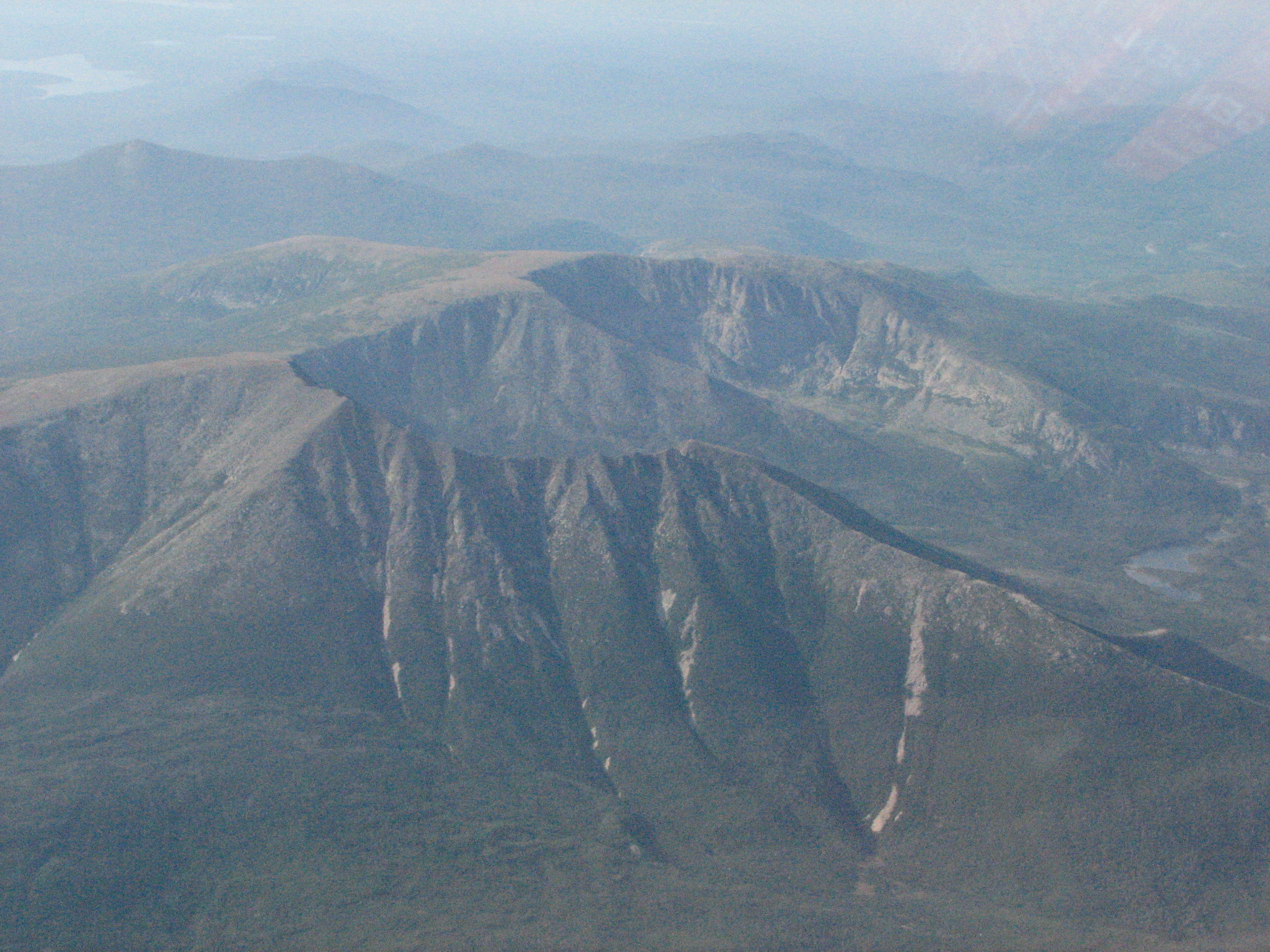
To the Penobscot, Katahdin is not just a mountain. It is a sacred place. They believe spirits live on its summit, and it is where the creator rests. The Penobscot used the mountain as a reference point for travel, hunting, and gathering. Its size and isolation made it unique.
The name “Katahdin” is believed to come from their language, meaning “Greatest Mountain” or “The Great Mountain.” Early explorers and settlers recorded the name as they heard it from local tribes.
The Meaning And Origin Of “katahdin”
The word “Katahdin” has roots in the Penobscot language. Scholars believe it translates to “the greatest mountain” or “the main mountain.” The mountain’s size, shape, and presence made it stand out.
Linguistic Roots
The Penobscot word “Kette-Aden” or “Katahdin” combines two parts:
- “Kette”: Meaning “great” or “big”
- “Aden”: Meaning “mountain” or “hill”
Together, Kette-Aden refers to the mountain’s importance. In Penobscot stories, Katahdin is the highest point, a place where humans and spirits meet.
Early European Records
When European explorers arrived in the 1600s and 1700s, they learned the name from the Penobscot. Early maps and journals often spelled it differently:
- “Katahdin”
- “Kette-Aden”
- “Katahdine”
- “Katahdin Hill”
Despite these variations, the meaning remained consistent. The mountain was always seen as the “greatest” or “main” peak.
Place Names And Pronunciation
The Penobscot language is oral. Early settlers often changed or mispronounced native words. Today, “Katahdin” is the accepted spelling, but the original pronunciation may have been closer to “Katahdin” or “Kette-Aden.” The word’s meaning is clear: it marks the mountain as special and central.
Credit: en.wikipedia.org
Katahdin In Penobscot Culture And Beliefs
For the Penobscot, Katahdin is more than a landmark—it is a spiritual symbol. Stories, ceremonies, and daily life all include the mountain.
Creation Stories And Legends
Many Penobscot legends feature Katahdin. One story tells of Pamola, a spirit who lives on the summit. Pamola is a powerful being, part bird, part moose, and part human. He guards the mountain and controls weather.
According to legend, Pamola punishes anyone who climbs too high. The Penobscot believed that disturbing Pamola could bring storms or bad luck. These stories taught respect for nature and the mountain’s power.
Ceremonial Importance
Katahdin is a site for ceremonies and rituals. The Penobscot hold events near the mountain to honor spirits and ancestors. These ceremonies often include singing, drumming, and offerings.
The mountain’s presence is felt in daily life. It marks the seasons, guides travelers, and provides inspiration. Even today, the Penobscot return to Katahdin for special occasions.
Modern Connections
Many Penobscot people still live near the mountain, on Indian Island in the Penobscot River. They continue to teach their children about Katahdin, passing down stories and traditions.
The mountain is a symbol of resilience and identity. For the Penobscot, it stands as a reminder of their history and connection to the land.
The Role Of Katahdin In Maine’s History
Mount Katahdin is not just important to the Penobscot. It has shaped Maine’s history, economy, and culture.
Early Exploration And Settlement
When European settlers arrived in Maine, they noticed Katahdin’s size. The mountain was a landmark for explorers and traders. They used it to navigate rivers and forests.
Logging, trapping, and trading centered around the mountain. Its forests provided timber, and its rivers were routes for trade.
Conservation And Recreation
In the late 1800s and early 1900s, people began to see Katahdin as a place for hiking, camping, and recreation. The mountain became a symbol of Maine’s wild beauty.
In 1930, Percival Baxter donated land to create Baxter State Park, protecting Katahdin and its surroundings. The park covers over 200,000 acres and attracts thousands of visitors each year.
Katahdin Today
Katahdin is Maine’s highest peak, rising 5,267 feet (1,605 meters) above sea level. It marks the northern end of the Appalachian Trail, one of America’s most famous hiking routes.
The mountain draws hikers, climbers, and nature lovers from around the world. Its rugged terrain and changing weather make it a challenge, but its beauty inspires visitors.

Credit: hikewithgravity.com
Comparison: Katahdin’s Naming Vs. Other Native Place Names
Many places in the United States have names from Native American languages. Some names have clear meanings, while others are more mysterious.
Here’s a comparison of a few famous mountains named by native tribes:
| Mountain | Tribe | Name Meaning | Location |
|---|---|---|---|
| Katahdin | Penobscot (Abenaki) | Greatest Mountain | Maine |
| Denali | Koyukon Athabascan | The High One | Alaska |
| Mount Rainier | Puyallup | Talol (Mother of Waters) | Washington |
| Mount Shasta | Shasta | White, Pure | California |
| Mount Washington | Abenaki | Agiocochook (Place of the Great Spirit) | New Hampshire |
This table shows that many mountains have native names with deep meanings. The tribes viewed these peaks as sacred, powerful, or central to their culture.
Historical Sources And Evidence
Understanding who named Mount Katahdin requires looking at old maps, journals, and oral histories.
Early Maps And Journals
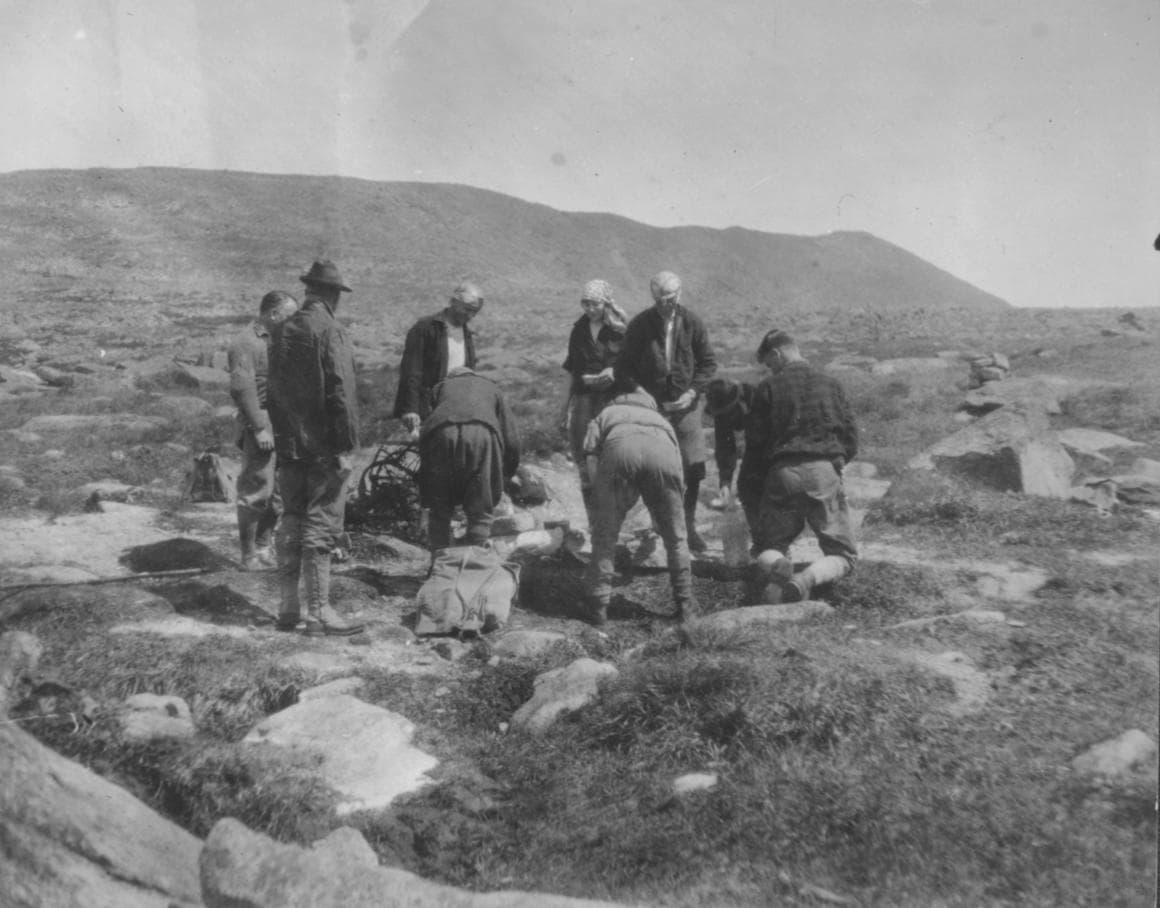
Explorers like Henry David Thoreau wrote about Katahdin in the 1800s. Thoreau’s journey to the mountain is famous—his journal describes the landscape and the people he met.
In his writings, Thoreau mentions the Penobscot and their stories about Katahdin. He recorded the name as he heard it and respected its meaning.
Archaeological Findings
Archaeologists have found signs of Penobscot camps near Katahdin. Tools, pottery, and fire pits show that the tribe used the area for hunting and gathering.
These findings support the idea that the Penobscot named the mountain and used it as a base for their activities.
Oral Traditions
The Penobscot have passed down stories about Katahdin for generations. These oral histories are a rich source of information. Elders teach the young about the mountain’s spirits, dangers, and importance.
Oral traditions often confirm what maps and journals say. The name “Katahdin” appears in both, showing the tribe’s connection to the mountain.
The Modern Significance Of Katahdin’s Name
Today, Katahdin’s name is known across Maine and the United States. But its meaning is still important, especially to the Penobscot.
Recognition And Respect
Many people now recognize Katahdin’s native roots. The Penobscot Nation works to protect their culture and the mountain’s legacy.
Baxter State Park includes information about Katahdin’s history and the Penobscot’s role. Visitors can learn about the tribe’s traditions and stories.
Challenges And Controversies
Sometimes, native place names are lost or changed. Colonization and settlement often erased native languages and stories.
The Penobscot and other tribes work to restore their names and histories. Katahdin is a success—its name has survived and is respected.
Educational Efforts
Schools and museums teach about Katahdin’s native origins. The Penobscot share their stories at festivals, events, and in classrooms.
These efforts help people understand the mountain’s meaning and the tribe’s history. Education is key to preserving traditions.
Data: Visitor Numbers And Cultural Events
Katahdin attracts many visitors each year. The mountain’s fame is growing, along with interest in its native roots.
Here’s a data table showing recent visitor numbers and cultural events:
| Year | Baxter State Park Visitors | Penobscot Cultural Events |
|---|---|---|
| 2018 | 78,000 | 4 |
| 2019 | 82,500 | 5 |
| 2020 | 60,000 | 2 |
| 2021 | 85,000 | 6 |
| 2022 | 89,000 | 7 |
The data shows growing interest in both recreation and culture. More people visit the mountain, and more events celebrate Penobscot traditions.
Language Preservation And The Name’s Survival
Native languages are often endangered. The Penobscot language, like many others, faces challenges. But efforts to preserve the name “Katahdin” are ongoing.
Language Revitalization
The Penobscot Nation offers classes in their language. Elders teach children to speak and understand Penobscot words. This helps keep the language alive.
“Katahdin” is a word that remains central. Teaching its meaning and pronunciation connects young people to their heritage.
Partnerships And Advocacy
Universities, museums, and parks work with the Penobscot to support language preservation. Signs, brochures, and educational materials use native names.
Advocacy groups push for recognition of Penobscot words and stories. These partnerships help protect the mountain’s legacy.
Challenges To Language Survival
Native languages were banned or discouraged for many years. The Penobscot faced pressure to speak English and abandon their culture.
Today, language revitalization is difficult but important. Katahdin’s name is a symbol of success—it shows that native words can survive and thrive.
Comparing Katahdin’s Importance In Different Groups
Katahdin is important to many groups: the Penobscot, hikers, conservationists, and Maine residents. Each group sees the mountain differently.
Here’s a comparison table:
| Group | Katahdin’s Importance | Key Activities |
|---|---|---|
| Penobscot | Spiritual, cultural, historic | Ceremonies, storytelling, education |
| Hikers | Adventure, challenge, nature | Hiking, climbing, camping |
| Conservationists | Protection, research, ecology | Wildlife studies, habitat preservation |
| Maine Residents | Identity, pride, tourism | Local events, tourism, state symbols |
This comparison shows how Katahdin’s meaning changes, but its importance is universal. The mountain brings people together, even as they value it for different reasons.
Common Misunderstandings About Katahdin’s Name
Many people think “Katahdin” is simply a name on a map. But there are misunderstandings about its origin and meaning.
Misconception 1: It’s An English Name
Some believe “Katahdin” is an English or made-up word. In fact, it is a Penobscot term, with clear roots in their language.
Misconception 2: It Means “mountain”
While “Katahdin” does refer to a mountain, its meaning is more specific. It signals the mountain’s greatness and importance—not just any peak.
Misconception 3: The Penobscot No Longer Use The Name
The Penobscot still use “Katahdin” in their language and culture. The name is part of ceremonies, stories, and daily life.
Non-obvious Insights
- The Penobscot did not climb Katahdin’s summit often. They respected Pamola, the spirit, and avoided disturbing the peak. This is different from modern hikers, who seek the summit.
- The spelling “Katahdin” was shaped by European ears. The original Penobscot pronunciation may have sounded different, but the spelling has become standard.
The Broader Impact Of Native Names
Native names like “Katahdin” carry history, meaning, and identity. They remind us of the land’s original people and their stories.
Why Native Names Matter
Using native names honors the tribes who shaped the landscape. It helps preserve languages and traditions. It also teaches respect for history and diversity.
Examples Of Renaming
Some places are returning to their original names. In Alaska, “Mount McKinley” was officially renamed “Denali. ” Similar efforts are happening across the US.
Katahdin’s Role
Katahdin is a model for respecting native names. Its Penobscot origin is recognized, and its meaning is taught. This helps keep the tribe’s history alive.
Credit: www.outdoors.org
Practical Ways To Learn More About Katahdin And The Penobscot
If you want to learn more about Katahdin’s name and the Penobscot, there are many ways to do so.
- Visit Baxter State Park. The park offers information about the mountain’s history and native roots.
- Attend Penobscot cultural events. Festivals and ceremonies often include stories and teachings about Katahdin.
- Read works by Henry David Thoreau. His journals describe the mountain and its importance.
- Explore museums in Maine. Many display artifacts and information about the Penobscot and Katahdin.
- Support language revitalization. Donations and volunteering help keep the Penobscot language alive.
These actions show respect for the mountain and its original people.
Frequently Asked Questions
What Tribe Named Mount Katahdin?
Mount Katahdin was named by the Penobscot tribe, part of the larger Abenaki group. They lived along the Penobscot River in Maine and considered the mountain sacred.
What Does The Name “katahdin” Mean?
The name “Katahdin” comes from the Penobscot language and means “Greatest Mountain” or “The Great Mountain.” It marks the peak as the most important in the region.
Are There Any Penobscot Legends About Katahdin?
Yes. Penobscot legends feature Pamola, a spirit who lives on Katahdin’s summit. Pamola controls weather and punishes those who disrespect the mountain.
Is Katahdin’s Name Used Today By The Penobscot?
Yes, the Penobscot still use the name “Katahdin” in their language and culture. It appears in stories, ceremonies, and educational materials.
Where Can I Learn More About Katahdin’s Native History?
You can visit Baxter State Park, attend Penobscot events, explore Maine museums, and read historical sources like Thoreau’s journals. The Penobscot Nation and Wikipedia also offer information.
Mount Katahdin is more than a mountain—it is a symbol of culture, history, and identity. Its name, given by the Penobscot tribe, reminds us to respect the land and the people who first named it. By learning about Katahdin’s origins, we honor tradition and build a deeper connection to Maine’s wild heart.