
Have you ever wondered who invented washers? These small, simple discs play a big role in keeping things tight and secure in your home.
Whether it’s in your plumbing, appliances, or furniture, washers help prevent leaks and keep parts from loosening over time. Understanding where washers come from can give you a new appreciation for these everyday heroes. Keep reading, and you’ll discover the surprising story behind the invention of washers and how they became an essential part of your daily life.

Credit: en.wikipedia.org
Origins Of The Washer
The washer is a small but important part in many machines and tools. It helps hold nuts and bolts tightly in place. The invention of the washer goes back many years. Its history links closely to the development of fastening methods. Understanding the origins of the washer gives insight into early engineering and design.
Washers started as simple rings made from metal or other materials. They made sure that bolts did not damage surfaces or come loose. Over time, washers became more common in many industries. Their design evolved to meet new needs and uses.
Early Uses Of Washers
Early washers appeared in ancient times. People used metal or leather rings to protect surfaces. These rings prevented nuts and bolts from slipping. Builders and craftsmen used washers in construction and furniture making. The simple idea of a washer improved the strength of fastened joints. It saved materials from damage and reduced wear and tear.
Evolution Of Fastening Technology
Fastening technology changed as machines became more complex. Washers evolved to handle higher pressure and vibration. Engineers designed different types of washers for specific jobs. Some washers spread the load, while others locked parts in place. The invention of spring washers and lock washers added new functions. This evolution made machines safer and more reliable.
Key Inventors Behind Washers
The invention of washers involved several key inventors. These pioneers shaped the machines we use today. Their efforts improved how people do laundry. Early inventors focused on making washing easier and faster. They created ideas that turned into modern washers.
Notable Pioneers
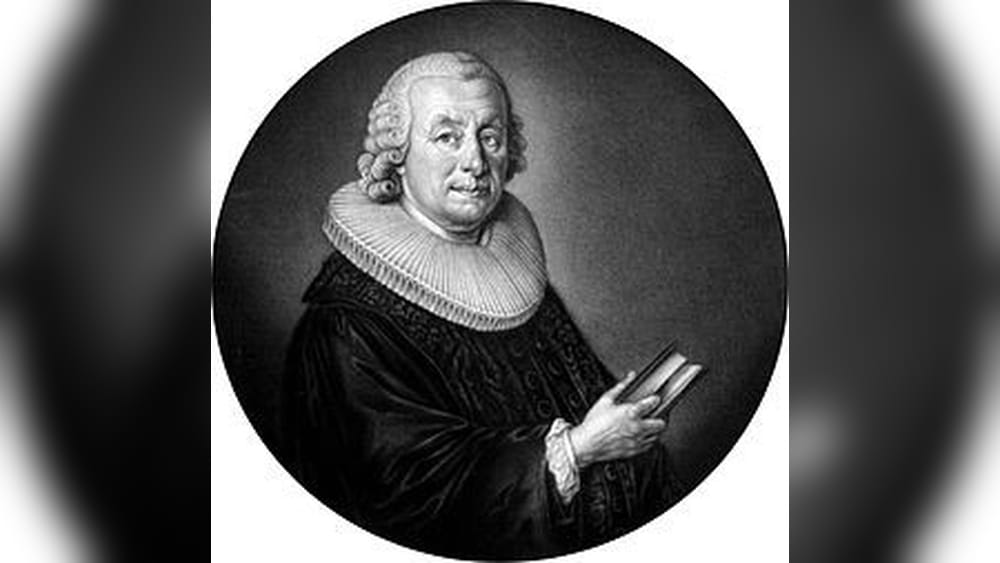
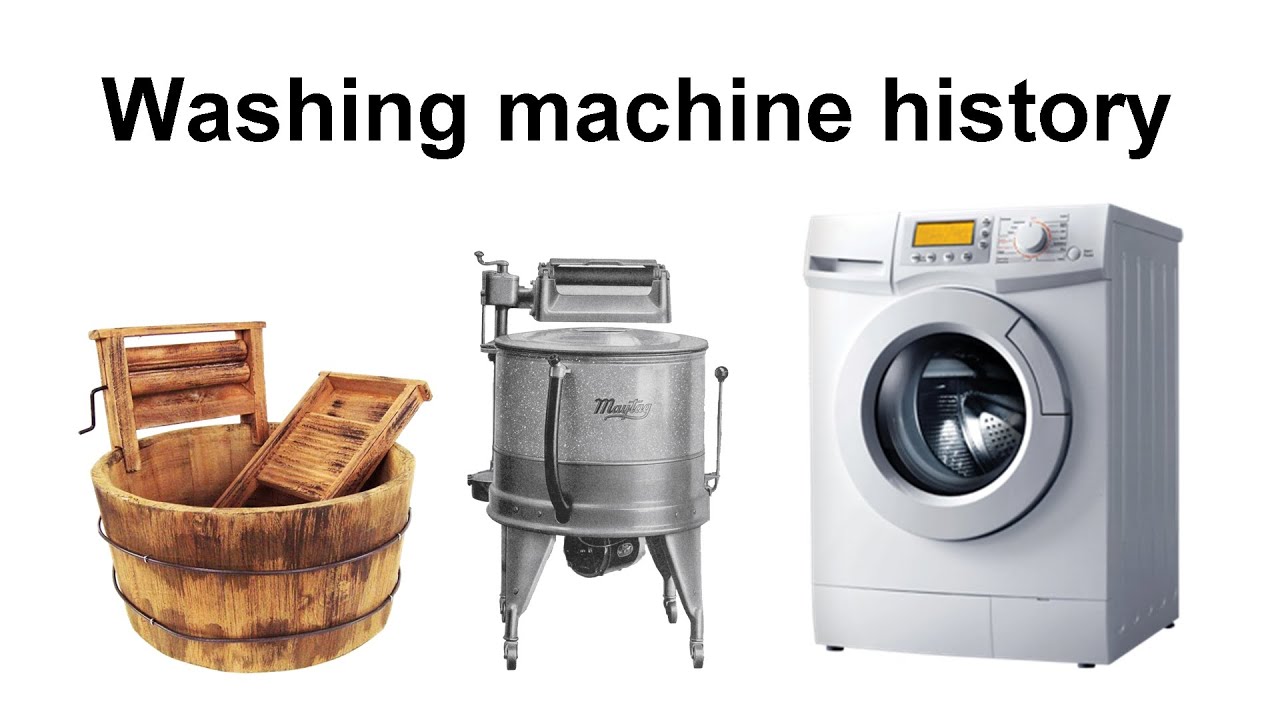
Jacob Christian Schäffer is one of the first known inventors. In 1767, he designed a simple washing device. His idea helped reduce the hard labor of washing clothes. Later, James King in 1851 created the first drum-based washing machine. This design used a drum to clean clothes better. Alva J. Fisher patented the first electric washer in 1910. His design used an electric motor to automate washing. These inventors laid the groundwork for future washers.
Patents And Innovations
Patents protected new washing machine ideas and designs. Early patents focused on manual and mechanical washers. For example, in 1858, Hamilton Smith patented a rotary washing machine. This machine used a hand crank to move clothes. Later, electric-powered washers gained patents for motor designs. In 1910, Fisher’s patent introduced electric automation. Over time, patents included water flow control and spin cycles. These innovations made washers more effective and user-friendly.
Impact On Industry And Daily Life
The invention of washers has had a strong impact on both industry and daily life. These small, simple parts play a big role in making machines and devices work better and last longer.
Washers help to hold parts tightly together. They stop nuts and bolts from loosening. This keeps machines safe and reliable. The use of washers has improved many tools and machines we use every day.
Industrial Applications
Industries use washers in many ways. They help keep heavy machines stable. Washers spread the pressure from bolts, stopping damage to parts. This saves money on repairs and replacements.
Factories depend on washers to keep equipment running smoothly. They reduce wear and tear on machines. Washers also help prevent leaks in pipes and engines. This improves safety and efficiency in the workplace.
Household Uses
Washers are common in homes too. They keep furniture, appliances, and plumbing secure. Without washers, screws and bolts would loosen quickly. This could cause damage or accidents.
Simple tasks like fixing a door handle or a faucet often need washers. They make these repairs last longer. Washers help keep everyday items working well and safe for families.
Types And Designs Over Time
Washers have evolved greatly since their invention. Their types and designs changed to meet different needs. Each change brought improvements in strength, durability, and function. Understanding these variations reveals how washers became essential in construction and machinery.
Material Variations
Washers come in many materials. Early washers were made from soft metals like copper and brass. These materials resisted corrosion but wore out fast. Steel became popular for its strength and durability. Stainless steel added rust resistance for outdoor use. Plastic washers appeared later for insulation and lightweight needs. Rubber washers provide cushioning and seal liquids. Each material serves a unique purpose in various applications.
Functional Differences
Washers differ in function to solve specific problems. Flat washers spread load evenly to prevent damage. Lock washers stop nuts from loosening due to vibration. Spring washers add tension to maintain tightness. Fender washers have large outer diameters to cover bigger holes. Sealing washers stop leaks in plumbing and engines. These functional designs improve safety and performance in many projects.
Future Trends In Washer Technology
The future of washers is bright and full of innovation. New technologies aim to make washing easier, faster, and better for the environment. These changes will help save water, energy, and time. Technology will also improve how washers care for different fabrics. Let’s explore some key trends shaping the next generation of washers.
Advanced Materials
New materials will make washers stronger and lighter. These materials resist rust and wear better than before. They reduce noise and vibration during the wash cycle. Some washers may use parts made from special plastics or metals. These materials improve durability and energy efficiency. They also help machines last longer without breaking down.
Smart And Sustainable Designs
Smart washers will use sensors to adjust water and detergent automatically. This saves resources and protects clothes. Many models will connect to smartphones for easy control. Users can start or stop the wash from anywhere. Sustainable designs focus on reducing waste and energy use. Washers will recycle water and use eco-friendly detergents. These features support a cleaner planet and lower utility bills.
Credit: www.youtube.com

Credit: www.youtube.com
Frequently Asked Questions
Who Invented The First Washing Machine?
The first washing machine was invented by Jacob Christian Schäffer in 1767. His design used a hand-powered drum to clean clothes, marking the beginning of modern laundry technology.
When Was The Washing Machine Invented?
The washing machine was invented in the mid-18th century, around 1767. It evolved from manual hand-washing methods to automated machines over time.
How Did Early Washing Machines Work?
Early washing machines used hand-cranked or foot-powered drums. Clothes were agitated inside to remove dirt, simplifying the manual scrubbing process.
Who Developed The Modern Electric Washing Machine?
Alva J. Fisher is credited with inventing the first electric washing machine in 1908. His design significantly improved laundry efficiency.
Conclusion
Washers have a long history with many inventors involved. They help machines work better and last longer. Simple yet important parts, washers keep things tight and prevent damage. Understanding who invented washers shows how small ideas shape big tools. These small discs make a big difference in daily life.
Next time you see a washer, remember its useful role. It’s a small invention with a lasting impact.