
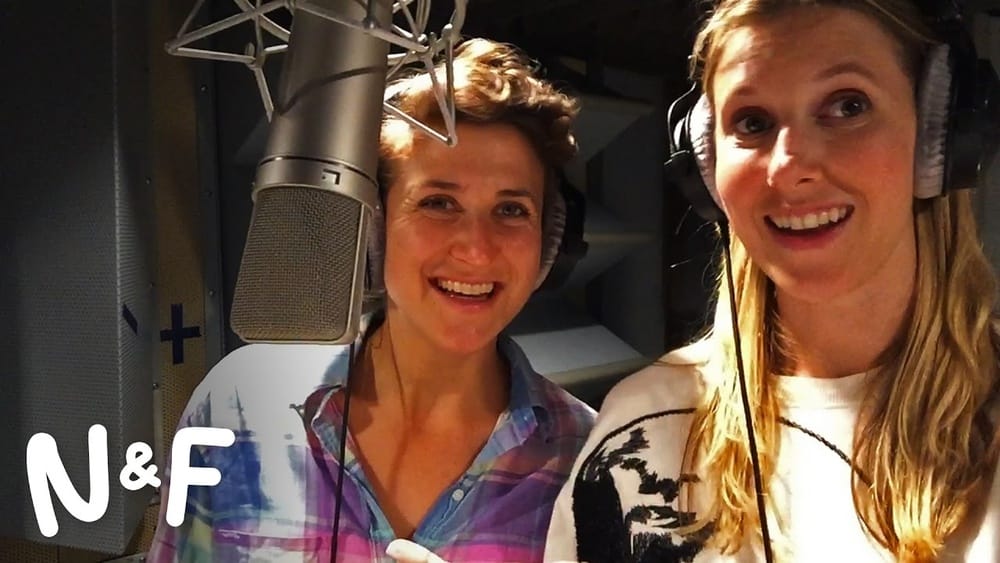
Who Is The Voice Of Google Assistant
When you ask your phone, “What’s the weather today?” or tell your smart speaker, “Play some music,” you’re interacting with one of the most recognized digital voices in the world: Google Assistant. For millions of people, this voice is a friendly helper in daily life—answering questions, setting reminders, and even telling jokes. But have you ever wondered: Who is the real person behind the voice of Google Assistant? Is it a real human, artificial intelligence, or a mix of both? The answer is fascinating and reveals much about the way technology and human creativity work together.
This article explores the story of Google Assistant’s voice, how it was chosen, how it works, and why it matters. We’ll look at the people involved, the technology behind the scenes, and some surprising facts you probably didn’t know. Whether you’re curious about voice technology or just want to know whose voice you’re hearing every day, you’ll find the answers here.
The Origin Of Google Assistant’s Voice
When Google launched Google Assistant in 2016, it aimed to create a voice that was clear, friendly, and easy to understand. Unlike robotic voices of the past, Google wanted its assistant to sound natural—almost like talking to a real person.
Early Experiments With Voice
Before Google Assistant, voice technology was quite basic. Early versions, like the ones used in GPS devices or voice menus, sounded flat and mechanical. Google realized that people wanted something more human. So, the company invested heavily in text-to-speech (TTS) technology, combining artificial intelligence with actual human recordings.
The Search For The Right Voice
Choosing the voice for Google Assistant was not simple. The team wanted a voice that was:
- Friendly but not too casual
- Clear in different accents and languages
- Gender-neutral, so everyone would feel comfortable
To achieve this, Google recorded hours of speech from different voice actors. These recordings were used to train the AI, helping it to understand tone, pitch, and emotion.
The Real Human Behind The Original Voice
For years, the real person behind Google Assistant’s main (original) voice was a mystery. Unlike Apple’s Siri, whose original voice actor (Susan Bennett) revealed herself, Google kept its voice actor’s identity secret for a long time. However, in 2018, it was revealed that Antonia Flynn, a professional voice actress, provided the base for the original US English voice of Google Assistant.
Antonia Flynn was chosen after a long audition process. She recorded thousands of lines, which were then used as the foundation for Google’s advanced voice synthesis. Her voice was picked for its warmth, clarity, and ability to sound both professional and approachable.
How Google Creates Assistant Voices
While Antonia Flynn provided the core, the process of creating Google Assistant’s voice is much more complex than recording a few sentences.
The Role Of Voice Actors
Voice actors are at the heart of every digital assistant. They spend hours in recording studios, reading carefully selected scripts. These scripts include not just common phrases, but also unusual words, tongue twisters, and emotional expressions. The goal is to capture a wide range of sounds and feelings.
Machine Learning And Speech Synthesis
Once the recordings are complete, Google uses machine learning to analyze the voice. The AI looks for patterns in the way the actor pronounces words, emphasizes syllables, and expresses emotion. Then, the system “learns” how to create new sentences in the same voice—even ones the actor never recorded.
This process is called concatenative speech synthesis. For even more natural speech, Google has recently moved to neural network-based speech synthesis (like WaveNet), which can create highly realistic voices with less data.
Adapting To Different Languages And Regions
Google Assistant is available in more than 30 languages and used in over 90 countries. Creating voices for all these regions is a huge challenge. Google uses local voice actors, adapts voices for regional accents, and sometimes even offers multiple voices in the same language.
Multiple Voices: Diversity And Choice
In the beginning, Google Assistant had just one main voice. But as technology improved and users asked for more options, Google began to offer different voices, including male and female options, and even celebrity voices.
How Many Voices Does Google Assistant Have?
Today, Google Assistant offers several voices in many languages. In the US, there are at least 11 different voices to choose from, including both male and female versions. Some voices are even given color names, like “Red” or “Orange,” so users don’t focus on gender.
Here’s a comparison of some of the main US English voices:
| Voice Name | Type | Introduced | Notable Feature |
|---|---|---|---|
| Red | Female | 2016 | Original, default voice |
| Orange | Male | 2018 | First male voice option |
| Cyan | Female | 2019 | More expressive |
| Green | Male | 2019 | Deeper tone |
| Celebrity Voices | Various | 2019 | Famous personalities |
Celebrity Voices
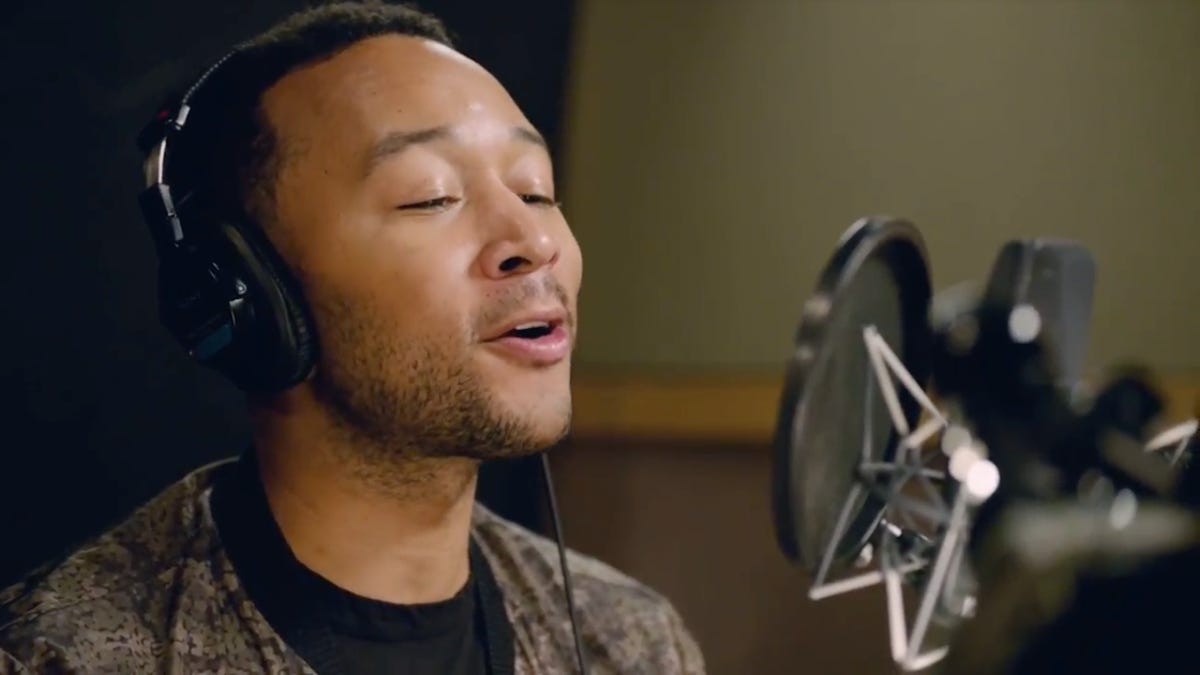
In 2019, Google introduced a celebrity voice option, starting with singer and producer John Legend. For a limited time, users could hear John Legend answer certain questions in his own voice. Google did this by having Legend record special phrases, then using AI to blend his voice with Google Assistant’s standard speech synthesis.
How To Change The Voice
To change the voice of your Google Assistant:
- Open the Google Home app or Assistant settings.
- Find the Assistant voice section.
- Listen to the samples and pick your favorite.
Some features or voices might not be available in all countries or languages.
Why Does The Voice Of Google Assistant Matter?
The choice of voice is not just a technical detail. It can affect how people feel about using technology.
Building Trust And Comfort
A voice that is clear and friendly encourages people to use the assistant more often. If the voice sounds too robotic or cold, users might feel uncomfortable or avoid using it for important tasks. Studies show that people respond better to voices that match their own accent or dialect, which is why Google invests in localizing voices.
Accessibility
For people with visual impairments, the voice is their main way of interacting with devices. A good assistant voice can make technology more inclusive, helping more people take part in the digital world.
Branding
The voice of Google Assistant is also part of Google’s brand identity. It needs to reflect the company’s values: helpful, friendly, and smart. A recognizable voice can become a symbol, just like a logo or a sound.
The Technology Behind The Voice
Google Assistant’s voice is much more than a simple recording. It’s a complex system that combines human recordings, artificial intelligence, and advanced sound processing.
Speech Synthesis Evolution
Early digital voices used a method called concatenative synthesis, which cut and joined recordings of words or syllables. This method was limited and often sounded unnatural. Modern assistants, including Google’s, use deep learning and neural networks.
One of the biggest advances came with WaveNet, a system developed by Google’s DeepMind team. WaveNet can produce speech that is almost impossible to tell apart from a real human voice.
Here’s a quick comparison:
| Method | Quality | Pros | Cons |
|---|---|---|---|
| Concatenative | Robotic | Simple, fast | Limited, unnatural |
| WaveNet | Natural | Expressive, flexible | Requires more data |
Real-time Processing
When you ask Google Assistant a question, your words are sent to Google’s servers, where they are analyzed in milliseconds. The response is then created in the chosen voice and sent back to your device. This all happens so fast that it feels like a real-time conversation.
Personalization
Google is also experimenting with personalized voices that can adjust to your preferences. In the future, you might be able to choose a voice that matches your mood or even create your own assistant voice.
The People Behind The Voices
While technology plays a big role, the real people who give life to these voices are often overlooked.
Meet Antonia Flynn
As mentioned earlier, Antonia Flynn is the original US English voice of Google Assistant. Flynn is a professional voice artist with experience in TV, radio, and commercials. She brought a balance of friendliness and authority, which became the foundation for Google Assistant’s personality.
Local Voice Actors
Google works with dozens of other voice actors worldwide. Each language or region gets its own voice, chosen for clarity and local appeal. These actors usually sign strict contracts, and their identities are often kept secret.
Technical Teams
Behind every voice is a team of engineers, linguists, and sound designers. They make sure the voice works on different devices, in noisy environments, and for people of all ages.
Surprising Facts About Google Assistant’s Voice
Many people think the assistant is just a robot, but there’s much more to the story.
- It takes months to create a new voice. Recording, editing, and training the AI is a long process.
- Google tests voices with real users. Before launching a new voice, Google lets people listen and give feedback.
- You can talk to Google Assistant in two languages at once. The assistant can switch voices and accents depending on the language.
- Google changes voices for special events. Sometimes, Google Assistant uses a special voice for holidays or limited events.
- Some voices are exclusive to certain devices. Newer devices may get advanced voices before older ones.
How Google Maintains And Updates Voices
Technology is always changing, and so are the voices of Google Assistant.
Regular Updates
Google regularly updates its assistant voices. Sometimes the changes are small, like improving pronunciation. Other times, new voices are added, or existing ones are improved using better AI models.
User Feedback
Google pays close attention to user feedback. If people say a voice sounds strange or mispronounces words, the team works to fix it.
Adapting To New Devices
With new products like smart displays and car systems, Google adapts voices to sound best on each device. The company even tests how voices sound in different rooms or with background noise.
Credit: www.cnet.com
The Global Reach Of Google Assistant’s Voice
Google Assistant is not just for the US or English speakers. It’s a global product used by millions.
Available Languages
Google Assistant supports over 30 languages, including Spanish, Hindi, Japanese, and more. Each language gets its own tailored voice.
Cultural Sensitivity
The voice is adapted not just for language, but also for cultural differences. For example, the assistant might use formal language in some countries and casual speech in others.
Accessibility Across Devices
Google Assistant’s voice is available on:
- Smartphones (Android and iPhone)
- Smart speakers (Google Nest, Home)
- Smart displays
- TVs
- Cars (Android Auto)
- Wearables
Wherever you hear it, the goal is the same: a friendly, helpful companion.
How Google Assistant’s Voice Compares To Other Digital Assistants
Google Assistant is not the only digital helper. Others include Apple’s Siri, Amazon’s Alexa, and Microsoft’s Cortana (now mostly retired). Here’s how Google’s voice stands out.
Comparison With Siri And Alexa
| Assistant | Original Voice Actor | Voice Quality | Number of Voices | Languages Supported |
|---|---|---|---|---|
| Google Assistant | Antonia Flynn | Natural, expressive | 11+ (US) | 30+ |
| Apple Siri | Susan Bennett (US, original) | Natural, slightly robotic | 5+ (US) | 20+ |
| Amazon Alexa | Polly (AI-based) | Friendly, clear | 8+ (US) | 15+ |
What Makes Google Assistant’s Voice Unique
- Expressiveness: Thanks to WaveNet, Google’s voices can show more emotion and subtlety.
- Fast Updates: Google pushes regular improvements, keeping the voice fresh.
- Multilingual: Google Assistant can handle two languages at once, a rare feature.
Common Myths About The Voice Of Google Assistant
With so much mystery, it’s no surprise that some myths have grown around Google Assistant’s voice.
Myth 1: It’s All Ai, No Humans Involved
While AI plays a big part, every voice starts with a real human. The technology simply builds on their recordings.
Myth 2: The Voice Is The Same Everywhere
Google Assistant’s voice changes depending on your language, region, and even device. You might hear a different voice in India than in the US.
Myth 3: You Can Easily Make Your Own Voice For Google Assistant
While Google is working on more personalized options, creating a custom assistant voice is still a complex process that requires special access and technology.
Myth 4: The Voice Never Changes
Google updates its voices regularly, sometimes quietly. You might notice small changes in pronunciation, speed, or tone.
Myth 5: The Celebrity Voice Replaces The Main Voice
Celebrity voices like John Legend only answer specific questions. The main Google Assistant voice still handles most tasks.
Privacy And Ethical Considerations
Some people worry about their privacy when using voice assistants. Does Google Assistant’s voice pose a risk?
How Voice Data Is Used
When you speak to Google Assistant, your voice is sent to Google’s servers for processing. Google says it uses this data to improve accuracy and personalize responses. Users can review and delete their voice data if they want.
Protecting Your Information
Google offers privacy controls, like the option to mute the microphone or delete your voice history. It’s important to understand these features to protect your privacy.
Ethical Use Of Voice Data
Google follows strict rules about how it uses voice data. The company does not share your recordings with third parties without permission. Still, it’s wise to check your privacy settings regularly.

Credit: www.refinery29.com
Future Of Google Assistant’s Voice
Voice Technology Is Evolving Quickly. What’s Next For Google Assistant?
More Personalization
In the future, you may be able to fully customize your assistant’s voice—choosing pitch, speed, and even accent.
Emotion Recognition
Google is working on voices that can recognize your mood and respond with empathy. For example, if you sound upset, the assistant might answer more gently.
Voice Cloning
With advances in AI, it may become possible to clone your own voice for use with Google Assistant. This could help people who lose their ability to speak, but also raises ethical questions.
Integration With More Devices
As smart devices become more common, Google Assistant’s voice will be everywhere—from your car to your fridge.
Non-obvious Insights About Google Assistant’s Voice
Many people focus on the technology, but there are hidden details that matter.
- Voice actors must sign non-disclosure agreements. This means they can’t always claim credit for the voice, even if millions hear it every day.
- Regional slang and humor are carefully tested. Google avoids jokes or phrases that might not translate well across cultures. This keeps the assistant friendly and safe for everyone.
Understanding these details helps explain why the voice of Google Assistant feels so natural and relatable, no matter where you are.

Credit: docs.control4.com
Frequently Asked Questions
Who Is The Original Voice Of Google Assistant?
The original US English voice of Google Assistant is Antonia Flynn, a professional voice actress. Her recordings were used as the base for the assistant’s natural tone and personality. Other languages and regions have their own voice actors.
Can I Change The Voice Of My Google Assistant?
Yes, you can change the voice of Google Assistant. Go to your device’s Assistant voice settings and choose from several options, including male, female, and sometimes celebrity voices. Choices depend on your language and region.
Does Google Assistant’s Voice Use Artificial Intelligence?
Yes, Google Assistant’s voice is a combination of human recordings and advanced artificial intelligence. The AI uses these recordings to generate natural-sounding speech, even for words or sentences the actor never said.
Is My Privacy At Risk When Using Google Assistant’s Voice?
Google says it protects user privacy by processing voice data securely. You can review and delete your recordings in your account settings. Always check privacy options and mute the microphone if you are concerned.
How Does Google Assistant’s Voice Compare To Siri And Alexa?
Google Assistant’s voice is often considered more expressive and natural thanks to advanced AI like WaveNet. It supports more languages and offers more voices in some regions. However, Siri and Alexa also provide unique features and voices.
For a deeper look at the technology behind Google Assistant’s voice, see the Wikipedia page on Google Assistant.
The voice of Google Assistant is more than a helpful sound—it’s a blend of human talent and advanced technology, designed to make life easier. Now, the next time you say “Hey Google,” you’ll know there’s a real person, advanced AI, and a whole team working behind that familiar voice.