
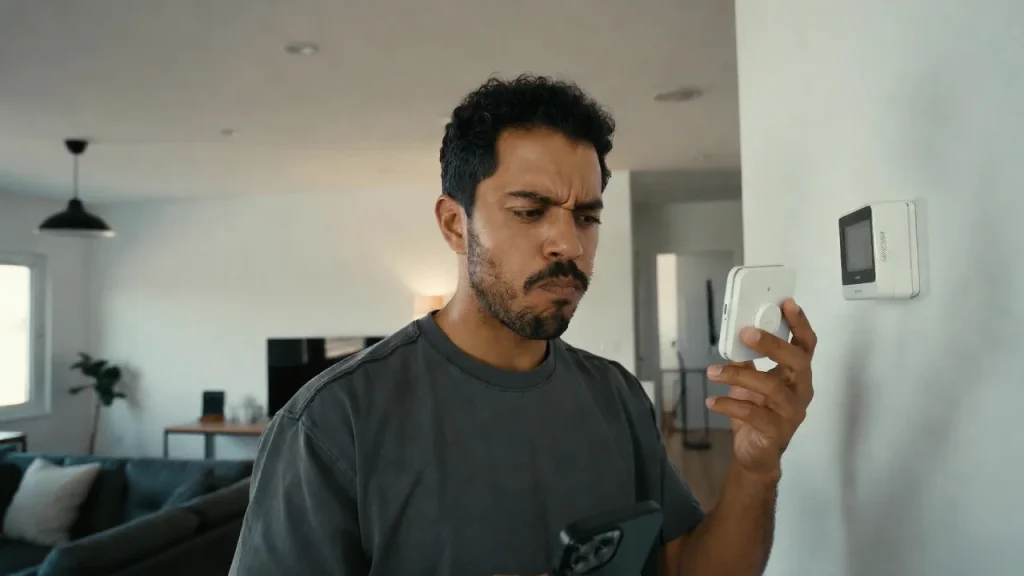
Have you ever thought about getting a smart thermostat but felt unsure? You’re not alone.
Many people find smart thermostats confusing, frustrating, or just not worth the hype. Maybe you worry about complicated setup, privacy issues, or whether it will really save you money. You’ll discover the real reasons why some people don’t like smart thermostats—and what that means for you before making a decision.
Keep reading to learn if a smart thermostat is truly the right fit for your home.
Common Complaints
Smart thermostats promise comfort and savings. Yet many users face issues that affect their experience. These common complaints reveal why some people don’t like smart thermostats.
Complex Setup Process
Setting up a smart thermostat can be confusing. The instructions are often hard to follow. Many users struggle with wiring and connecting to Wi-Fi. This complexity can discourage those who are not tech-savvy. A difficult start means many never fully enjoy the device.
Unreliable Connectivity
Smart thermostats rely on a steady internet connection. Interruptions cause the device to lose control. Users report frequent disconnections and delays. This unreliable connectivity frustrates people who expect smooth operation. Without a strong network, smart features become useless.
Inconsistent Temperature Control
Some smart thermostats do not keep the temperature steady. Users notice sudden changes or slow responses. This inconsistency reduces comfort and trust in the device. When heating or cooling does not work well, it defeats the purpose of a smart thermostat.
Privacy Concerns
Privacy concerns are a major reason some people avoid smart thermostats. These devices gather a lot of personal information about your daily habits. This can make users feel uneasy and worried about how their data is handled. Understanding these worries helps explain why some stay away from smart thermostats.
Data Collection Issues
Smart thermostats collect data about your home and routine. They track when you are home and how you adjust the temperature. Some users fear this data might be shared with third parties without clear permission. There is also concern about how long companies keep this information. People want more control over what data is collected and stored.
Potential Hacking Risks
Smart thermostats connect to the internet, creating a risk of hacking. Hackers can access your device and possibly your home network. This can lead to privacy breaches or even security threats. Many worry that these devices do not have strong enough protections. The fear of someone spying or controlling the thermostat remotely keeps some people away.
Cost Factors
Cost is a major reason many avoid smart thermostats. These devices often require a big upfront payment. Beyond the price tag, extra fees can appear later. Understanding these costs helps explain why some hesitate to buy.
High Initial Investment
Smart thermostats usually cost more than regular ones. The price can be a shock to many buyers. Some models come with advanced features but higher costs. This upfront expense stops many from choosing smart options.
Hidden Expenses
Extra costs may come after purchase. Installation fees can add up, especially with complex systems. Some smart thermostats need professional setup. Software updates or subscriptions might cost money too. These hidden fees make the total cost unclear at first.
Compatibility Problems
Compatibility problems are a common reason why some people avoid smart thermostats. These devices do not always work well with every home setup. This can cause frustration and extra costs.
Smart thermostats need to connect smoothly with other devices and systems. When they don’t, users face many challenges. Understanding these issues helps explain why some prefer traditional thermostats.
Limited Device Integration
Many smart thermostats only work with a few smart home brands. This limits their use in homes with different devices. People with mixed-brand gadgets often find it hard to make all devices talk to each other.
Without full integration, controlling the home environment becomes confusing. Users may need to switch between multiple apps. This reduces the convenience that smart thermostats promise.
Older Hvac System Challenges
Older heating and cooling systems often lack compatibility with smart thermostats. These systems use different wiring and controls. Smart thermostats may not fit or work correctly with them.
Some older systems need extra parts or professional help to connect. This adds to the cost and complexity. Many homeowners decide it is easier to keep their old thermostat.
User Experience Issues
User experience issues often make smart thermostats frustrating for many users. The technology aims to simplify home temperature control. Yet, some aspects create confusion and dissatisfaction instead.
Many users find the interfaces hard to use. Others face challenges getting help when problems arise. These issues reduce the appeal of smart thermostats for some people.
Confusing Interfaces
Smart thermostats often have complex screens and menus. Many users struggle to find basic settings quickly. Icons and options are not always clear or labeled well. This confusion leads to mistakes and wasted time.
Some devices require multiple steps to change simple settings. This makes everyday use harder for people who want quick control. Older adults and less tech-savvy users feel left out. The design sometimes assumes users know technical terms or features.
Poor Customer Support
Customer service for smart thermostats can be slow or unhelpful. Users report long wait times to reach support teams. Some find the answers unclear or not solving their problems. This adds stress when devices don’t work as expected.
Limited support options frustrate users further. Few companies offer live chat or quick email replies. Without good help, fixing issues becomes a big hurdle. This poor service discourages many from using smart thermostats.
Alternative Options
Some people avoid smart thermostats. They want other choices that feel simpler and more familiar. These options can fit better with their needs and habits. Understanding these alternatives helps explain why smart thermostats are not for everyone.
Traditional Thermostats
Traditional thermostats are basic and easy to use. They let you set the temperature with a simple dial or buttons. No apps or internet connection needed. Many people trust these devices because they have worked for years. They do not require updates or complex setup. Traditional thermostats give clear and direct control of your home’s temperature.
Manual Control Benefits
Manual control gives users full power over their heating and cooling. You decide when to change the temperature without automatic adjustments. This control helps avoid unexpected changes that smart thermostats may make. Manual settings can feel more reliable and straightforward. Some users prefer this hands-on approach for comfort and peace of mind.
Frequently Asked Questions
Why Do Some People Dislike Smart Thermostats?
Some people find smart thermostats complicated to use. Privacy concerns and high costs also deter users. Additionally, unreliable connectivity can frustrate homeowners. These factors contribute to the dislike for smart thermostats.
Are Smart Thermostats Difficult To Install?
Installation can be tricky for those without technical skills. Many require professional help, adding to the overall cost. Incorrect setup may lead to malfunction, causing dissatisfaction among users.
Do Smart Thermostats Raise Privacy Concerns?
Yes, smart thermostats collect personal data like usage patterns. This data can be vulnerable to hacking or misuse. Privacy-conscious users often avoid smart thermostats due to these risks.
Are Smart Thermostats Worth The Cost?
Smart thermostats are generally more expensive upfront. Savings on energy bills may take time to appear. Some users feel the cost doesn’t justify the benefits, affecting their satisfaction.
Conclusion
Many people find smart thermostats hard to use. Some worry about privacy and data safety. Others feel the cost is too high. Complicated settings can confuse users. Not everyone trusts technology in their homes. These reasons explain why smart thermostats are not for everyone.
Choosing the right thermostat depends on personal needs and comfort. Simple, easy tools still appeal to many. It’s okay to prefer what works best for you.