
Are Ring Solar Cameras Any Good?
Home security is changing fast. Many people want cameras that are easy to install, reliable, and can work without wires. Ring, a popular brand owned by Amazon, offers solar-powered security cameras that promise long-lasting protection. But are Ring solar cameras really good? Are they worth the money, and do they perform well in daily life? If you’re thinking about buying a Ring solar camera, this guide will help you make a smart choice.
Ring’s solar cameras are meant to solve a big problem: keeping your security camera powered without always charging batteries or running cables. The idea sounds great, but there are many things to know before deciding. In this article, you’ll learn how Ring solar cameras work, their strengths and weaknesses, real-life performance, and how they compare to other options. You’ll also see practical tips and facts that most buyers miss, so you can avoid common mistakes. By the end, you’ll know if Ring solar cameras are a good fit for your home.
What Are Ring Solar Cameras?
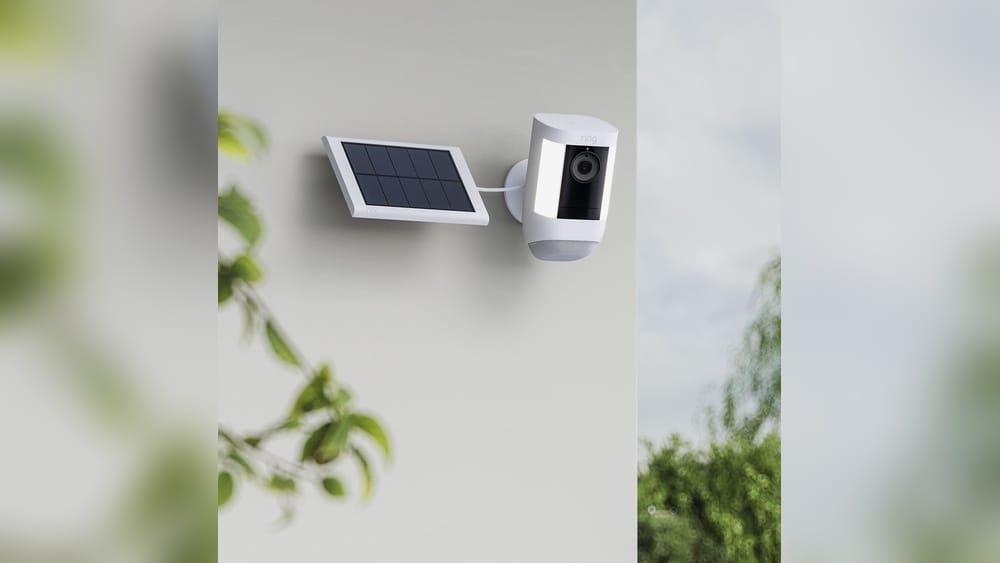
Ring solar cameras are outdoor security cameras that use a small solar panel to keep their batteries charged. This means you don’t need to plug them into a power outlet or change batteries often. Most Ring solar cameras are wireless, making installation easy and flexible.
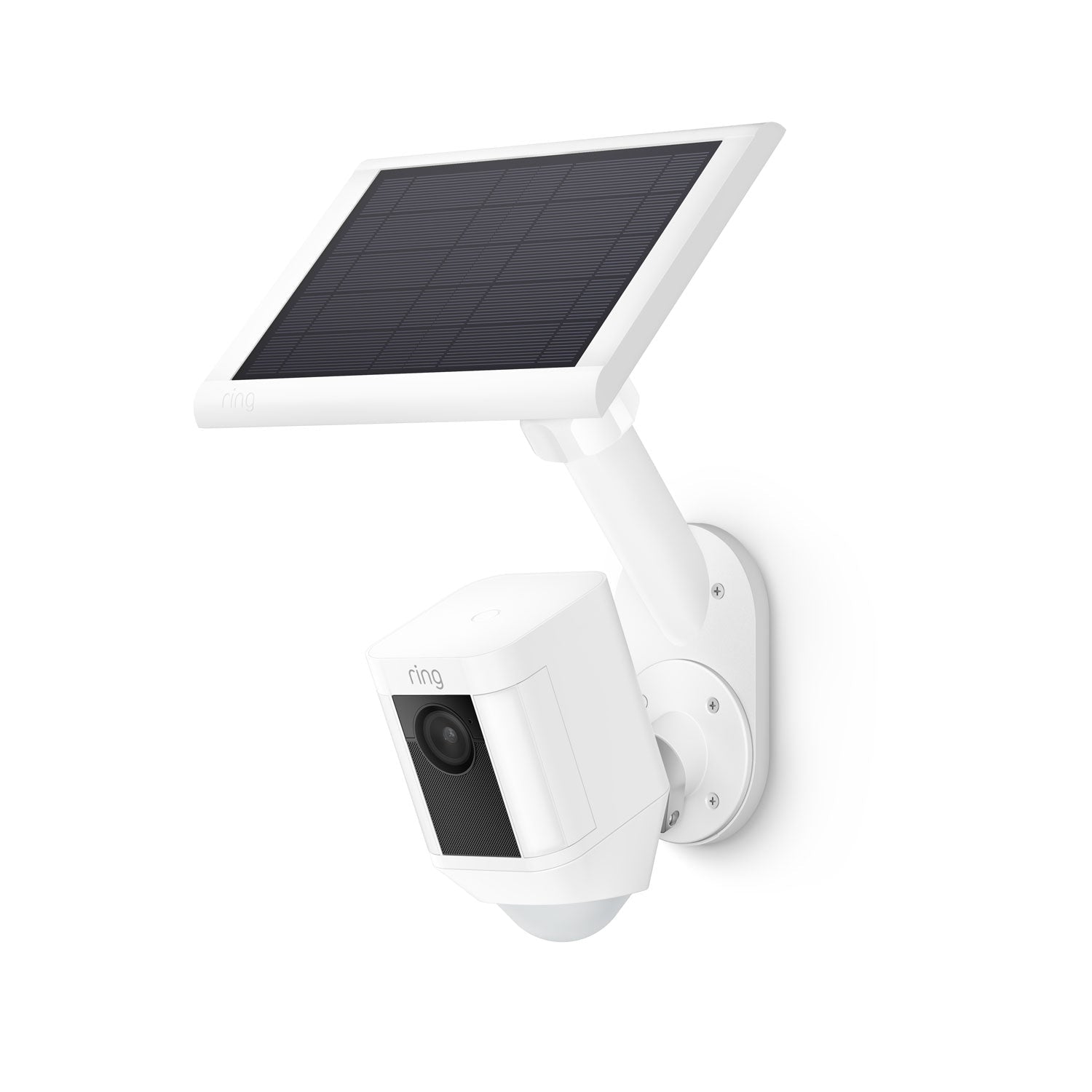
Ring offers several solar camera models, like the Ring Stick Up Cam Solar and the Ring Spotlight Cam Solar. Each camera comes with a solar panel that connects by a cable. Some users buy the solar panel separately and use it with a battery-powered Ring camera.
Features you can expect from Ring solar cameras include:
- HD video quality (usually 1080p)
- Two-way talk (you can speak and listen)
- Motion detection
- Live view (check your camera anytime)
- Night vision
- Cloud storage (with Ring Protect subscription)
- Mobile alerts (notifications on your phone)
These cameras are designed to work in most weather conditions. The solar panel is weather-resistant, and the camera housing is made for outdoor use.
How Does The Solar Power System Work?
Ring solar cameras use a solar panel to charge their internal battery. The panel is placed outside, usually on a wall or roof, where it gets sunlight. A cable connects the panel to the camera.
The solar panel collects energy from the sun. This energy charges the battery inside the camera. When the battery is full, the camera can run even at night or during cloudy days. If the battery runs low, the panel recharges it when the sun comes out.
Some important details about the solar system:
- Solar panel size: Ring’s panels are small (about 6 x 7 inches for Stick Up Cam Solar). They’re enough for most homes if placed in good sunlight.
- Charging speed: The panel charges slowly. It keeps the battery topped up but doesn’t charge fast if the battery is empty.
- Battery backup: The camera always has a battery inside. If the solar panel doesn’t get enough sunlight, the camera works until the battery runs out.
One non-obvious insight: The solar panel does not power the camera directly. It only charges the battery. If the battery is dead, the camera stops working until it is charged again.
Credit: ring.com
Key Strengths Of Ring Solar Cameras
Ring solar cameras have several advantages that make them popular among homeowners.
Easy Installation
You don’t need to run power cables or drill holes for wiring. Most Ring solar cameras are wire-free except for the solar panel cable. This makes installation fast and simple. You can place the camera almost anywhere outside your home.
Low Maintenance
With the solar panel, you don’t have to charge the battery every few weeks. As long as there is sunlight, the camera stays powered. This is especially helpful for cameras in hard-to-reach places.
Reliable Alerts And Monitoring
Ring cameras send motion alerts to your phone. You can see who is outside, speak through the camera, and even use sirens (on some models). The video quality is clear enough to see faces and details.
Flexible Placement
Since the camera is wireless, you can move it if needed. The solar panel can be placed several feet away from the camera, giving you options for the best sunlight.
Integration With Smart Home Devices
Ring cameras work with Alexa and other smart home systems. You can see live video on your Echo Show, get alerts, and control the camera with your voice.
Weaknesses And Common Problems
No product is perfect. Ring solar cameras have some drawbacks that buyers should know.
Sunlight Dependency
The solar panel needs direct sunlight to work well. If your camera is in a shaded spot, or if you live in a cloudy area, the battery may not stay charged. Some users report problems in winter or rainy months.
Battery Limitations
The battery is strong, but heavy use can drain it. If the camera records many motion events, the solar panel might not keep up. In busy locations, you may still need to charge the battery manually.
Video Storage Requires Subscription
Ring offers cloud storage for videos, but only if you pay for Ring Protect. Without a subscription, you can view live video, but you can’t save or review past events.
Limited Advanced Features
Ring solar cameras are good for basic security, but they lack advanced features found in some competitors, like continuous recording, person detection, or local storage.
Price
Ring solar cameras cost more than regular battery cameras. You pay extra for the solar panel. Over time, the value depends on how well the panel keeps the battery charged.
Real-life Performance: What Users Experience
The real test of any security camera is how it works day to day. Here are some examples and facts from real Ring solar camera owners.
Battery Life
Many users report that the battery stays charged for months if the solar panel gets enough sunlight. In sunny areas, the solar panel works well. In northern or cloudy regions, some users must charge the battery every few weeks.
One user in California said their Ring Stick Up Cam Solar never needed manual charging for over a year. Another in Seattle had to recharge the battery every 2–3 weeks in winter.
Motion Detection
Ring cameras use passive infrared sensors. They detect movement well, but sometimes false alerts happen. Cars, pets, or tree branches can trigger the camera. You can adjust motion zones to reduce unwanted alerts.
Video Quality
The cameras offer 1080p HD video, which is clear enough for most needs. Night vision is useful but not as sharp as daytime video. You can see faces and details, but license plates may be hard to read at night.
Connectivity
Ring cameras connect by Wi-Fi. If your Wi-Fi is weak outside, you may see delays or missed alerts. Some owners use Wi-Fi extenders to improve performance.
Weather Resistance
Ring solar cameras are rated for outdoor use. They can handle rain, snow, and heat. The panel and camera are sealed, but extreme weather can still affect performance. Some users in hot climates notice the camera gets warm but keeps working.
Customer Support
Ring’s support is responsive, but some users say it can be slow during busy times. Warranty is one year, and Ring replaces faulty cameras if needed.
Comparing Ring Solar Cameras With Other Brands
How do Ring solar cameras stack up against competitors like Arlo, Eufy, or Blink? Let’s look at some data.
Here’s a comparison of Ring Stick Up Cam Solar vs. Arlo Pro 4 Solar and EufyCam 2C Solar:
| Feature | Ring Stick Up Cam Solar | Arlo Pro 4 Solar | EufyCam 2C Solar |
|---|---|---|---|
| Video Resolution | 1080p | 2K | 1080p |
| Battery Life | Up to 6 months* | Up to 6 months* | Up to 6 months* |
| Solar Panel Included | Yes | No (optional) | No (optional) |
| Cloud Storage | Subscription | Subscription | No subscription needed |
| Local Storage | No | Yes (microSD) | Yes (home base) |
| Smart Home Integration | Alexa | Alexa, Google Home | Alexa, Google Home |
| Price | $179 | $200 | $150 |
*Battery life depends on sunlight and usage.
Non-obvious insight: Eufy’s cameras save video locally, so you don’t need a subscription. Ring and Arlo require cloud plans for full features.

Credit: trisummit.ca
Practical Tips For Choosing And Using Ring Solar Cameras
If you decide to buy a Ring solar camera, these tips will help you get the best results.
1. Check Sunlight Before Buying
Look at where you want to install the camera. Is there direct sunlight for most of the day? If not, the solar panel may not keep the battery charged. South-facing walls or roofs are best.
2. Install The Solar Panel Properly
Place the panel where it gets maximum sun. Avoid shade from trees, roofs, or walls. Clean the panel every few months to remove dust and leaves.
3. Adjust Motion Settings
Reduce false alerts by setting motion zones and sensitivity. This also saves battery, since the camera records less.
4. Use Wi-fi Extenders If Needed
If your camera is far from your router, consider a Wi-Fi extender. This improves video streaming and alerts.
5. Consider The Subscription Cost
Ring Protect costs about $3/month per camera or $10/month for all cameras. Without it, you can only view live video. Decide if you need cloud storage.
6. Combine With Other Ring Devices
Ring cameras work well with Ring doorbells and alarm systems. You can build a full security setup and control everything from one app.
7. Monitor Battery Levels
Check battery status in the app. If the battery drops below 20%, try moving the solar panel or cleaning it. In winter, you may need to recharge the battery manually.
Advanced Features: What’s Unique About Ring Solar Cameras?
Ring’s solar cameras don’t just offer basic monitoring. They have some special features that are useful for smart homes.
Two-way Talk
You can talk to visitors or scare away intruders using your phone and the camera’s speaker. This is helpful for deliveries or warning strangers.
Live View Anytime
Ring’s app lets you check the camera live, even if there’s no motion. This is handy for checking your yard or driveway when you hear a noise.
Alexa Integration
You can ask Alexa to show your camera feed on Echo devices. Some users set up routines, like turning on lights when motion is detected.
Privacy Zones
You can block parts of the camera view so it doesn’t record neighbors. This helps with privacy and follows local laws.
Siren (on Spotlight Cam)
Some Ring solar cameras have a built-in siren. You can trigger it from the app to scare off intruders.

Credit: ring.com
Common Mistakes When Using Ring Solar Cameras
Buyers often make mistakes that reduce performance. Here are some to avoid:
Ignoring Sunlight Needs
Many people install cameras in shady spots and expect the solar panel to work. Always check for sunlight first.
Forgetting Wi-fi Strength
A weak Wi-Fi signal leads to missed alerts and poor video. Test your signal before installation.
Not Setting Motion Zones
By default, the camera records every movement. Setting zones avoids false alarms and saves battery.
Overlooking Subscription Costs
Ring’s main features require a paid plan. Some buyers are surprised they can’t review videos without paying.
Not Cleaning The Solar Panel
Dust and dirt block sunlight. Clean the panel every few months for best charging.
Data: How Long Do Ring Solar Cameras Last?
Ring cameras are built to last for years. But how does the solar system perform over time?
- Battery lifespan: Ring’s rechargeable battery can last 500–800 charge cycles. With solar charging, you may only need to manually charge once or twice a year.
- Solar panel lifespan: The panel is rated for at least 5 years of outdoor use.
- Camera durability: Ring cameras are weather-resistant, but extreme conditions can shorten their life. Most users report 2–4 years of reliable use.
Here’s a table showing typical battery performance in different climates:
| Climate | Average Sunlight | Battery Charging Frequency | Solar Panel Effectiveness |
|---|---|---|---|
| Sunny (California, Arizona) | 8 hours/day | Rarely needs manual charge | Very effective |
| Cloudy (Seattle, UK) | 2–4 hours/day | Needs manual charge in winter | Moderate |
| Mixed (Midwest, Northeast) | 4–6 hours/day | Needs manual charge in heavy use | Good in summer, weaker in winter |
Non-obvious insight: In cloudy or shaded areas, the solar panel may only slow battery drain, not fully recharge it. For best results, combine solar with occasional manual charging.
How Safe Are Ring Solar Cameras?
Security is not just about stopping burglars. It’s also about data privacy and camera safety.
Encryption
Ring cameras use AES 128-bit encryption to protect your video streams. This is standard for most home cameras.
Privacy Controls
You can set privacy zones, disable audio, and turn off recording when needed. The app also allows you to manage who can access your camera.
Data Storage
Videos are stored in the cloud if you have a Ring Protect plan. If you cancel the plan, your past videos are deleted after a short period.
Hacking Risks
Ring cameras have had security issues in the past, but the company has improved protection. Always use strong passwords and enable two-factor authentication.
For more on Ring security, visit the official Ring support page.
Is A Ring Solar Camera Right For You?
Ring solar cameras are best for people who want easy installation, reliable alerts, and low maintenance. They’re a good choice if:
- You have places with direct sunlight
- You want wireless security
- You prefer smart home integration (Alexa)
- You don’t mind paying for cloud storage
They may not be ideal if:
- Your installation spot is shaded or cloudy
- You want local storage without a subscription
- You need advanced features like person detection
If you match the first group, Ring solar cameras can offer strong security with minimal hassle.
Frequently Asked Questions
Can Ring Solar Cameras Work Without A Subscription?
Yes, Ring solar cameras can work without a subscription. You can watch live video and get motion alerts. However, you cannot save or review past videos. To access recorded footage and advanced features, you need a Ring Protect subscription.
What Happens If There Is No Sunlight For Days?
If the solar panel gets no sunlight, the camera runs on its internal battery. If the battery runs out, the camera stops working until you recharge it manually. In cloudy or winter months, you may need to charge the battery every few weeks.
Are Ring Solar Cameras Waterproof?
Ring solar cameras are weather-resistant. They can handle rain, snow, and heat. However, they are not fully waterproof. You should not submerge them in water. Install them in a spot protected from heavy rain if possible.
How Long Do Ring Solar Camera Batteries Last?
With good sunlight and normal use, the battery can last months without manual charging. If the camera is used heavily or the solar panel gets little sun, you may need to recharge the battery every few weeks. The battery itself lasts for hundreds of cycles.
Can I Use Ring Solar Cameras Indoors?
Yes, you can use Ring solar cameras indoors, but the solar panel needs sunlight to charge the battery. For indoor use, it’s easier to use a regular battery-powered Ring camera, since indoor sunlight is often not enough for solar charging.
Ring solar cameras bring flexibility and convenience to home security. For many homeowners, they solve the problem of constant battery charging and tricky installation. If you have sunny spots and want simple, smart protection, Ring’s solar cameras are a good solution.
Just remember to check sunlight, Wi-Fi, and cloud costs before buying. With careful setup, these cameras can give you reliable security for years.